German CEO Pay Surges Amidst Wage Stagnation, Raising Market and Investor Concerns
DAX 40 CEO salaries rise 56% since 2019 while average worker wages lag behind, highlighting growing income disparity affecting economic stability.
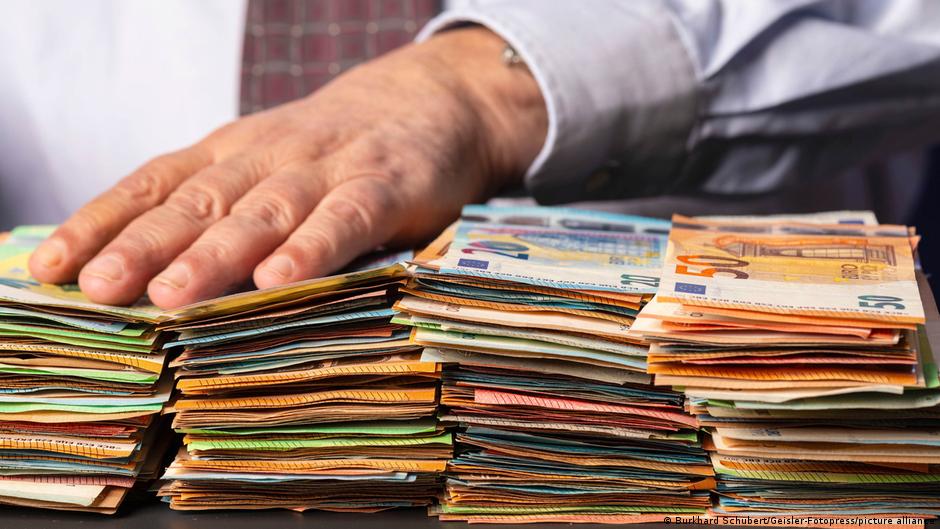
Recent analysis by Oxfam reveals a significant disparity in income growth between top executives and average workers in Germany, a trend that is increasingly impacting capital markets and investor sentiment.
CEO Compensation Soars as Worker Wages Stagnate
Since 2019, the average remuneration for 25 chief executives in Germany’s DAX 40 index has increased by a staggering 56%, climbing from approximately €4.5 million to nearly €7 million annually. This rise far outpaces inflation and contrasts sharply with the experience of ordinary employees, whose real wages remain below pre-pandemic levels.
Globally, CEO pay adjusted for inflation has surged by 54% between 2019 and 2025, from an average $5.5 million to $8.4 million. Meanwhile, workers’ real wages have declined by 12% in the same period. The disproportionate growth has led to a situation where the average employee would need to work nearly five centuries to earn what a CEO makes in a year.
"This growing inequality poses a threat to our democracy," Oxfam analysts warn, underscoring the social and economic risks of such imbalances.
For investors, these developments raise concerns about the sustainability of corporate governance and the social license to operate. Inflated executive compensation amid stagnant wages can fuel public backlash, regulatory scrutiny, and potential shifts in tax policy, all of which could impact company valuations and market dynamics.
Market Implications and Investor Impact
The widening income gap has broader implications beyond social equity. The persistent pressure on household purchasing power, exacerbated by ongoing inflation and energy price shocks, may dampen consumer spending and economic growth. This, in turn, could affect corporate earnings and stock performance, especially for consumer-focused sectors.
Meanwhile, Oxfam notes that nearly 1,000 billionaires globally collected $79 billion in dividends in 2025, pointing to a concentration of wealth and investment returns that may further distort market dynamics. The charitable organization calls for higher taxation on the ultra-wealthy and the introduction of a minimum wage of at least €15 per hour in Germany to address inequality and stabilize domestic demand.
Compounding these domestic challenges, geopolitical tensions such as the ongoing conflict in the Middle East have introduced additional risks. According to forecasts from the Munich-based ifo Institute, the war involving the US and Israel against Iran could reduce Germany’s economic growth by at least 0.2 percentage points. Disruptions to supply chains, increased transportation costs, and heightened global uncertainty are weighing on market confidence and investment decisions.
For investors, these multidimensional pressures emphasize the need for careful portfolio management, with considerations for sectors vulnerable to consumer spending shifts and geopolitical risks. Additionally, companies facing rising scrutiny over governance and compensation practices may encounter increased volatility.
In conclusion, the divergence in income growth between executives and workers in Germany highlights underlying economic and social tensions that are likely to influence capital markets going forward. Policymakers, investors, and companies must navigate these challenges to maintain stability and sustainable growth.