Uzbekistan Halts Gold Exports, Impacting Trade Balance and Market Sentiment
Gold export suspension causes a nearly 30% drop in Uzbekistan's export value, influencing trade dynamics and investor outlook in 2026.
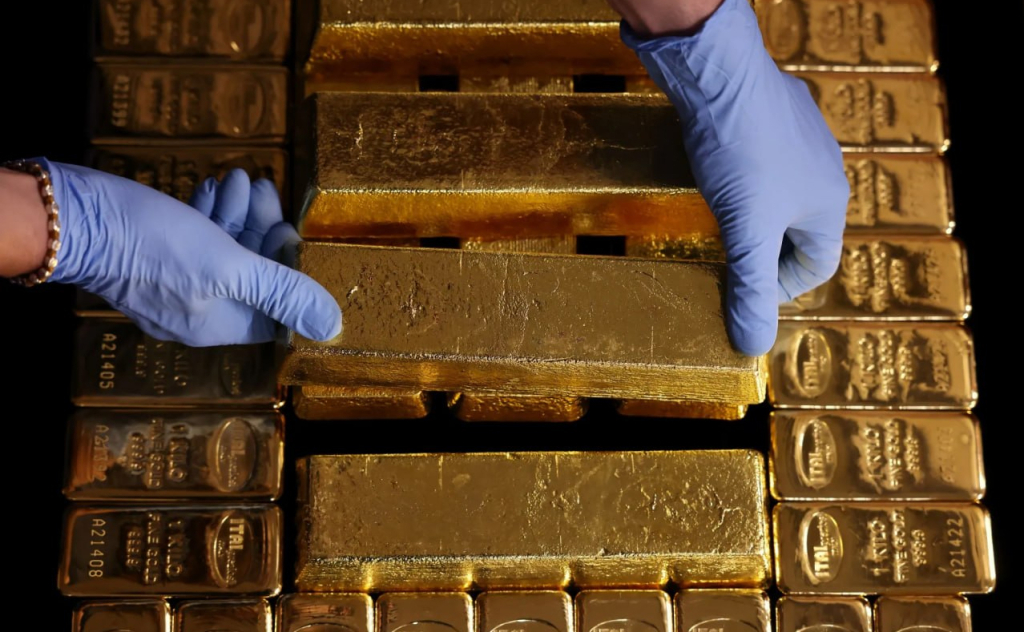
Uzbekistan has not conducted any gold exports since September 2025, marking a significant shift in its external trade operations. This suspension has contributed to a sharp 29.3% decline in the country's export volume during the first quarter of 2026, dropping to $5.8 billion from previous levels.
Despite an overall 2.7% increase in total foreign trade turnover to $18 billion in Q1 2026 compared to the same period in 2025, the export contraction contrasts sharply with import growth. Imports surged by 30.8% to $12.2 billion, reflecting shifting trade imbalances that could affect Uzbekistan's currency markets and bond investor confidence.
Market Implications of Gold Export Halt
The absence of gold exports, a commodity that accounted for $3.6 billion in sales in Q1 2025, has directly impacted export revenue streams. The gold price downturn in March 2026—from approximately $5,300 to $4,400 per ounce—diminished the incentive to sell, prompting the Central Bank to suspend gold sales to maintain reserves at robust levels.
"The Central Bank emphasized that maintaining high gold reserves is crucial amid halted gold sales, as this supports financial stability and investor confidence," officials stated.
For equity markets, the decline in gold export activity may raise concerns among investors in mining and commodity-related stocks, potentially pressuring valuations. Bond markets may also be affected by the altered trade balance and implications for government revenue and foreign exchange reserves.
Trade Partner Dynamics
China continues to strengthen its position as Uzbekistan's leading trade partner, with bilateral trade reaching $4.6 billion in Q1 2026—accounting for about one-quarter of the total foreign trade turnover. Russia and Kazakhstan follow with $3.3 billion and $1.3 billion respectively. Notably, Uzbekistan’s trade with its top 20 partners increased compared to 2025, indicating diversified trade relationships despite the export challenges.
Investors should monitor how Uzbekistan manages this export deficit and the potential policy responses that may influence the capital markets, including currency stability, sovereign bonds, and equity valuations in the resource sector.