Israeli-Iranian Strikes Escalate Amid US-Iran Peace Talks, Impacting Market Sentiment
Military exchanges between Israel and Iran intensify as US seeks a peace deal, prompting cautious investor reactions in equities and bonds.
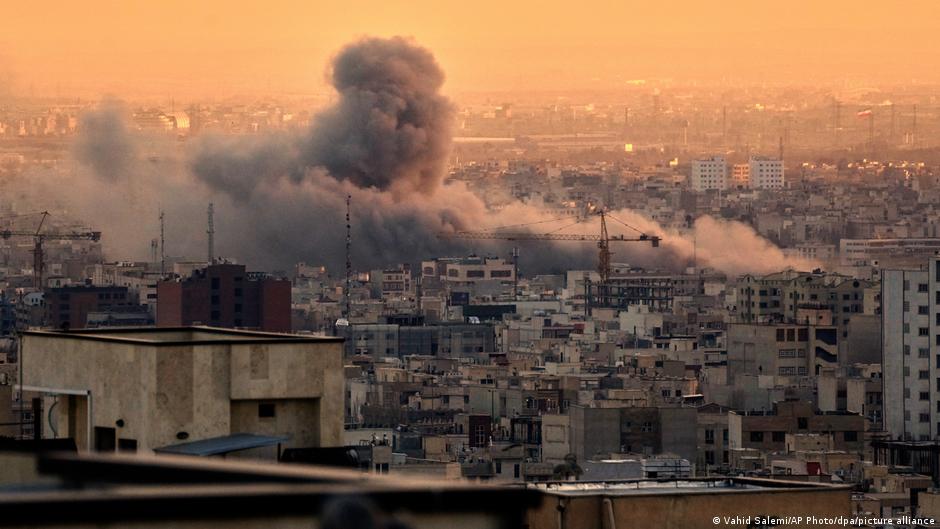
Israeli Defense Forces (IDF) launched airstrikes targeting locations in western and central Iran early Monday, June 8, marking a significant escalation following Iranian missile attacks on Israeli territory the previous evening. The specific targets of the Israeli air raids have not been disclosed.
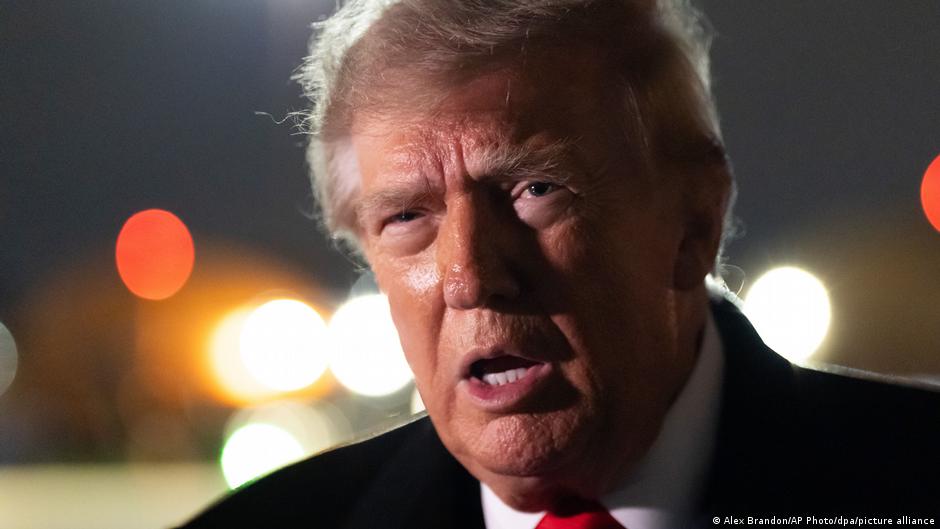
The exchange of fire comes amid heightened geopolitical tensions in the Middle East and ongoing diplomatic efforts led by the United States to negotiate a peace agreement with Tehran. US President Donald Trump recently reaffirmed his intention to secure a peaceful resolution, emphasizing that any agreement would require Iran to abandon its nuclear weapons ambitions.
Market Reaction and Investor Implications
The renewed hostilities between Israel and Iran have introduced fresh uncertainty into global capital markets. Investors are closely monitoring the situation due to its potential to disrupt energy supplies and increase regional geopolitical risks, factors known to influence equities and fixed income markets.
"All decisions are mine. Netanyahu does not make the decisions," President Trump remarked in a June 7 interview, underscoring the US administration's central role in shaping Middle East policy.
Equity markets in the region have experienced volatility as traders weigh the risks of further military escalation. Globally, defense stocks have seen increased interest, while sectors sensitive to Middle Eastern geopolitical events, such as energy and transportation, have faced downward pressure.
Bond markets have also reacted, with increased demand for safe-haven assets pushing yields lower on sovereign debt in stable economies. Conversely, debt issued by countries heavily reliant on Middle Eastern trade or with direct exposure to the conflict has experienced widening spreads.
The ongoing conflict and diplomatic uncertainty pose challenges for portfolio managers seeking to balance risk and return. The possibility of sanctions reimposed on Iran or disruptions in oil supply could have ripple effects across multiple asset classes.
Background on the Conflict and Diplomatic Efforts
The Israeli airstrikes targeted sites in Iran in retaliation for ballistic missile attacks launched by Iran against Israel. The strikes were also linked to earlier Israeli attacks on Hezbollah targets in Lebanon, which Tehran described as a "warning." Israeli officials stated these operations aimed at dismantling terrorist command centers in Beirut.
Meanwhile, US officials have disclosed preliminary agreements on a framework to resolve the conflict, though final approval remains pending. Reports indicate that the US administration conditions acceptance of any deal on Iran's complete cessation of nuclear weapon development activities.
Iranian leadership has indicated that no final agreement has been reached to end hostilities, signaling potential ongoing volatility in the region.
Investors should remain vigilant as geopolitical dynamics evolve, potentially impacting commodity prices, currency valuations, and cross-border investment flows.