Trump Praises Zelensky Amid Ukraine Conflict, Markets Watch for Impact on Global Stability
Former US President Donald Trump commends Ukrainian leadership as conflict persists, while investors assess potential effects on equities and bonds.
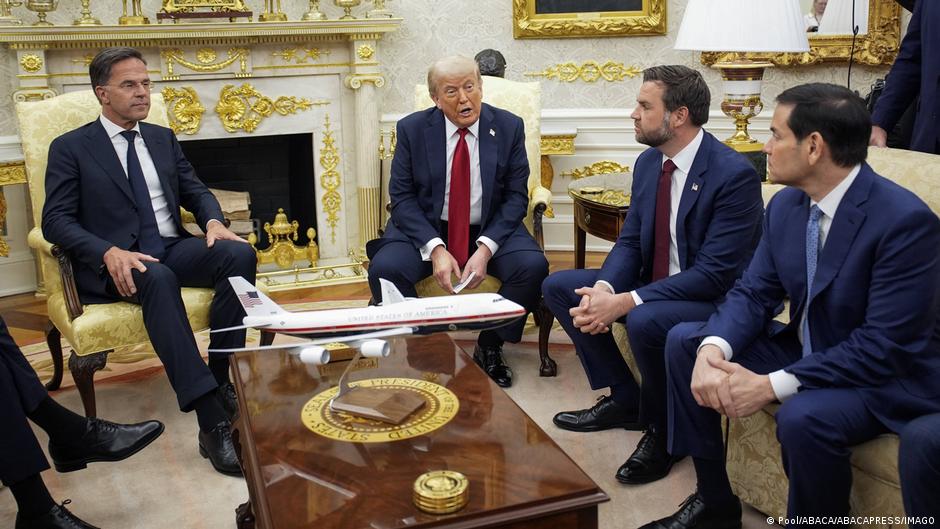
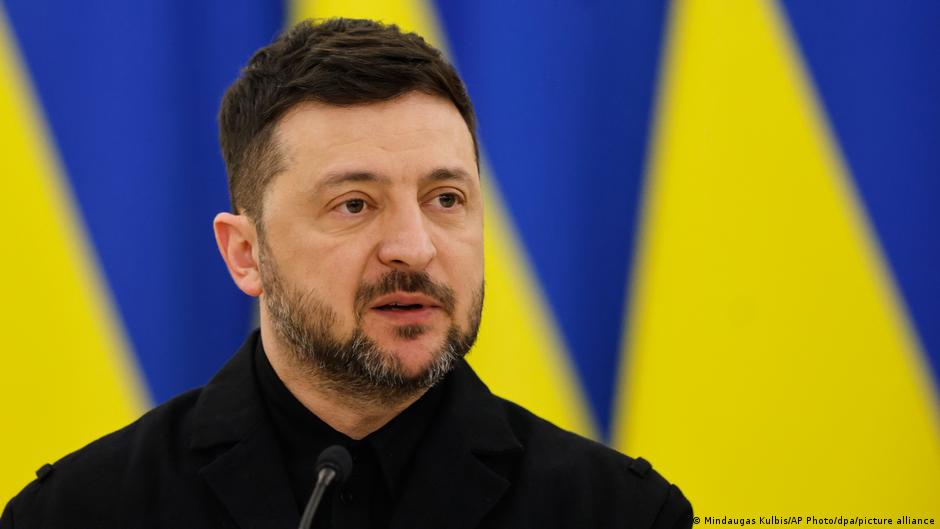
Amid ongoing conflict between Russia and Ukraine, former US President Donald Trump expressed a surprisingly positive view of Ukrainian President Volodymyr Zelensky's handling of the war. Speaking at a White House press conference on June 24 alongside NATO Secretary General Mark Rutte, Trump acknowledged the heavy human toll but stated that Zelensky is "doing quite well." This marks a notable shift given Trump's previous criticisms of Zelensky.
Market Implications of Political Statements Amid Conflict
Trump's remarks come at a delicate time for capital markets, which remain highly sensitive to developments in Eastern Europe. The war has already injected considerable volatility into global equities and bond markets, particularly in sectors with exposure to energy and defense. Investors are closely monitoring political signals for indications of conflict escalation or resolution, both of which could significantly influence asset prices.
"At least he's holding his ground," Trump said, reflecting a cautiously optimistic stance that contrasts with the grim realities on the battlefield.
Despite the apparent optimism, Trump also voiced disappointment with Germany and other European allies over their stance toward the US and Israel concerning Iran, highlighting tensions within the transatlantic alliance. Specifically, Trump lamented that the US has invested "hundreds of millions of dollars" in military deployments in Germany and Europe, yet received insufficient diplomatic reciprocity.
These geopolitical frictions underscore the complex backdrop against which investors must evaluate risk. Emerging European bond yields, for instance, have shown sensitivity to perceived unity among NATO members and the durability of sanctions against Russia.
Earlier in June, the G7 nations, including the US, announced an escalation of sanctions on Moscow to increase economic pressure. Trump’s meeting with Zelensky and other G7 leaders during the summit emphasized a shared intent to pursue a peaceful resolution, though the conflict has extended into its fifth year with no immediate end in sight.
Ukrainian President Zelensky recently stated that with adequate assistance as discussed at the G7, Ukraine could create conditions compelling Russia to seek peace. However, specifics of this strategy remain undefined, leaving markets to speculate on the timing and nature of any potential de-escalation.
Capital markets are thus navigating an environment marked by cautious optimism in political rhetoric but persistent uncertainty on the ground. Equities in defense sectors have benefited from increased demand forecasts, while energy markets remain volatile due to sanctions and supply chain disruptions.
Investors should continue to monitor official statements and geopolitical developments closely, as shifts in diplomatic relations and military dynamics could swiftly alter risk assessments and asset valuations.