US-Iran De-escalation Sparks Market Relief Amid Uncertainty for Oil and Equities
Trump cancels planned strikes on Iran as diplomatic talks progress, easing immediate geopolitical risks for investors.
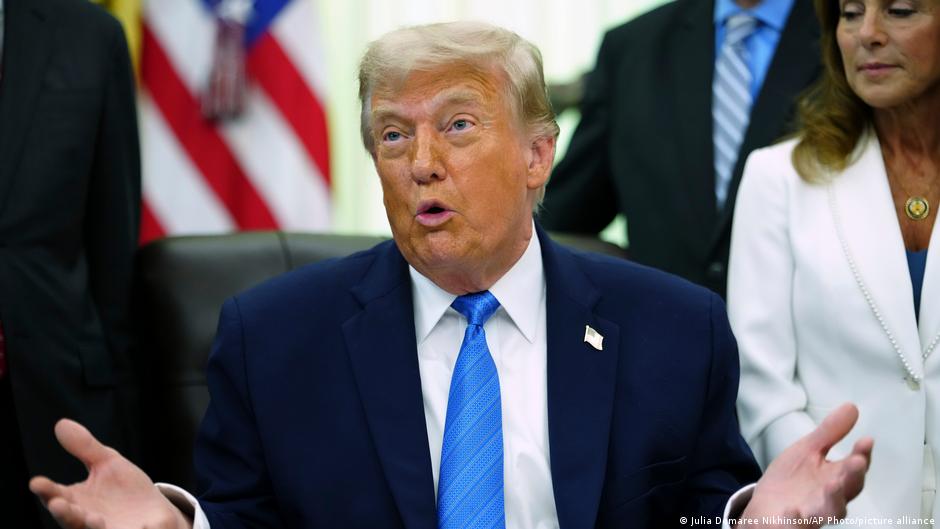
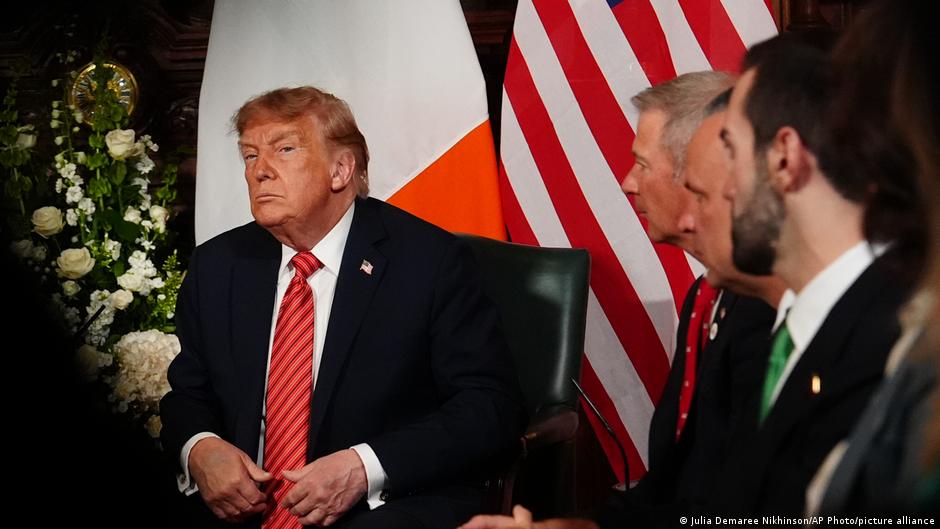
In a significant move affecting global markets, US President Donald Trump announced the cancellation of planned military strikes against Iran following promising progress in high-level negotiations. This development comes amid heightened tensions that had previously rattled energy and equity markets worldwide.
Market Reaction and Investor Implications
Trump’s decision to call off strikes scheduled for June 11th was communicated via his social media platform, citing approvals from Iran's senior leadership and consensus from regional stakeholders including Israel, Saudi Arabia, the UAE, and others. The cancellation alleviates immediate geopolitical risk premium, which had caused volatility across commodities and equities, particularly impacting oil prices and defense stocks.
“The maritime blockade will remain fully in place until the deal is finalized, with signing expected soon,” Trump noted, indicating a phased approach to de-escalation that investors should monitor closely.
Oil markets, which surged amid fears of supply disruptions through the strategic Strait of Hormuz, have shown signs of stabilization. This reprieve is critical for global energy markets, as any prolonged closure or conflict in the region could tighten crude supply and significantly drive up prices, directly impacting inflation and corporate margins worldwide.
Equity markets also responded positively to the news. Defense contractors, which had gained from expectations of renewed military action, faced some profit-taking, while sectors sensitive to energy input costs saw improved prospects. Bond markets have similarly adjusted, with US Treasuries witnessing a slight pullback from safe-haven demand as geopolitical risk subsides.
Investors are advised to view this development cautiously. Although Trump suggested a "magnificent deal" with Iran could be signed soon, Tehran has yet to make a final decision on the agreement, with Iranian officials emphasizing ongoing internal deliberations. The situation remains fluid, and any setbacks could reignite market volatility.
Geopolitical Context and Upcoming Developments
Earlier statements from Trump indicated intentions to intensify military pressure, including potential seizures of Iranian oil hubs and increased strikes. However, the recent diplomatic breakthrough signals a strategic pivot towards negotiation rather than escalation.
Regional tensions remain palpable, with Iran reportedly retaliating against US bases with ballistic missile strikes and threats to keep the Strait of Hormuz closed to maritime traffic until the agreement is finalized. This channel remains critical for global oil shipments, and disruptions could have immediate repercussions for global crude supply and prices.
Market participants should closely monitor confirmation of the agreement’s signing, expected possibly in Europe during the upcoming weekend, though Trump himself will be absent due to his 80th birthday. Vice President JD Vance is slated to attend, underscoring US commitment to diplomatic resolution.
In conclusion, while the cancellation of US strikes on Iran has injected a wave of relief into capital markets, the near-term outlook remains contingent on the finalization and implementation of the proposed deal. Investors are recommended to maintain vigilance on geopolitical developments and adjust portfolios accordingly to navigate potential volatility in energy and defense sectors.