Moscow Grants Agrément to New German Ambassador Amid Strained Bilateral Ties
Appointment of Clemens von Goetze as Germany's ambassador to Russia signals cautious diplomatic continuity despite geopolitical tensions.
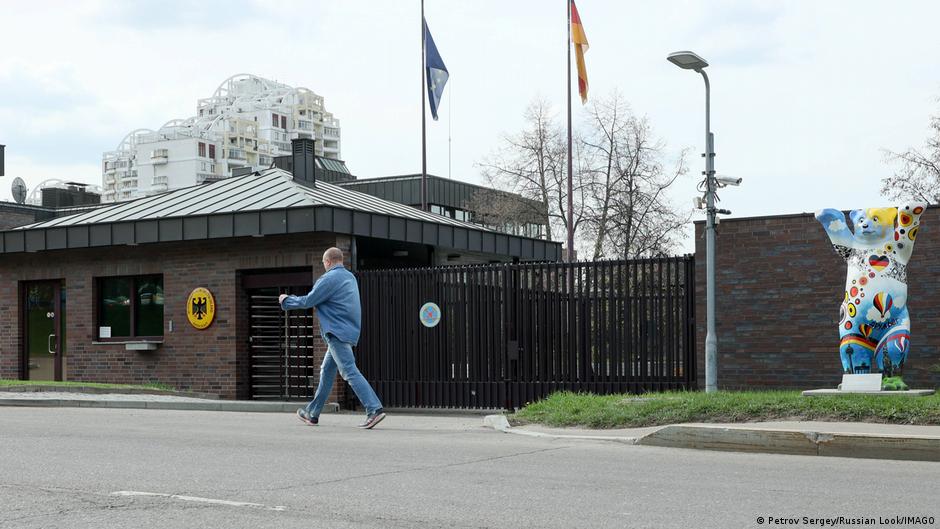
Moscow has issued an agrément for Clemens von Goetze to become the new German ambassador to the Russian Federation, marking a significant diplomatic appointment amidst ongoing tensions between the two countries. Von Goetze is set to replace Alexander Graf Lambsdorff, with his official assumption of the post expected around July, according to reports citing the German Embassy in Russia.
Implications for Capital Markets and Investor Sentiment
The move comes at a time when German-Russian relations remain heavily strained following Russia's full-scale invasion of Ukraine. Germany has emerged as a key supporter of Ukraine, which has added layers of complexity to economic and political interactions with Russia. This appointment may be read by markets as a signal of stable diplomatic engagement, even as geopolitical risks persist.
Investors closely monitor diplomatic developments to gauge potential impacts on equities and bonds, especially in sectors linked to energy, commodities, and trade between the EU and Russia. While sanctions and countermeasures continue to disrupt bilateral trade flows and financial transactions, the presence of a seasoned diplomat such as von Goetze could ease uncertainties related to future negotiations or conflict de-escalation.
“Mr. von Goetze brings extensive experience in foreign and security policy, having previously served as ambassador in Tel Aviv, Beijing, and Tokyo,” noted diplomatic sources. This background is crucial as geopolitical tensions continue to influence capital market dynamics.
Von Goetze currently heads the German embassy in Mexico City and will be succeeded there by Maria Margarete Gosse, who is departing her ambassadorial post in Madrid. Meanwhile, Lambsdorff is slated to become Germany's ambassador to Israel.
Relations between Germany and Russia have deteriorated notably since the outbreak of the war in Ukraine, impacting investor confidence in markets exposed to Russian assets or companies with significant Russian operations. Recent diplomatic incidents, including Russia summoning Lambsdorff over alleged treatment of Russian journalists in Germany and a Bundestag member's meeting with a leader of a Russia-designated terrorist organization, have reinforced the fragile state of bilateral ties.
For capital markets, these developments underscore ongoing geopolitical risks that factor into sovereign risk assessments, foreign exchange volatility, and the performance of stocks and bonds connected to the region. Market participants should remain alert to how diplomatic appointments and interactions could influence policy decisions affecting trade, sanctions, and regulatory environments.
Strategic Outlook for Investors
While the agrément signals continued diplomatic communication channels, the broader geopolitical context suggests that volatility in Russian-related assets and sectors will likely persist. Investors with exposure to European equities, especially in industries sensitive to Russia-EU relations such as energy, manufacturing, and finance, should incorporate these political developments into risk management frameworks.
Furthermore, fixed income investors should watch for shifts in sovereign bond yields and credit spreads that may reflect evolving perceptions of Russia’s geopolitical and economic stability. Similarly, the German government's stance and EU policies in response to the conflict and diplomatic signals will remain critical factors influencing market sentiment.
In conclusion, the appointment of Clemens von Goetze as ambassador represents continuity in diplomatic relations under challenging circumstances. For capital markets, this development offers a nuanced indication of ongoing engagement, which investors must weigh against persistent geopolitical risks shaping market conditions today.