US Announces Deployment of Additional 5,000 Troops to Poland Amid Prior Drawdown Plans
The unexpected troop increase to Poland follows Pentagon’s earlier decision to suspend a 4,000-soldier deployment, impacting transatlantic defense dynamics and market perceptions.
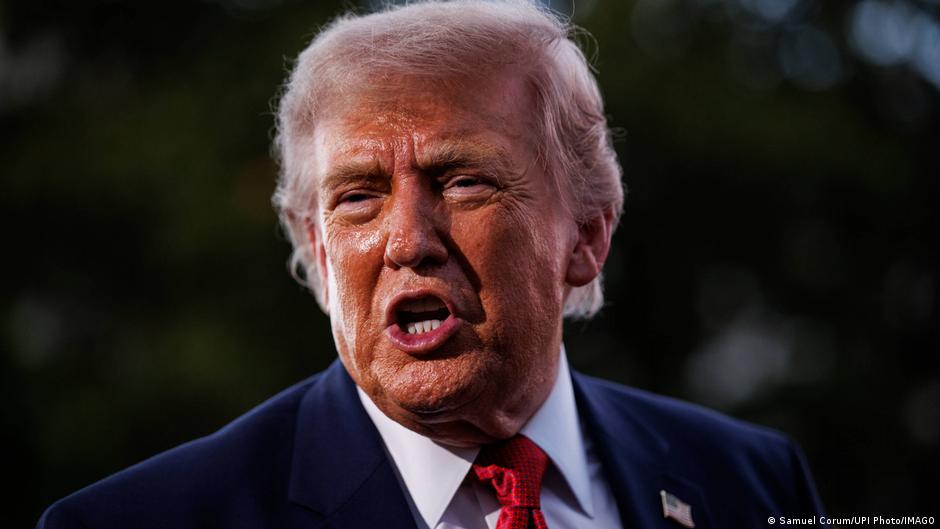
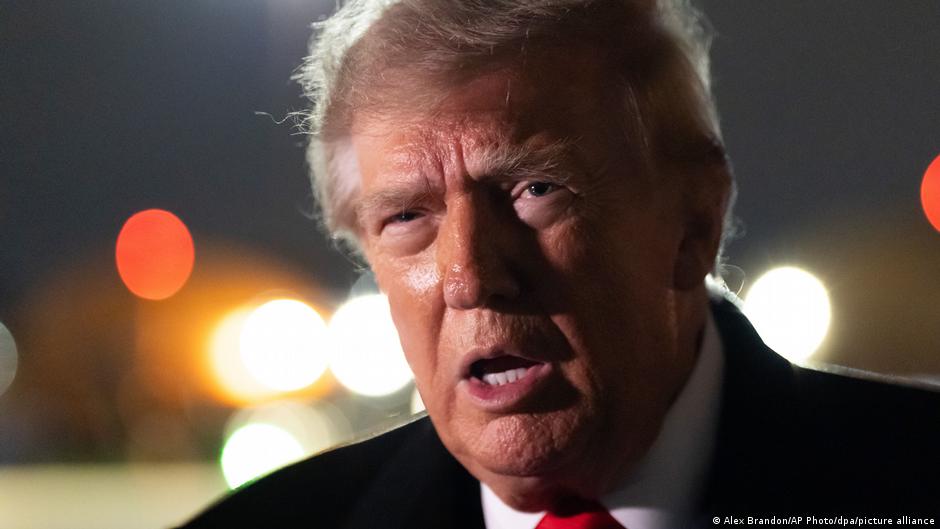
The US administration has declared a deployment of an additional 5,000 troops to Poland, reversing earlier Pentagon plans to suspend the arrival of 4,000 soldiers. This announcement by former President Donald Trump highlights evolving US military commitments in Europe and raises questions about the implications for defense-related equities and bond markets.
Military Movements and Market Reactions
On May 22, Trump attributed the decision to strong relations with Poland’s newly elected President Karol Nawrocki, promising continued US military support. However, details remain unclear whether this troop increase refers to a newly constituted contingent or the reinstatement of the previously halted 2nd Armored Brigade Combat Team of the 1st Cavalry Division, which comprises approximately 4,000 troops.
The Pentagon’s earlier suspension of the 4,000-soldier deployment, reported on May 13 by The Wall Street Journal and Defence News, was part of a strategic plan to reduce US forces in Europe. This decision reportedly caught military officials by surprise and led to significant dissatisfaction among Polish military leadership, who learned of the development through media rather than official channels.
“Polish military officials are furious at having to hear about troop reductions from the press rather than their command,” according to Pentagon insiders.
Meanwhile, the US had announced earlier plans to withdraw 5,000 troops from Germany following critical remarks from German Chancellor Friedrich Merz concerning US and Israeli military actions in the Middle East.
As of mid-May, Poland was preparing for a reduction in US troop presence, though some sources suggested the magnitude might be less severe than media reports indicated. Polish Defense Minister Wladyslaw Koziniak-Kamysz publicly denied any reduction in American troops, emphasizing Poland’s ongoing efforts to increase US military presence.
According to US military sources, approximately 7,400 troops were stationed in Poland by mid-May. Overall, the US maintains about 100,000 personnel in Europe, with over 65,000 permanently assigned and the remainder rotating through. The Pentagon has announced that withdrawing one of four combat brigade groups from Europe will reduce troop numbers to 2021 levels.
NATO’s top commander in Europe, Lt. Gen. Alexis Grinkevich, reassured that the US troop drawdown will not impact NATO’s plans to bolster European defense capabilities. He also noted expectations that US forces might be redeployed globally in response to shifting strategic priorities.
Congress has legislated restrictions on reducing US forces in Europe below 76,000 personnel for more than 45 days without detailed justification to Congressional committees. This measure underscores the political sensitivity surrounding US military presence in Europe and its strategic importance.
Investor Implications
The fluctuating US military footprint in Europe has broad implications for investors, particularly in defense equities and sovereign bonds. Increased troop deployments often signal heightened geopolitical risks, which can drive demand for defense contractors’ stocks such as Lockheed Martin and Raytheon Technologies. Conversely, uncertainties about US commitment levels could weigh on market sentiment and increase volatility.
Bond markets may also react to these developments as increased defense spending can influence fiscal deficits and sovereign credit outlooks, especially for countries like Poland seeking to expand their military infrastructure. Investors should monitor US-European defense policy shifts closely, as they are likely to impact defense sector revenues and sovereign credit profiles in the transatlantic region.
In summary, the US decision to send additional troops to Poland after announcing troop reductions reflects ongoing strategic recalibrations that merit close attention from capital markets participants assessing geopolitical risk and defense sector opportunities.