US Strikes on Iran Escalate Tensions, Impacting Regional Capital Markets and Investor Sentiment
Ongoing US attacks on Iranian infrastructure and Iran’s retaliatory measures heighten geopolitical risks, influencing equities and bond markets.
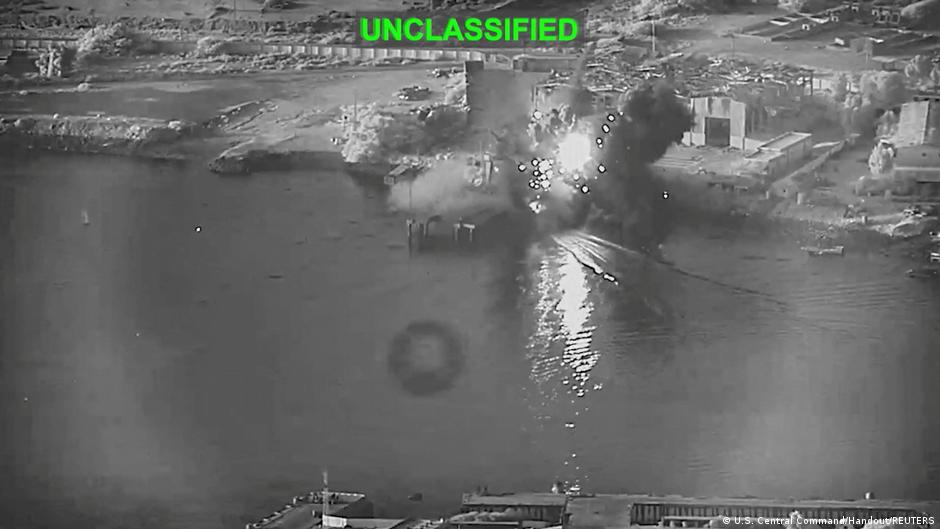
Recent US military strikes targeting Iranian bridges, airports, and energy infrastructure have intensified geopolitical tensions in the Middle East, driving volatility across capital markets. The attacks, which the US Department of Defense stated aim to further degrade Iran’s military capabilities, have triggered immediate market reactions, raising concerns among global investors about regional stability and its economic repercussions.
Market Reactions to Escalating Conflict
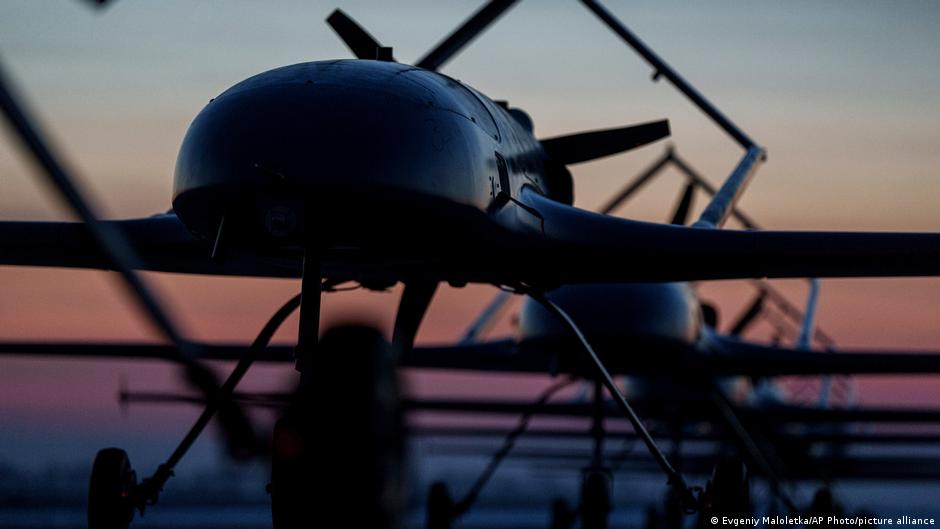
The US military launched a series of airstrikes on July 16th against multiple Iranian civilian and military targets, including transportation links in the Hormozgan province and energy facilities on Kish Island. According to Iranian state media, the strikes caused casualties and damaged critical infrastructure, including near the Bushehr nuclear power plant. Meanwhile, Iran’s Revolutionary Guard Corps retaliated with missile and drone attacks against US military assets in Bahrain, reflecting an intensifying cycle of conflict.
“These developments significantly elevate geopolitical risks, which are already being priced into regional equities and bond yields,” said an emerging markets strategist. “Investors are closely monitoring the potential for broader escalation that could disrupt oil supply chains and regional trade flows.”
Financial markets have responded swiftly. The Gulf Cooperation Council (GCC) equities experienced mixed performance as investors weighed the risk of prolonged conflict against regional growth prospects. Commodity markets, notably oil, saw price spikes on fears of supply disruptions through the Strait of Hormuz, a critical chokepoint for global energy shipments. Meanwhile, sovereign bond spreads of Gulf states have widened slightly as credit risk premiums increased amid uncertainty.
Implications for Investors and Capital Flows
The delicate balance of power in the Persian Gulf is crucial for international trade and energy markets. The recent escalation followed an earlier June agreement intended to de-escalate hostilities and lift the blockade on the Strait of Hormuz. However, attacks on commercial vessels and renewed US strikes have undermined confidence in the region’s stability.
For investors, this means a heightened risk environment, especially for those with exposure to Middle Eastern assets. Equity portfolios with significant holdings in Gulf countries must account for increased volatility driven by geopolitical uncertainties. Similarly, fixed income investors face potential widening spreads on regional sovereign and corporate bonds due to perceived risk spikes.
Moreover, US President Donald Trump’s statements warning that the military campaign against Iran will continue until the US deems otherwise, including threats to critical Iranian infrastructure such as power plants and bridges, add further unpredictability. These remarks have led to speculation about the duration and intensity of conflict, influencing risk premiums across asset classes.
Market participants are advised to consider the evolving geopolitical landscape when making asset allocation decisions. Diversification strategies and hedging against geopolitical risks through derivatives or safe-haven assets such as US Treasuries and gold may become increasingly relevant.
In summary, the ongoing US-Iran conflict is not only a military and diplomatic issue but also a significant factor shaping capital market dynamics. Investors should remain vigilant to developments as they directly impact regional equities, bond valuations, and global commodity prices.