US Strikes on Iran Trigger Market Volatility Amid Middle East Tensions
US military actions against Iranian targets and retaliatory strikes raise investor concerns over regional stability and commodity markets.
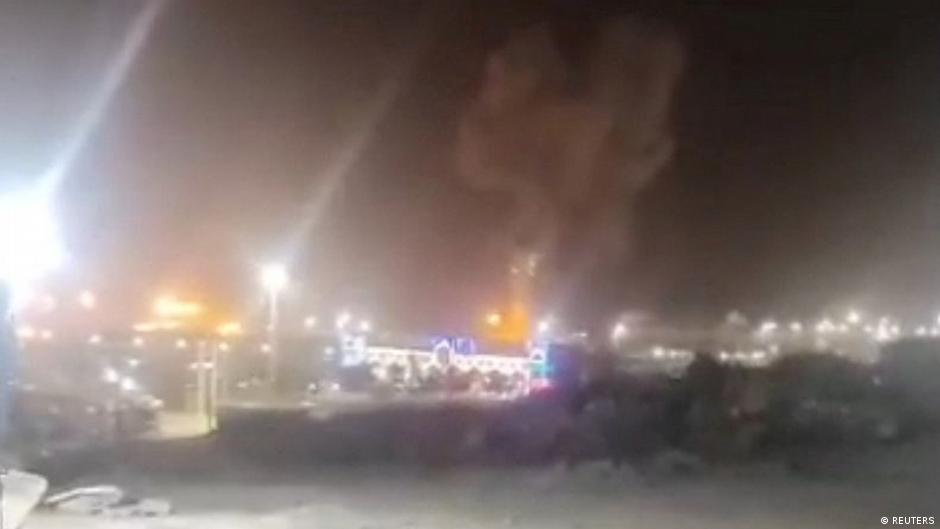
The United States conducted two waves of airstrikes targeting Iranian military and infrastructure sites on July 16, escalating tensions in the Persian Gulf and prompting notable reactions in global capital markets. Tehran responded with missile attacks on US bases in Bahrain and Kuwait, further amplifying geopolitical risks for investors.
Market Impact of US-Iran Escalation
The US Central Command (CENTCOM) reported initial strikes on port facilities in Sirik and Bandar Abbas along the Strait of Hormuz, a critical chokepoint for global oil shipments. Additional attacks hit military command centers, air defense systems, missile and drone installations, and coastal observation posts. Notably, a US strike disabled an oil tanker attempting to breach a maritime blockade, signaling an intensification of enforcement measures.
In response, Iran launched attacks on US naval bases, including the Fifth Fleet headquarters in Bahrain, with multiple explosions reported. The heightened hostilities led to partial airspace closures in Saudi Arabia and Jordan, underscoring regional instability.
"This process will be very challenging, with many pauses and resumptions," said US Vice President JD Vance, emphasizing a complex path ahead for US-Iran relations.
From a capital markets perspective, the conflict’s developments have led to increased volatility in energy markets, with Brent crude futures spiking due to fears of supply disruptions through the Strait of Hormuz. Equities in the energy sector saw mixed trading, with oil producers gaining on higher prices while insurers and shipping firms faced downward pressure due to operational risks.
Bond markets reflected a flight to safety, with US Treasury yields dipping as investors sought refuge amid geopolitical uncertainties. Emerging market debt, especially those with economic ties to the Middle East, experienced widening spreads, signaling increased risk premiums.
Investors are closely monitoring further developments, balancing geopolitical risk against ongoing economic pressures and negotiations. The US strategy combines economic sanctions with military pressure while engaging pragmatists within the Iranian leadership, a dual approach that introduces unpredictability into market forecasts.
Overall, the recent US-Iran confrontations underscore the fragility of Middle East stability and its outsized influence on global capital flows, commodity prices, and investor sentiment.