German Foreign Minister Defends International Criminal Court Amid US Sanctions Threats
Germany supports the ICC as the US escalates a campaign against the court, raising concerns among investors over geopolitical risks and international legal frameworks.
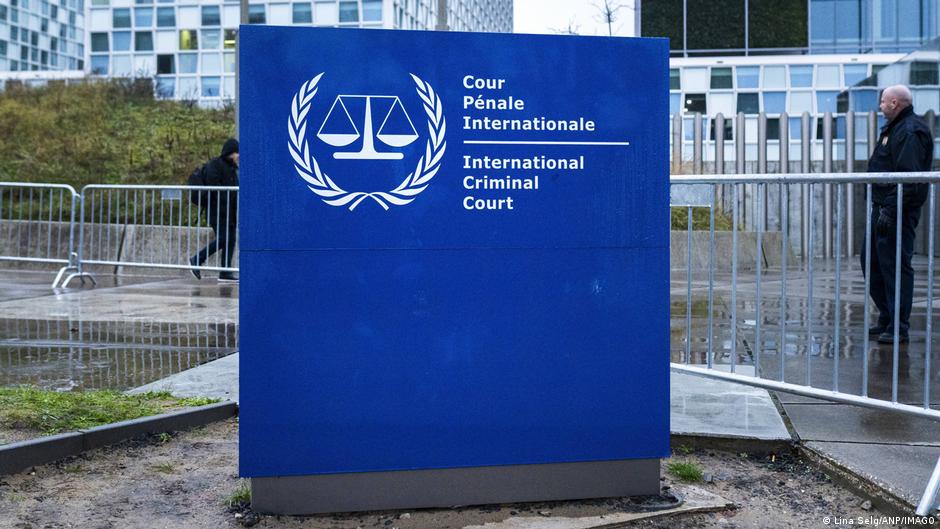
The International Criminal Court (ICC) has become a focal point of diplomatic tensions after the United States announced a broad campaign against the court, raising concerns among international investors about the stability of global legal institutions and their implications for capital markets.
German Foreign Minister Endorses ICC's Role
Johann Wadephul, Germany's Foreign Minister, publicly defended the ICC following Washington's declaration of extensive measures targeting the Hague-based court. In an interview with the media group Redaktionsnetzwerk Deutschland, Wadephul emphasized the ICC's mission to make the world "safer and fairer" by delivering verdicts on severe crimes such as child soldier recruitment and holding perpetrators accountable.
"Possible shortcomings are no reason to question the very existence of this important institution and its achievements," Wadephul stated, underscoring the necessity of protecting the ICC as an independent body.
The minister reiterated Berlin's commitment to the international judicial system and a rules-based global order, signaling continued European support against unilateral sanctions or political pressures.
US Campaign Against ICC Raises Market and Sovereignty Concerns
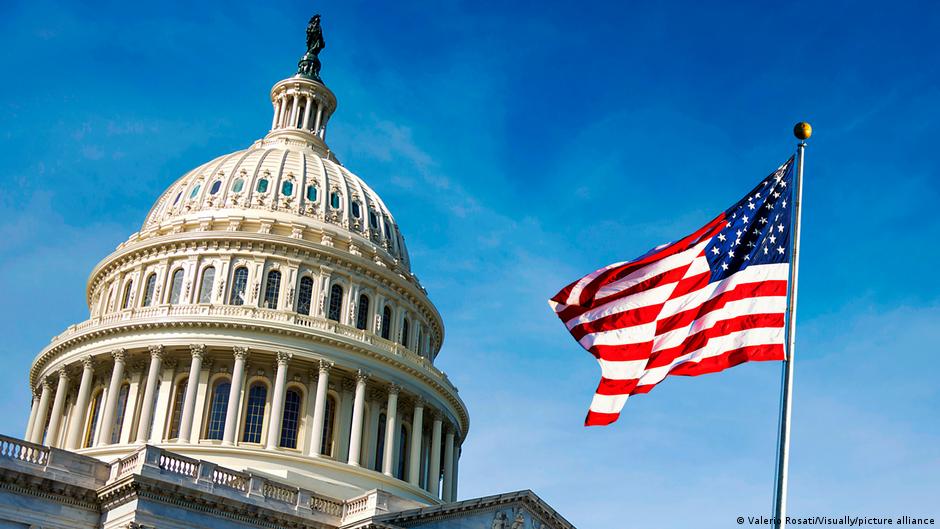
On July 13, the US State Department accused the ICC of posing an "unacceptable threat" to American sovereignty, threatening new sanctions against the court and its personnel. The statement claimed the ICC seeks jurisdiction over US military and officials, despite America never ratifying the Rome Statute that established the court.
US Secretary of State Marco Rubio described the ICC’s actions as a legal offensive aimed at undermining US sovereignty through international law rather than military means. The US campaign includes diplomatic efforts urging countries to denounce the ICC’s alleged abuses, exit the institution, and refuse to cooperate with prosecutions targeting American nationals. Additional measures under consideration include travel bans and stricter sanctions against ICC staff.
This confrontation has prompted concerns among investors about potential volatility in equities and bond markets, especially in Europe and the US, where geopolitical risks weigh heavily on market sentiment. The uncertainty around international legal norms and US foreign policy could affect multinational corporations exposed to geopolitical risks in regions under ICC scrutiny.
European Commission Rebuffs US Sovereignty Claims
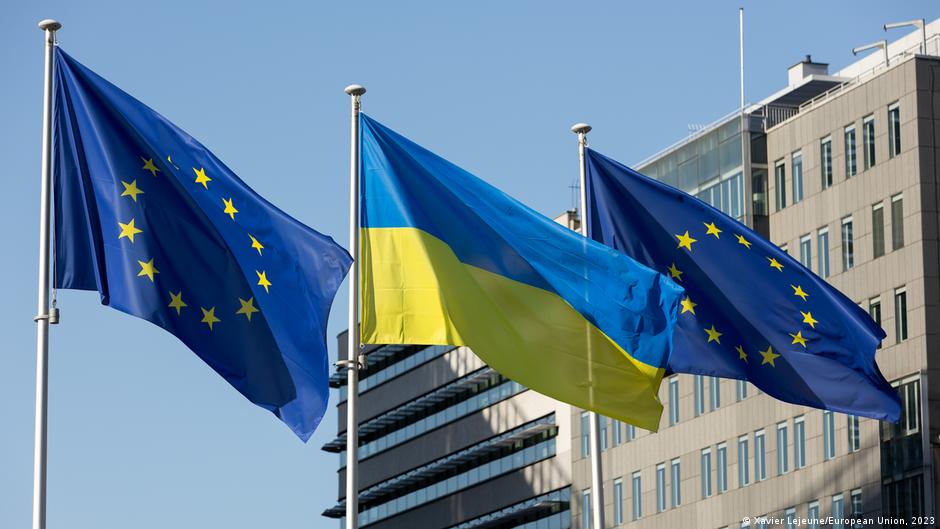
Brussels has dismissed US claims that the ICC threatens national sovereignty. Anwar al-Anuni, a European Commission spokesperson, emphasized that attacks on the court and its personnel are "simply unacceptable," reinforcing that the ICC targets individuals, not sovereign states.
Europe’s stance reflects a broader commitment to multilateral institutions, which many investors view as stabilizing forces in international relations and global markets. The EU’s support for the ICC may reassure investors wary of unilateral US actions that could disrupt international cooperation frameworks.
Implications for Investors and Markets
The escalating tension between the US and the ICC introduces additional geopolitical risk factors that investors must consider. Markets typically respond negatively to heightened geopolitical friction, especially when tied to legal and diplomatic conflicts affecting major powers.
Equities in sectors such as defense, international law services, and multinational corporations operating in conflict zones may experience increased volatility. Similarly, sovereign and corporate bonds in regions involved in ICC investigations could see shifts in yield spreads due to perceived risk.
"The situation underscores the challenges that arise when international legal institutions intersect with national interests," said a market analyst. "For investors, understanding these dynamics is critical for portfolio risk management in an increasingly complex geopolitical environment."
As the US campaign against the ICC unfolds, market participants will be monitoring diplomatic developments closely, assessing their impact on global stability and investment climates.