Russian Combined Strike on Izium Raises Concerns for Regional Market Stability
The recent Russian air and drone attacks on Izium have resulted in civilian damage and heightened geopolitical risks affecting investor sentiment.

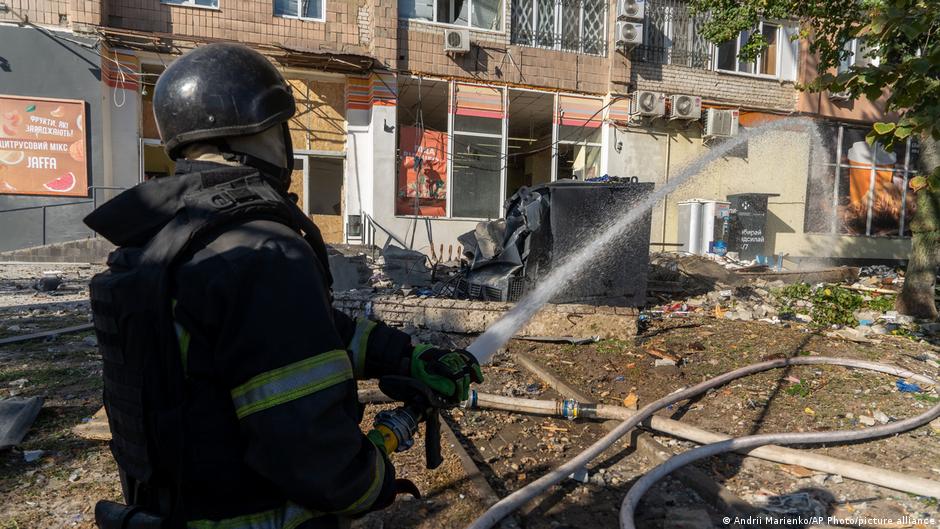
The armed forces of the Russian Federation executed a combined strike on the city of Izium in Ukraine's Kharkiv region, employing guided aviation bombs and Shahed-type drones. The attack, reported on July 15, has caused damage to civilian infrastructure, agricultural equipment, and private homes, with preliminary reports confirming casualties.
Izium's local military administration detailed that fires broke out following the strikes, and several air raid alerts were issued during the incident. This escalation follows a previous attack on July 5, which resulted in one death and multiple injuries, as well as destruction of a gas station and damage to vehicles.
Implications for Regional Markets and Investors
These renewed hostilities in the Kharkiv region contribute to an environment of heightened geopolitical risk, which directly impacts capital markets, especially equities and bonds in Eastern Europe. Investors generally react to such conflicts with increased volatility and risk aversion, leading to potential sell-offs in regional stock exchanges and widening spreads in sovereign and corporate bonds.
Market participants monitoring Ukrainian and Russian securities may experience increased uncertainty due to the unpredictability of military actions near key urban centers like Izium. Damage to civilian and agricultural assets underscores the broader economic disruption that can affect commodity supply chains and regional economic output.
"The escalation of conflict in areas such as Izium exacerbates market instability, compelling investors to reassess risk exposures in Eastern European assets," analysts note.
Furthermore, global investor sentiment could be influenced by the persistence of such strikes, with potential spillover effects on energy markets and international relations, which in turn may affect asset prices across various classes.
Overall, the recent combined strike on Izium signals a continuation of conflict dynamics that demand close attention from investors focused on capital market developments in the region.