Rising Military Service Refusals in Germany Signal Increased Uncertainty in Capital Markets
Germany sees a sharp rise in military service refusals amid security tensions and conscription reforms, impacting market sentiment and investor outlook.
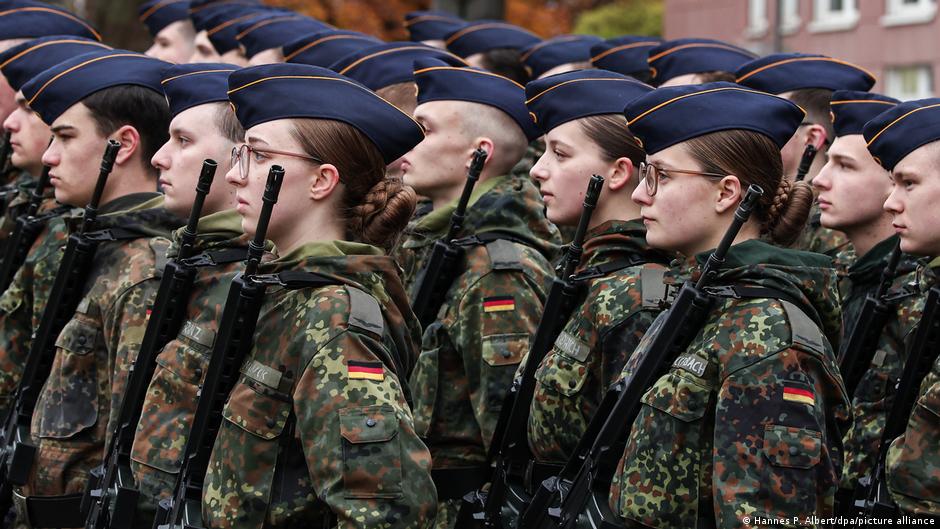
Germany has witnessed a significant surge in the number of individuals refusing military service in the first half of this year, a development that is drawing attention from capital markets analysts and investors. According to data from the Federal Office for Family and Civic Affairs (BAFzA), 5,862 applications for exemption from military service were filed by June 30, 2026, marking a substantial increase compared to 3,867 refusals throughout 2025 and 2,998 in 2024.
Implications for Markets and Investors
The rising number of refusals coincides with heightened security concerns and the implementation of new draft reforms in the Bundeswehr, Germany’s armed forces. These factors have created an environment of uncertainty that could influence investor confidence and have repercussions for equities and bond markets, especially in sectors tied to defense, infrastructure, and government spending.
The draft reform, effective from January 1, 2026, mandates that all 18-year-old males undergo mandatory medical evaluations to determine fitness for service, regardless of their intent to serve voluntarily. Starting July 1, 2027, this process will intensify the government's ability to mobilize military personnel, potentially impacting workforce allocation and related public expenditures.
"If voluntary recruitment targets are not met, Germany plans to partially reinstate compulsory military service through a system of 'military obligation by necessity,'" analysts note, highlighting a policy shift that may affect defense spending and economic stability.
By 2035, the active military force is projected to grow from 186,000 to 260,000 personnel, implying increased defense budgets and potential shifts in government priorities. For investors, this signals possible opportunities in defense manufacturing and increased demand for related services, but also risks including budget reallocation from other sectors.
Historical Context and Current Trends
Mandatory military service was suspended in Germany in 2011, with the right to conscientious objection preserved under the Basic Law. Notably, 2011 saw 4,348 refusals, a number that has now been surpassed in the first six months of 2026 alone.
Refusals are not limited to new conscripts; reservists and active military personnel can also apply for exemption, contributing to the complexity of manpower planning. Interestingly, some applicants have withdrawn prior refusal requests, indicating variability in service participation attitudes, with 781 such reversals in 2025 and 233 in the first quarter of 2026.
Market participants are closely monitoring these developments due to their potential impact on government fiscal policy, public sector employment trends, and the broader economic environment. Increased military personnel numbers and related reforms might lead to higher government spending, influencing bond issuance and yields, while the social and political uncertainties could affect equity market valuations.
Investors should consider these factors in portfolio allocation decisions, especially those with exposure to European defense contractors, government bonds, and sectors sensitive to fiscal policy shifts.