Forest Fire Near Paris Sparks Evacuations and Raises Climate Concerns, Markets React
A major wildfire near Paris has led to significant evacuations and raised investor concerns over climate-related risks in European markets.
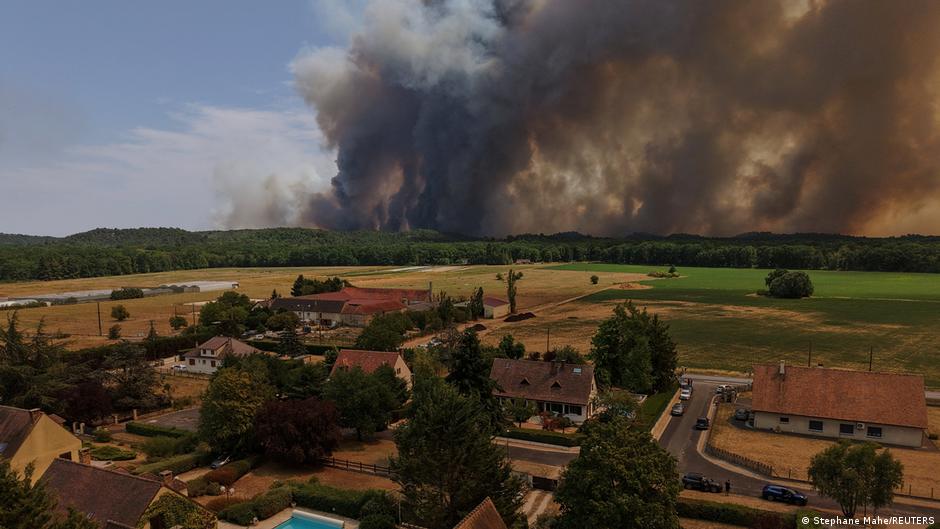
A severe forest fire erupted in the Fontainebleau forest, approximately 60 kilometers southeast of Paris, prompting the evacuation of about 1,000 people and the deployment of extensive firefighting resources. The blaze scorched over 1,300 hectares, marking one of the most substantial wildfires near the French capital in recent years.
Market Impact and Investor Concerns
The incident has unfolded amid France’s third wave of intense heat this year, with wildfires damaging roughly 32,000 hectares nationwide—double the extent recorded during the same period last year. Authorities have detained 59 individuals suspected of causing fires either intentionally or negligently, reflecting growing concerns about increased fire risks tied to climate phenomena.
"The scale and frequency of these wildfires underscore an escalating climate risk that investors must factor into their long-term strategies," said a market analyst focusing on environmental risk.
Capital markets have started to show sensitivity to such environmental events, particularly across equities and bonds related to sectors vulnerable to climate change, including insurance, agriculture, and utilities. Investors are increasingly wary of the financial implications of prolonged heatwaves and natural disasters, which can disrupt supply chains, increase operational costs, and affect asset values.
The Fontainebleau fire also led to the temporary closure of several major highways, intensifying logistical challenges in the region. From a bond market perspective, there may be heightened attention on government and municipal bonds issued for climate resilience infrastructure and emergency response funding.
Firefighting Efforts and Climate Data
French Interior Minister Laurent Nuñez confirmed that two suspects were taken into custody on suspicion of deliberate or accidental arson. One detainee is an 18-year-old with no prior convictions. Firefighters deployed 600 personnel, supported by aircraft including four Canadair water bombers, two Dash planes, and three helicopters, completing a total of 187 water drops to contain the blaze.
Despite efforts, the region continues to experience unprecedented heat. According to the European Copernicus Climate Change Service (C3S), June 2026 was the hottest on record for Western Europe, with an average temperature of about 20.86°C—three degrees Celsius above the 1991-2020 June average.
Meanwhile, Germany has faced severe heat-related mortality, with estimates from the Robert Koch Institute suggesting roughly 5,100 excess deaths in June alone.
These climatic extremes have implications beyond immediate safety concerns, driving shifts in investment strategies as market participants assess the long-term risks of temperature anomalies and environmental volatility.
As the fire continues to be contained, investors and policymakers alike will monitor how such climate-induced events influence market stability and capital allocation in Europe’s environmental and infrastructure sectors.