Trump Alleges Chinese Election Interference, Raising Market Uncertainty Over U.S. Political Stability
Claims of Chinese access to data on 220 million American voters spark concerns amid U.S. election system vulnerabilities.
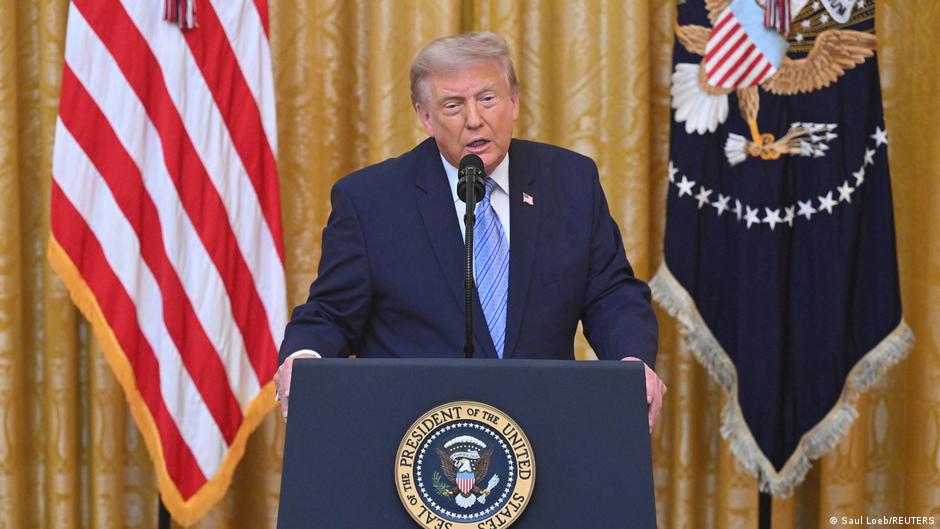
Former President Donald Trump delivered a 25-minute national address accusing China of extensive interference in the 2020 U.S. presidential election, citing "shocking vulnerabilities" in the American electoral system. His claims were accompanied by a call to declassify intelligence data that purportedly show Beijing's influence and unauthorized access to voter information.
Market Implications of Election Security Concerns
Trump alleged that China obtained sensitive data on approximately 220 million American voters, including names, addresses, phone numbers, and party affiliations, through purchase, theft, or hacking. He warned that this operation represents "the largest data breach in election history." Additionally, Trump highlighted systemic weaknesses, such as nearly 278,000 non-citizens registered as voters in four states.
From a capital markets perspective, such allegations and the resulting political uncertainty may increase volatility in U.S. equities and bond markets. Investors traditionally favor political stability, and doubts about election integrity can lead to risk-off sentiment, with potential sell-offs in stocks and safe-haven flows into government bonds.
"Today I call on the intelligence and justice agencies to investigate how these critical details were concealed from both the President and the American people," Trump stated, emphasizing a demand for accountability.
The former president further claimed that China aimed to influence the election outcome against him by manipulating votes and bribing journalists to publish negative coverage. He linked this interference to his trade policies involving multibillion-dollar tariffs and efforts to build a "strongest military in the world." Trump also cautioned that other foreign adversaries, including Russia, Iran, North Korea, and non-state actors, could exploit similar electoral vulnerabilities.
For investors, the prospect of foreign interference raises concerns about policy continuity and governance, which are critical factors in economic forecasting and valuation models. Uncertainty could pressure sectors sensitive to government policy shifts, such as defense, technology, and trade-exposed industries.
Furthermore, Trump accused elements within U.S. intelligence agencies—labeling them the "deep state"—of suppressing and minimizing the scope of China's election interference. He urged relevant authorities, including the Office of the Director of National Intelligence, the Department of Justice, the FBI, and the CIA, to conduct thorough investigations, remove culpable officials, and pursue legal action where appropriate.
Markets will closely monitor any developments from these investigations and the broader political discourse, as sustained allegations of election tampering could impact investor confidence in the stability of U.S. democratic institutions and, by extension, the regulatory and economic environment.