CIA Director Highlights Impact of AI Drone Warfare on Russian Soldier Survival in Ukraine
Intelligence reports reveal dramatic rise in Russian military losses attributed to AI-enabled drones, reshaping battlefield dynamics and investor risk assessments.
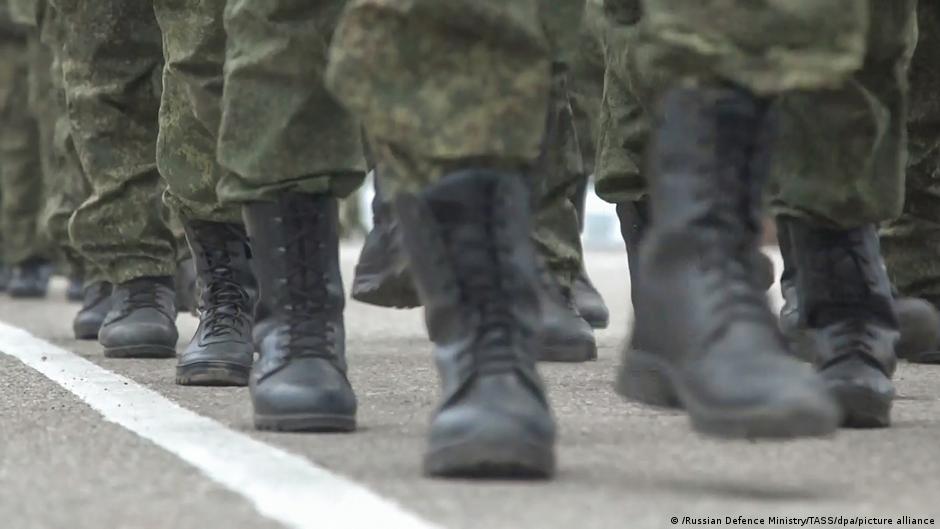
John Ratcliffe, Director of the Central Intelligence Agency (CIA), recently revealed that the average survival time for a newly deployed Russian soldier on the battlefield in Ukraine is between 20 to 30 minutes. This stark statistic underscores the transformative role of artificial intelligence (AI)-driven drone technology in modern warfare, a development that also carries significant implications for capital markets and investor sentiment.
AI-Enabled Drones Reshape Combat and Heighten Russian Casualties
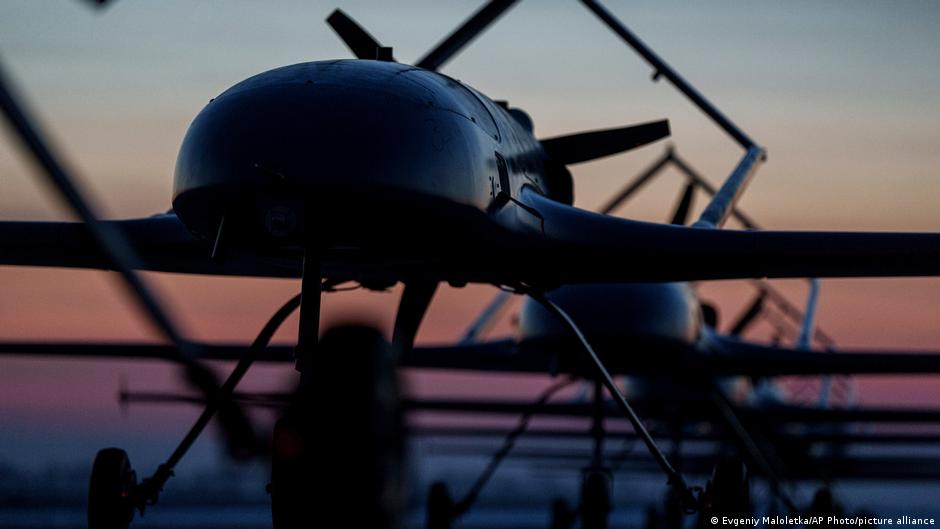
Speaking at the Defense and Innovation Summit in Pennsylvania, Ratcliffe emphasized that the rapid advancement and deployment of AI-powered drones by Ukrainian forces have been a "powerful equalizing factor" against the numerically superior Russian military. These drones, described as "specialized and cost-effective killing machines," have drastically increased Russian casualties and constrained their operational momentum.
"Our intelligence aligns with open-source reports showing that AI-enabled drones have become a decisive element on the battlefield, dramatically reducing the survivability of Russian soldiers," Ratcliffe stated.
Independent analyses from the Center for Strategic and International Studies (CSIS) corroborate these findings, noting that Russian military losses in 2026 have surged to eight times those of Ukrainian forces. This contrasts with previous years where Russian casualty rates were approximately two to three times higher than those of Ukraine. The CSIS research estimates that since the start of the conflict in February 2022, around 2 million military personnel have been killed, injured, or gone missing, with roughly 1.4 million losses attributed to Russian forces.
Significantly, over 90 percent of Russian casualties are reportedly due to drone strikes rather than conventional ground engagements. This shift in the nature of warfare is altering the strategic calculus for both military planners and investors monitoring geopolitical risk.
Market Implications: Heightened Risk and Volatility
The elevated risks faced by Russian forces, driven by advanced AI drones, introduce greater uncertainty into global capital markets, especially in sectors closely tied to defense, energy, and regional stability. Equity markets may react sensitively to future intelligence updates or shifts in battlefield dynamics, impacting defense contractors focused on drone technology and AI systems.
Moreover, bond markets could factor in increased geopolitical risk premiums for Russian sovereign debt and companies with significant exposure to the conflict region. Investors may also reassess their portfolios' risk profiles given the prolonged and intensifying nature of the conflict.
As the integration of AI technologies in warfare continues to evolve, market participants should remain vigilant about the potential for rapid shifts in military outcomes that could ripple through global supply chains, commodity prices, and capital flows.
In summary, the CIA's disclosure about the brief survival span of Russian soldiers due to AI-driven drones not only highlights a critical tactical development on the battlefield but also serves as an indicator of heightened operational and geopolitical risks. These factors warrant close attention from investors navigating the complexities of capital markets influenced by evolving international conflicts.