Finland Pushes EU Tourist Visa Ban for Russians as Policy Risk Stays in Focus
Foreign Minister Elina Valtonen urged an EU-wide halt to Russian tourist visas, adding another political variable for investors tracking sanctions risk.
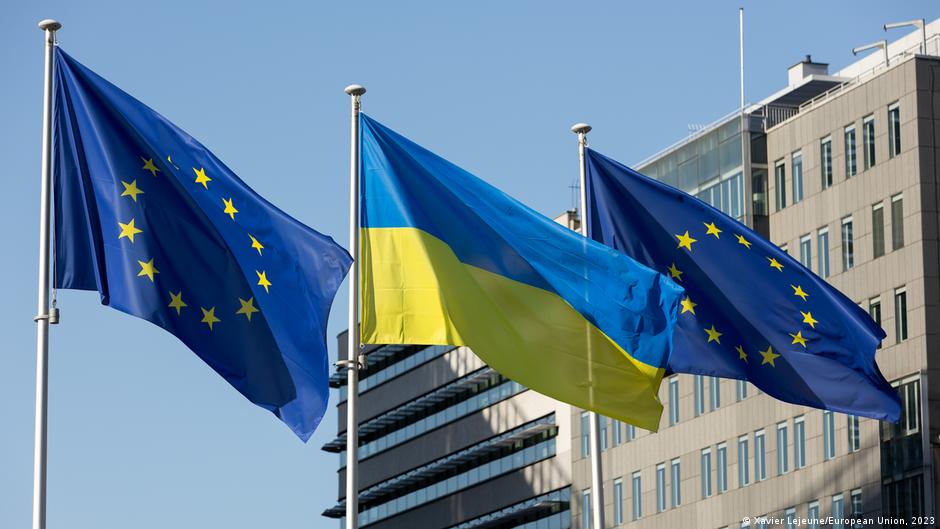
Finland’s foreign minister, Elina Valtonen, has urged European Union countries to stop issuing tourist visas to Russian citizens while Moscow continues its war against Ukraine, a move that would extend the bloc’s pressure campaign beyond trade, finance and energy into mobility and consumer access.
For investors, the proposal is not a market-moving shock on its own. But it reinforces a familiar theme across European assets: policy risk tied to Russia remains active, expandable and politically durable. That matters for companies exposed to cross-border travel, luxury spending, airlines, payments, tourism hubs and any sector still sensitive to sanctions headlines.
Valtonen said on X on Monday, October 12, that she had invited other EU member states to join her appeal to the European Commission on the issue. Her argument was political and moral, but the implications reach into markets that have spent more than two years repricing Russia-related exposure.
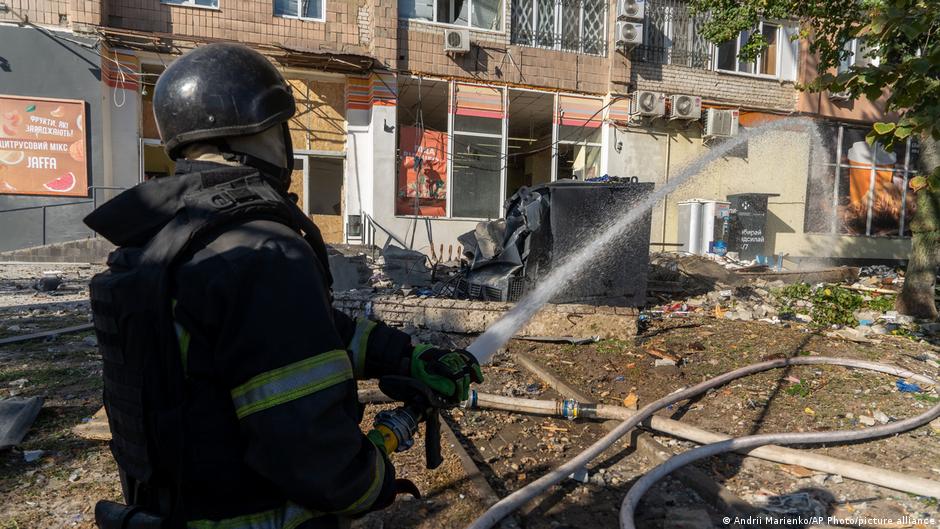
“It is wrong that Russians can travel to Europe to enjoy the lifestyle and freedoms here while their country bombs the homes of Ukrainians,” Valtonen said.
She added that Finland had banned visas for Russians traveling for non-essential purposes in 2022, and argued that the same policy should now be adopted at the EU level.
Visa Policy Adds to Sanctions Watchlist
Valtonen also called for a ban on issuing Schengen visas to people belonging to the close circle of Russian President Vladimir Putin, restrictions on visas for Russian athletes, and effective enforcement of visa bans on Russian participants in the war against Ukraine. “EU countries must act together,” she said.
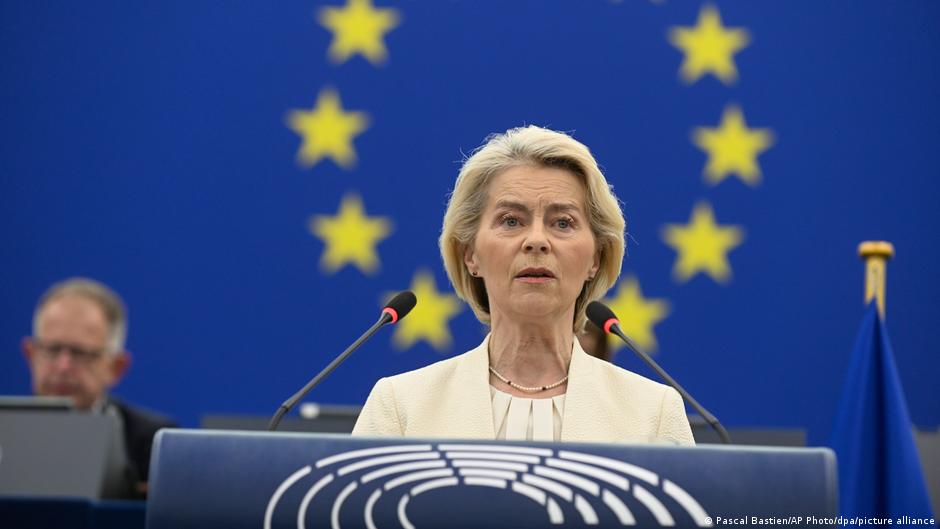
The push comes as European officials continue to weigh how far to tighten measures against Moscow in response to the war and what EU officials have described as hybrid attacks. In September, EU foreign policy chief Kaja Kallas said the bloc should toughen restrictive measures against the Kremlin, including by reducing the number of tourist visas.
Estonia has also advocated a visa ban for former Russian participants in the war against Ukraine, a measure later supported by other countries in the Baltic region and Northern Europe. The emerging alignment among northern and eastern EU members suggests that visa restrictions are likely to remain on the policy agenda, even if unanimity across the bloc is more difficult to secure.
From a capital markets perspective, the issue is best read as part of the broader sanctions complex rather than as a standalone economic event. Visa bans do not directly affect sovereign bond issuance, central bank policy or corporate earnings in the same way as energy sanctions, asset freezes or financial-sector restrictions. Still, they contribute to the cumulative tightening of Europe’s relationship with Russia, and that cumulative effect is what investors tend to price over time.
Equity investors may look most closely at travel-linked names, airport operators and luxury groups, although Russian tourist flows into Europe have already been sharply constrained since the full-scale invasion of Ukraine and the subsequent reduction of air links, banking access and visa availability. Any EU-wide measure would therefore be less about opening a new economic front than formalizing and broadening restrictions that some member states, including Finland, have already applied nationally.
Bond markets are likely to treat the proposal as another signal that European governments remain willing to absorb some economic friction in pursuit of geopolitical objectives. That posture can influence fiscal expectations, defense spending assumptions and country-risk premiums, especially along the EU’s eastern flank. It also keeps sanctions implementation and enforcement in focus for compliance-sensitive investors and lenders.
Schengen Numbers Highlight the Political Pressure
In June, a group of EU countries issued a joint call to stop granting tourist visas to Russians. A letter signed by those countries said that in 2025 Russians had received 470,000 visas to visit 29 Schengen area countries, many of them allowing multiple entries, according to AFP.
That figure gives the debate a concrete scale. While tourist visa volumes are not large enough to determine the trajectory of European markets, they are politically visible and easy for governments to present as part of a broader effort to isolate Russia. Investors watching European policy should therefore treat the visa issue as an indicator of political momentum around sanctions rather than a direct earnings catalyst.
The timing also matters. According to information published on the Austrian parliament’s website, the EU Council is scheduled to discuss visa policy toward Russia on October 14. That meeting could clarify whether Valtonen’s proposal remains a regional initiative led by Finland, Estonia and like-minded northern and Baltic countries, or whether it is moving closer to a bloc-wide framework.
For today’s markets, the immediate takeaway is continuity rather than rupture. Europe’s Russia policy remains on a tightening path in several areas, and mobility restrictions are now part of that debate. The likely investor response is not broad risk-off trading, but closer attention to companies and assets where sanctions, travel rules or compliance obligations can alter revenue assumptions, operating costs or legal exposure.
The more important market signal is strategic: Europe is still prepared to use regulatory access to its territory, markets and institutions as leverage. That keeps geopolitical policy at the center of the investment case for sectors tied to Russia, Ukraine, border economies and the wider European security environment.