Trump Says Putin More Interested Than Zelensky in Ukraine Peace Deal
The comments put renewed investor focus on geopolitical risk, energy infrastructure and the policy path for U.S. pressure on Russia.
U.S. President Donald Trump said Russian President Vladimir Putin is more interested than Ukrainian President Vladimir Zelensky in reaching a peace agreement over Ukraine, even as questions persist over Russia’s continued attacks and an announced pause on strikes against energy infrastructure.
Speaking to reporters overnight into Tuesday, October 13, Trump was asked how he assessed Putin’s willingness to compromise while Russia continues to attack Ukraine. “I think they will make a deal. I really think Putin is more interested than Zelensky in getting a deal done,” Trump said, according to the source account.
The remarks land in a market environment where investors continue to treat the war as a persistent source of geopolitical risk. Energy infrastructure, sanctions policy, defense spending and the outlook for European growth remain part of the broader investment calculus, even when immediate asset-price reactions are not specified in the source material. For capital markets, the key issue is not only whether diplomatic language changes, but whether it is followed by verifiable de-escalation.
Energy ceasefire claims face scrutiny
Trump was also asked about Russia’s alleged violation of an energy ceasefire that he himself had announced. In response, the U.S. president said the matter should first be examined, adding that “there were violations on both sides.”
Pressed on how he intended to ensure that Putin complied with the energy truce, Trump said he believed Putin wanted an agreement and indicated that Zelensky would need to be persuaded to move toward one. That framing contrasts with Kyiv’s position, which has called on Washington to apply pressure on Moscow to make Russia observe the ceasefire in the energy sector.
“Much depends specifically on the position of the United States, so that de-escalation can actually work,” Zelensky wrote on Telegram.
Ukrainian President Vladimir Zelensky had earlier urged the United States to influence Russia so it would begin observing the energy-sector ceasefire. Speaking at the Warsaw Security Forum, Zelensky said Kyiv was waiting to see what concrete steps the Americans were prepared to take.
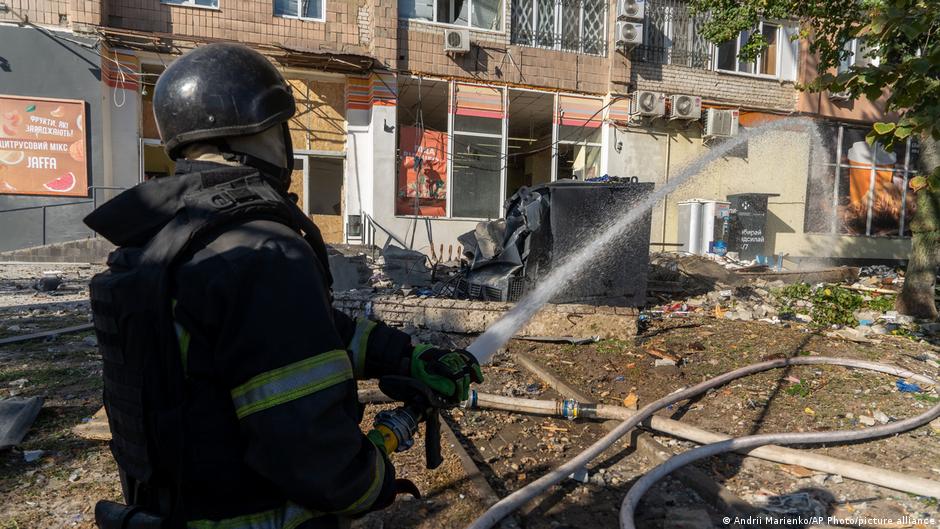
According to Zelensky, Ukraine was “very surprised” on October 11 by social media reports that all attacks on energy facilities in Russia’s war against Ukraine would be halted immediately. He said that shortly after the statement was published, Russia struck a thermal power plant in Kharkiv, causing additional damage to Ukraine’s energy system.
Zelensky later wrote on Telegram on the evening of October 12 that Ukraine supported an energy ceasefire and that its position was “absolutely clear”: Kyiv was ready to guarantee such a ceasefire as announced by the U.S. president, while Russia needed to take corresponding steps. He said Ukraine was not currently recording Russian compliance with the conditions voiced by Trump.
Investor focus turns to policy credibility
For investors, the episode reinforces the difficulty of pricing diplomatic headlines without measurable changes on the ground. A durable pause in attacks on energy infrastructure could matter for risk sentiment, particularly in European markets exposed to energy costs, reconstruction spending, regional security risk and the fiscal burden of continued support for Ukraine. But the source article provides no evidence of a verified ceasefire taking hold.
That distinction matters across asset classes. Equity investors typically look for signs that geopolitical tensions are easing in ways that could reduce uncertainty for energy-intensive companies, industrial supply chains and regional banks. Bond investors, meanwhile, often assess whether geopolitical de-escalation could influence inflation expectations, sovereign borrowing needs or central bank policy assumptions. In this case, the factual record in the source points to competing political narratives rather than a confirmed reduction in military activity.
Trump’s comments also leave open questions about the future direction of U.S. policy. Zelensky’s statements emphasize pressure on Russia and ongoing talks with the American side “at all levels.” Trump’s remarks, by contrast, place more emphasis on his belief that Putin wants an agreement and that Zelensky must be persuaded toward one. That divergence is likely to be watched by investors trying to assess whether Washington’s approach will lean more heavily toward sanctions pressure, diplomatic mediation or conditional support tied to negotiations.
The immediate market significance is therefore less about a single headline and more about the credibility of the process around it. If an energy ceasefire is announced but followed by reported strikes on critical infrastructure, investors may discount diplomatic claims until monitoring mechanisms or concrete enforcement steps become visible. Zelensky’s call for U.S. action underscores that Kyiv sees Washington’s role as central to whether de-escalation can function.
The source account does not report movements in equities, bonds, commodities or currencies following Trump’s remarks. Still, for market participants, the comments add to the policy uncertainty surrounding the war. Any sustained shift toward a peace deal could eventually affect defense equities, energy markets, European sovereign risk and reconstruction-linked investment themes. For now, however, the central facts remain political: Trump says Putin is more interested in a deal than Zelensky, Trump says violations of the energy truce occurred on both sides, and Zelensky says Russia has not met the conditions announced by the U.S. president.