US-Iran Tensions Escalate as Trump Threatens Oman Amid Strait of Hormuz Negotiations
Trump warns Oman of military action if it obstructs US-Iran talks over Strait of Hormuz, heightening risks in key oil transit route and market uncertainty.
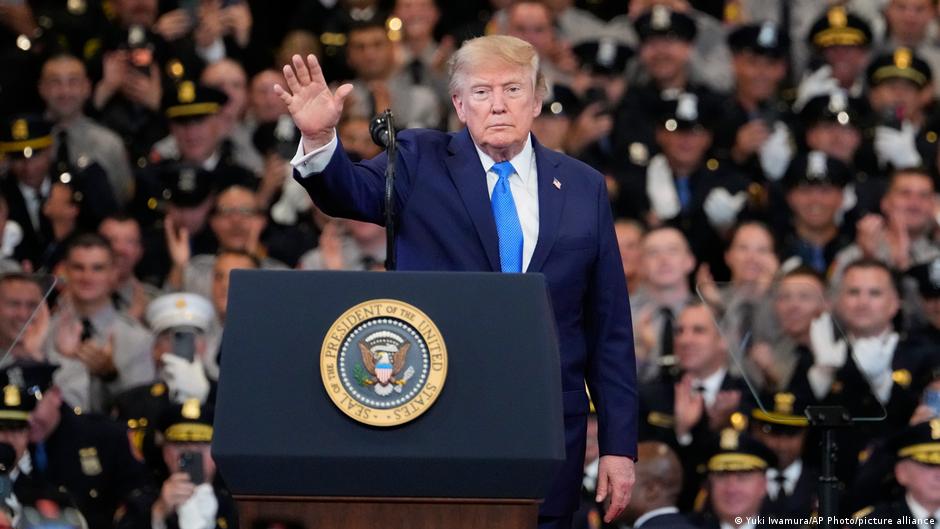
The already volatile geopolitical landscape surrounding Iran and the Strait of Hormuz intensified as former US President Donald Trump issued a stern warning to Oman on August 17, threatening military bombing if Oman interferes with ongoing negotiations between Washington and Tehran.
Oman, strategically located near the Strait of Hormuz—the critical maritime passage through which approximately one-fifth of global oil shipments flow—has been engaged in talks with Iran regarding joint control and management of shipping in the strait. These negotiations are pivotal for regional stability and global energy markets, yet consensus remains elusive.
Geopolitical Risks Roil Markets Amid Stalled US-Iran Talks
The warning came as a 60-day deadline expired for talks between the US and Iran, initially set by a Memorandum of Understanding signed by Trump during the G7 summit in June. The memorandum aimed to forge agreements on issues including sanctions, Iran's nuclear program, and broader regional security.
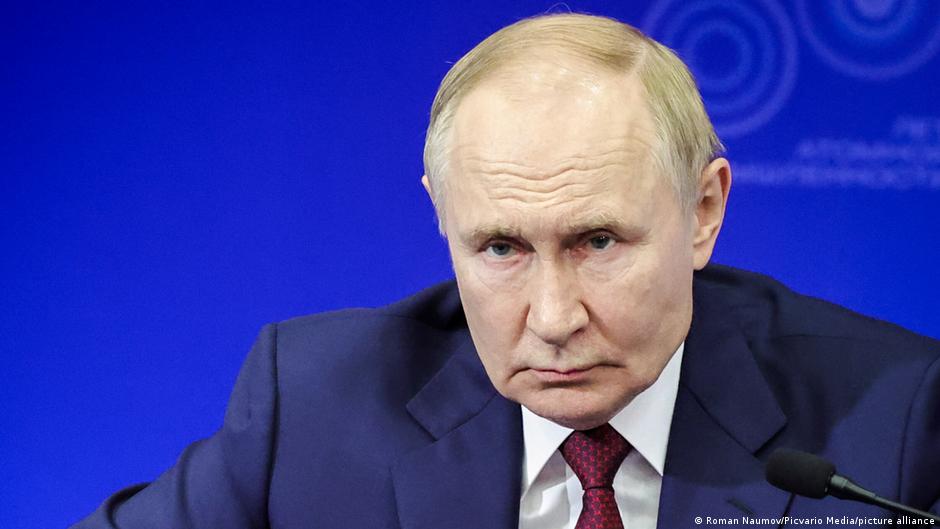
"If Oman interferes with the talks, the US will 'bomb the stupidity out of them,'" Trump declared during an interview with Fox News.
Trump also urged Iran to surrender and signaled no intent to extend the negotiation timeline, casting doubt on near-term diplomatic progress. Tensions have already escalated with renewed hostilities, including Iranian attacks on vessels in the Strait, and US airstrikes targeting Iranian assets aimed at curbing Tehran's ability to threaten commercial shipping.
Iran, in turn, has launched strikes against US military bases in neighboring Gulf countries, reflecting a dangerous cycle of military escalation. This conflict dynamic poses significant risk to oil supply routes, which has immediate implications for energy prices and capital markets globally.
On August 17, Turkish President Recep Tayyip Erdoğan contacted Trump, urging continued dialogue with Iran to de-escalate tensions. Erdoğan offered Ankara's mediation in hopes of stabilizing the region. Discussions between the two leaders also touched on the Gaza conflict, a defense pact involving Turkey and regional allies, and bilateral US-Turkey relations.
Market Implications for Investors
The Strait of Hormuz is a vital chokepoint for about 20% of global oil exports, making its stability paramount for energy markets and investor confidence. The recent threats and military actions have already triggered price volatility in crude oil futures and regional equities sensitive to geopolitical risks.
Investors in energy sectors must weigh the potential for supply disruptions against broader market dynamics, including OPEC+ production decisions and global demand recovery trends. Meanwhile, bond markets, particularly sovereign debt in the Gulf region, may face increased risk premiums amid heightened security concerns.
Financial markets typically react negatively to such escalations, with risk aversion pushing investors toward safe-haven assets like US Treasuries and gold. Equities in energy-producing nations or companies with significant Middle Eastern exposure may experience increased volatility.
Going forward, investors should monitor diplomatic developments closely. Any breakthrough in Oman-Iran coordination or renewed US-Iran talks could ease market tensions, while continued hostilities risk further disruption to oil supply chains and global financial markets.