Russian Strikes Hit Ukraine Regions as Power Curbs Add Market Risk
Attacks on Kyiv, Odesa, Sumy and energy assets point to renewed infrastructure pressure with implications for business activity and investor risk pricing.
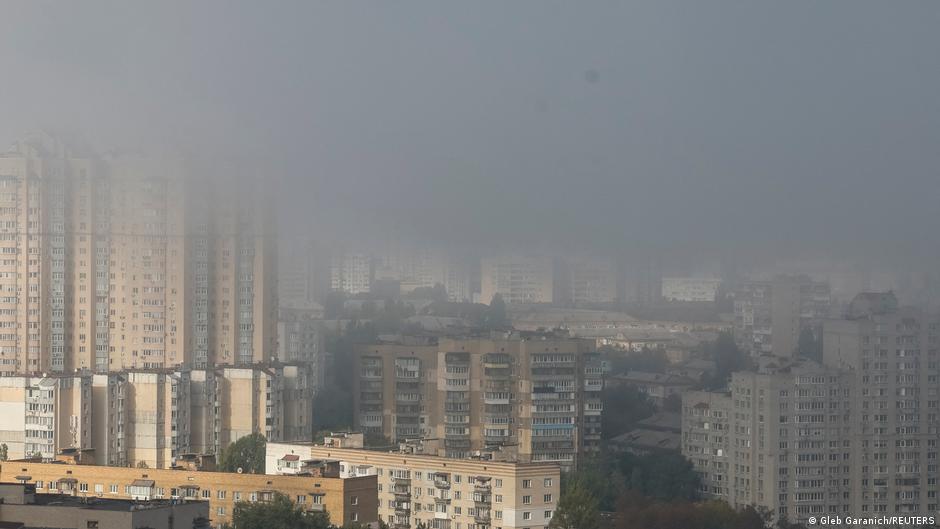
Russian forces carried out another wave of attacks on Ukrainian regions on the evening of Wednesday, September 30, damaging buildings, business premises and residential property while prompting fresh restrictions on electricity consumption. For investors tracking Ukraine exposure, regional security risk and the broader cost of war across European markets, the latest strikes add a familiar but still material pressure point: disruption to infrastructure, business continuity and power supply.
Local authorities, Ukraine’s State Emergency Service and media reports said damage was recorded in three districts of Kyiv. In Odesa, a drone struck a business center. Sumy was hit by guided aerial bombs, with at least six people reported injured. The attacks also affected several districts of the Kyiv region, where residential buildings, vehicles and an educational facility were damaged.
From a capital markets perspective, the immediate issue is not only the physical damage reported by authorities, but the operational uncertainty created by attacks on energy infrastructure. Ukraine’s national power company, Ukrenergo, said electricity consumption limits would be introduced in some regions on October 1 because of a difficult situation in the power system. Such restrictions can affect industrial output, logistics, retail activity and corporate cash flows, all of which matter to investors assessing Ukrainian sovereign and corporate risk.
Damage Across Kyiv, Odesa and Sumy
Kyiv Mayor Vitali Klitschko said on Telegram that, in the Obolonskyi district of the capital, a drone hit warehouse facilities. In the Holosiivskyi district, debris from an unmanned aerial vehicle fell on open ground near a road, causing trees to catch fire.
According to the UNIAN news agency, a Russian drone struck a multi-story residential building in Kyiv’s Solomianskyi district. The main damage was reported at a cafe on the ground floor. The blast wave and debris also damaged a number of other establishments, apartment windows and cars parked nearby.
In Odesa, a drone hit a business center, according to the reports cited in the source account. The strike on a commercial property is relevant for investors because it underscores the vulnerability of urban business infrastructure, not only military or industrial assets, during repeated drone attacks.
Even when damage is localized, repeated attacks can influence how companies price insurance, plan staffing, manage inventories and assess whether to defer investment. For listed companies, lenders and bondholders, that kind of operational friction can become part of the risk premium attached to Ukraine-related exposure.
Kyiv Region Reports Wider Property Damage
The evening attacks also caused damage in five districts of the Kyiv region, according to Timur Tkachenko, head of the Kyiv Regional Military Administration, writing on Telegram. He said a woman was injured in the Boryspil district as a result of the enemy attack.
“As a result of the enemy attack in the Boryspil district, a woman was injured,” Tkachenko wrote.
Several residential buildings and cars were also damaged in the Bucha, Obukhiv, Fastiv and Bila Tserkva districts, Tkachenko said. In Bila Tserkva, the building of an educational institution was also damaged, according to the regional administration head.
Russian forces also struck Sumy with guided aerial bombs, the Main Directorate of the State Emergency Service in the Sumy region said on Facebook. Preliminary data indicated that six people were injured. Private and apartment residential buildings were damaged in the city, and the roof of one building caught fire.
For markets, the Sumy attack adds to evidence that the risk map for Ukraine remains broad. Investors in sovereign debt, reconstruction-linked assets and companies with supply chains tied to Ukraine must account for disruption not only in the capital and major ports, but also in regional cities exposed to air attacks.
Power Restrictions Raise Business Continuity Concerns
The most direct market-relevant development came from Ukrenergo, which said in an evening Facebook post that measures to limit electricity consumption were being introduced because of Russian attacks on energy facilities. The company said that, due to the difficult situation in the energy system, restrictions would be applied in certain regions of Ukraine on October 1.
For industry and business, power limitation schedules would apply from 8:00 a.m. to 9:00 p.m., according to Ukrenergo. Hourly outage schedules for all categories of consumers would apply from 8:00 a.m. to 11:00 a.m. and again from 4:00 p.m. to 9:00 p.m.
In Kyiv and three other Ukrainian regions, local authorities had already applied emergency power outage schedules on September 30. Those measures signal immediate strain on the grid and raise the prospect of additional costs for businesses that depend on backup generation, flexible production schedules or alternative logistics planning.
For equity investors, power curbs can matter through margins, revenue timing and asset utilization. For bond investors, they can feed into assessments of fiscal pressure, reconstruction needs and the ability of companies or public entities to maintain predictable cash flows. For currency and rates markets, the broader concern is whether recurring infrastructure attacks add to financing needs or complicate the path for economic stabilization.
The latest attacks do not by themselves define a new market trend, but they reinforce an existing one: Ukraine’s infrastructure risk remains active, measurable and relevant to pricing. Investors watching the region today are likely to focus on whether electricity restrictions remain temporary, whether further energy assets are hit, and how quickly authorities can restore stable supply to affected areas.