US-Iran Negotiations Resume Amid Market Uncertainty Following US Military Restraint
President Trump announces new phase of US-Iran talks starting August 3, after postponing military strikes to favor diplomacy.
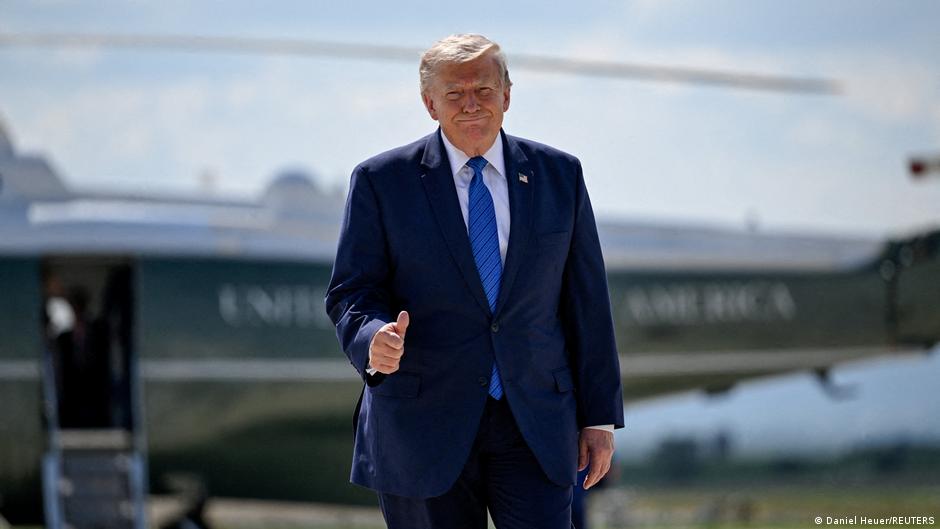
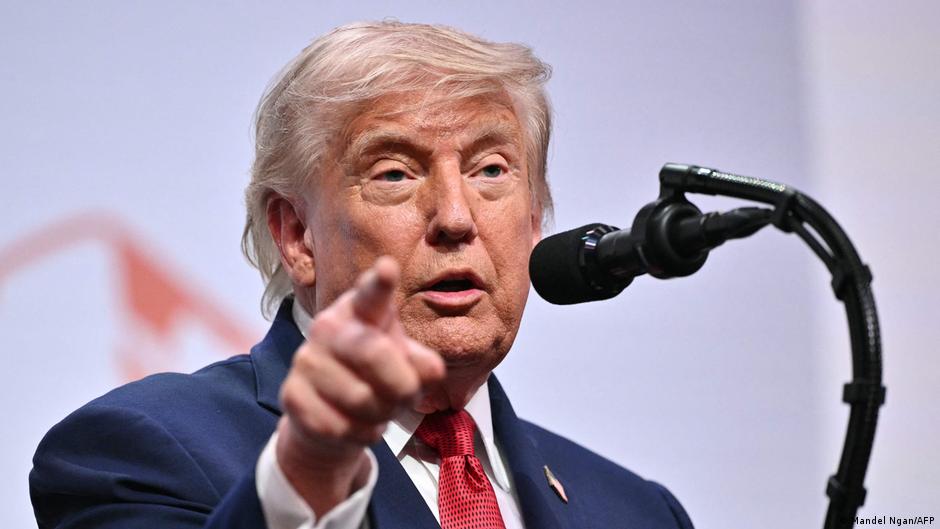
President Donald Trump has announced that a new phase of negotiations between Washington and Tehran will commence on Monday, August 3. This development follows a recent decision by the White House to postpone planned military strikes against Iran, citing agreed parameters of a potential diplomatic deal.
Market Reactions to Diplomatic Developments
The announcement of resumed talks has injected a degree of caution and optimism into capital markets, which have been closely monitoring US-Iran tensions. Investors are weighing the potential for reduced geopolitical risk against the uncertainties that still surround the deal’s scope, especially concerning Iran's nuclear program and the strategic Strait of Hormuz.
"This decision to delay military action and pursue diplomacy could ease volatility in both equity and bond markets, but investor vigilance remains high," said a market analyst.
Following the news, equities in sectors sensitive to Middle East tensions, such as oil and defense, experienced mixed movements. Oil prices have seen some downward pressure amid hopes for decreased conflict risk, while defense stocks edged lower given the postponement of military action. Meanwhile, sovereign bond yields, particularly US Treasuries, saw a slight decline as investors sought safe-haven assets amid the evolving geopolitical landscape.
Implications for Investors
President Trump emphasized that the US military was prepared to launch unprecedented military pressure, noting it would have been the most significant since World War II. However, he chose to prioritize diplomacy, stating, "I would prefer to make a deal. I don’t like killing people." The White House has indicated that it may still resume military strikes if negotiations fail to produce an acceptable outcome.
This dynamic creates a complex risk environment for global investors. While the postponement of conflict reduces immediate downside risk for markets, the potential for sudden escalation remains a key concern. Investors with exposure to emerging markets in the Middle East, energy commodities, and defense sectors should monitor developments closely.
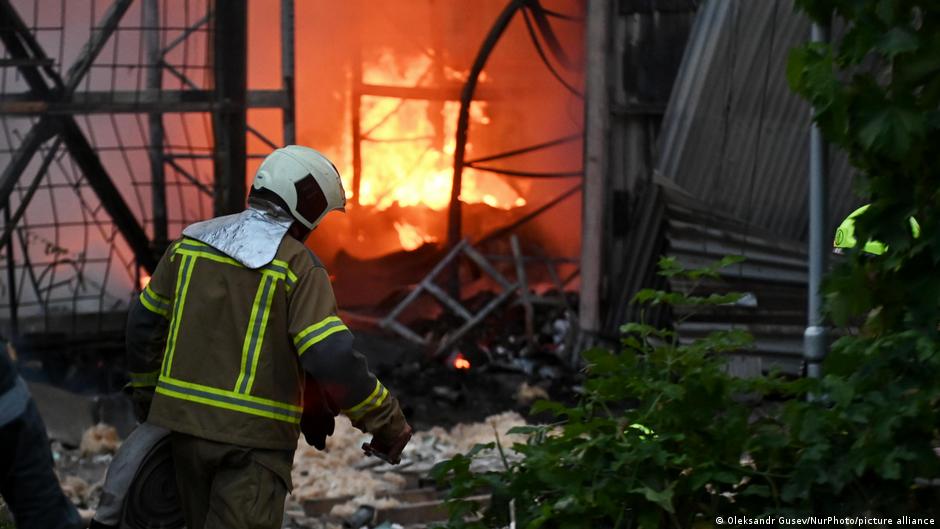
Earlier, in June 2026, the US and Iran signed a memorandum of understanding aimed at ceasing hostilities for 60 days and initiating peace talks. However, subsequent US attacks on Iranian Revolutionary Guard Corps targets, including strikes on command centers and missile launch sites on July 30, have kept tensions elevated. Notably, a missile strike reportedly hit a residential area on Qeshm Island, resulting in civilian casualties, which adds a humanitarian dimension to the geopolitical risks.
Capital markets remain sensitive to these shifts, with investors recalibrating their portfolios based on the balance between diplomatic progress and the risk of renewed military conflict.
In summary, the announcement of resumed US-Iran negotiations introduces a cautious optimism to capital markets, though the situation remains highly fluid. Investors should maintain active risk management strategies amid ongoing uncertainties related to Middle East geopolitical risks.