Fed Raises Rates for First Time in Three Years, Testing Markets
The Federal Reserve lifted its benchmark rate to 3.75%-4.00%, putting inflation risks back at the center of investor positioning.
The Federal Reserve raised the federal funds rate by 25 basis points to a range of 3.75% to 4.00% on Wednesday evening, September 16, marking its first rate increase in three years and immediately refocusing financial markets on the cost of capital, inflation risk and the outlook for U.S. assets.
The decision was justified by the Fed as a response to persistently elevated inflation in the United States. For investors, the move changes the near-term balance across equities, bonds and credit: higher policy rates tend to increase discount rates for stocks, lift yields across parts of the Treasury curve and raise financing costs for households and companies.
The increase follows a period of easing. Before Wednesday's move, the Fed had cut rates three times in 2024 and three times in 2025. The reversal was unanimous: all 12 members of the Federal Open Market Committee voted in favor of the hike, according to the publication.
Inflation Reclaims the Market Narrative
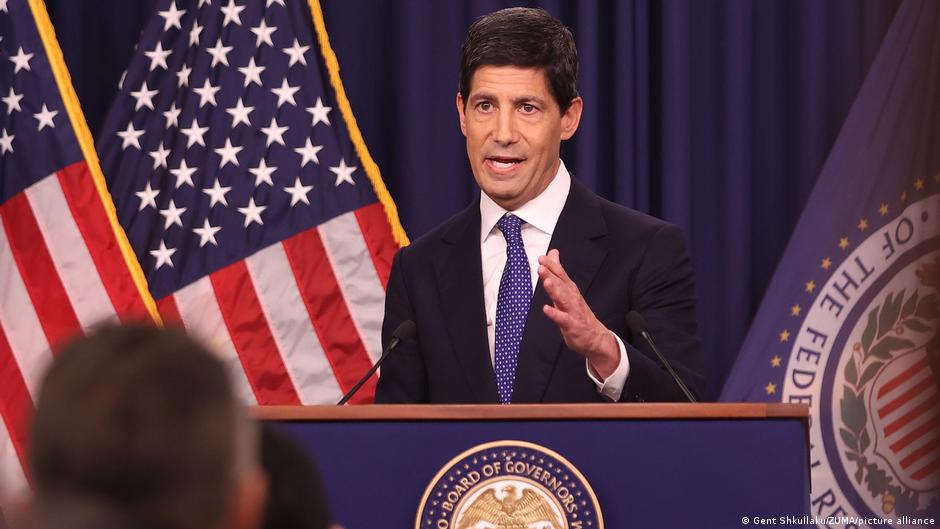
Fed Chair Kevin Warsh framed the decision as a direct response to inflation, emphasizing that the central bank's price-stability mandate had become the dominant concern.
“Our primary focus within our mandate is on ensuring price stability. Quite simply, inflation is too high, and it has been going on for too long; that is a fact.”
Warsh said at the September 16 press conference that U.S. inflation has exceeded the Fed's 2.0% target for five years. In July and August of this year, inflation stood at 3.4%. That backdrop makes the rate increase especially important for capital markets, because it signals that policymakers are willing to tighten policy even after a long sequence of cuts if inflation remains above target.
Unlike the European Central Bank in Frankfurt am Main, the Federal Reserve operates under a dual mandate: price stability and a strong labor market. That distinction matters for investors because the Fed must balance inflation control against the risk of slowing employment conditions. Wednesday's unanimous vote suggests that, at least for now, the committee judged inflation to be the more pressing threat.
For bond markets, the decision reinforces upward pressure on short-term rates and may prompt investors to reassess expectations for the path of future policy. A higher federal funds rate typically filters quickly into money-market instruments and short-dated Treasury yields. Longer-dated bonds may react more cautiously, depending on whether investors believe tighter policy will slow growth and eventually bring inflation down.
Equity investors face a more complicated calculation. Higher rates can weigh on valuations, particularly for companies whose expected cash flows lie further in the future. At the same time, a forceful inflation response can support confidence if markets conclude that the Fed is protecting purchasing power and preventing a more damaging inflation spiral. The immediate question for portfolio managers is whether the move represents a one-off correction after prior easing or the start of a broader tightening cycle.
Politics Adds Another Risk Layer
The rate increase also lands in a politically charged environment. Warsh was nominated as Fed chair by U.S. President Donald Trump and took office in mid-May. From 2006 to 2011, he served on the Federal Reserve Board of Governors. Earlier in his career, he worked as a banker at Morgan Stanley, specializing in mergers and acquisitions, and advised Trump on economic policy.
Trump had expected Warsh, as Fed chair, to preserve low interest rates, which among other effects would have made real-estate loans more affordable. But the war by the United States and Israel against Iran, underway since late February, has sharply increased energy prices and, in turn, fueled inflation, according to the account in the source article.
That energy-price channel is central for markets because it can pressure both consumers and corporate margins. Higher electricity costs can feed through production chains, complicating the investment outlook for energy-intensive industries while also reducing household spending power. If inflation is being driven by supply shocks as well as domestic demand, investors may question how much additional monetary tightening can achieve without inflicting broader economic damage.
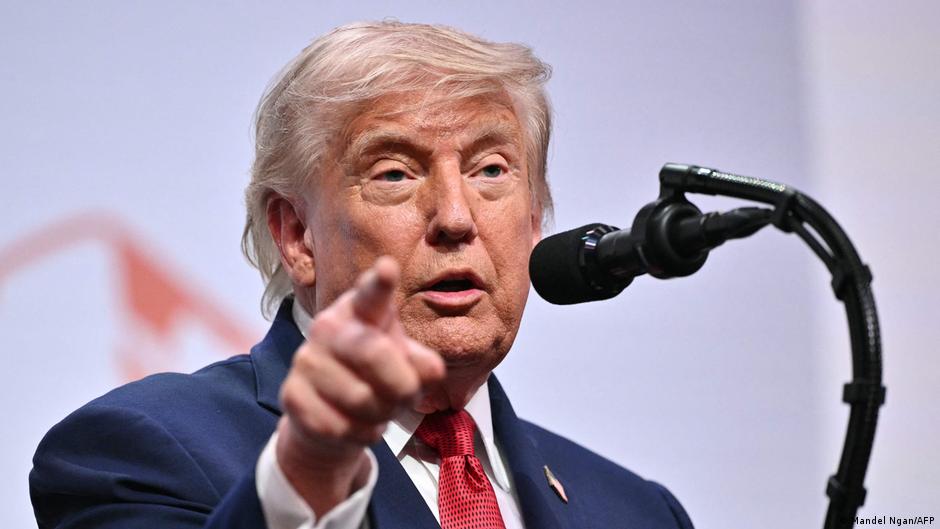
Trump sharply criticized the FOMC's decision to raise the key rate, saying it was driven by “political motives.” Speaking to reporters in North Carolina on September 16, he said Warsh was “a good man,” but argued that regardless of how well he performed, he had to deal with hostile leadership.
“They are raising the key rate to do as much harm as possible to Trump. That is, they are raising it for political reasons.”
The criticism highlights another variable for investors: central bank independence. Markets generally prefer predictable monetary policy grounded in inflation and employment data. Open political pressure on the central bank can raise uncertainty around the future policy path, especially if investors begin to price in tension between the White House and the Fed over rates.
For now, the market implications are straightforward but not simple. Cash and short-duration fixed income may look more attractive as policy rates rise. Longer-duration bonds remain sensitive to whether inflation expectations stabilize or whether investors demand higher yields as compensation for persistent price pressures. Equities must absorb a higher discount-rate environment while also watching whether the rate hike slows consumer demand, housing activity and corporate borrowing.
The Fed's move does not by itself define the next phase of the cycle. But it does mark a clear turning point after six rate cuts across 2024 and 2025. With inflation still at 3.4% in July and August and above target for five years, the central bank has placed price stability back at the center of the market conversation. Investors now have to position for a Fed that is no longer simply supporting lower borrowing costs, but actively leaning against inflation even amid political resistance.