NATO Signals Readiness Amid Iranian Threats Targeting European Military Sites
NATO vows strong deterrence after reports of Iranian plans to strike bases in Bulgaria and Cyprus, impacting investor risk assessments in Europe.
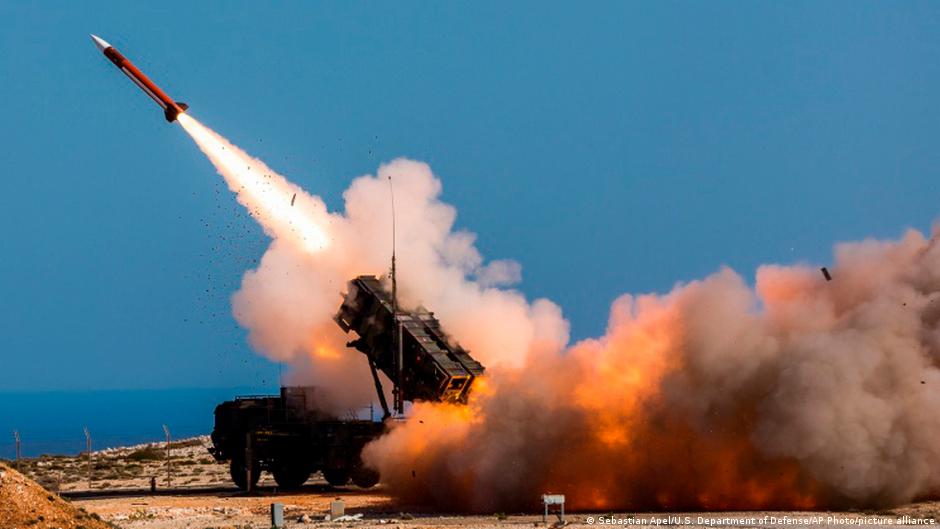
Following media reports indicating potential Iranian military strikes on European soil, NATO has affirmed its preparedness to respond decisively to any threats against its member states. This development adds a layer of geopolitical risk that investors and capital markets must now factor into their strategies, particularly regarding equities and bonds in the affected regions.
Market Implications of Heightened Geopolitical Tensions
According to an unnamed NATO official, the alliance's deterrence and defense strategy remains robust and effective amid reports that Iran is considering attacks on military installations in Bulgaria and Cyprus. Bulgaria had recently granted the United States authorization to use its airbase for refueling operations, while Cyprus hosts British air bases, making both countries potential targets in Iran's strategic calculations.
"Our strategy of deterrence and defense is strong and effective," a NATO representative emphasized, underscoring the alliance's commitment to protect its members.
The geopolitical tensions have surfaced following reports from the Financial Times that Iran might target European military facilities in response to escalating conflicts with the U.S. Additionally, The New York Times reported that Iran considered but ultimately refrained from attacking a Ukrainian port, which was linked to retaliation for a Ukrainian strike on an Iranian vessel in the Caspian Sea.
While Tehran has not officially commented on these latest threats, a senior Iranian military official, General Ali Abdollahi Aliabadi, issued warnings to Gulf States cooperating with the U.S., accusing them of facilitating attacks on Iranian territory. This rhetoric followed the United Arab Emirates' recent suspension of all trade, commercial, and financial exchanges with Iran after alleged Iranian missile launches targeting its shipping lanes, claims Tehran denies.
For capital markets, these developments inject uncertainty into European security dynamics, potentially influencing investor confidence, especially in equities tied to defense sectors and sovereign bonds of countries perceived at risk. Elevated geopolitical risk often leads to volatility in financial markets, impacting asset valuations and capital flows.
Investors should monitor NATO's strategic responses and any escalation in Iran's military posture, as these factors could trigger market corrections, flight to safe-haven assets, and shifts in regional investment outlooks.
In summary, NATO's readiness to respond to Iranian threats underscores the alliance's commitment to collective security but also signals increased geopolitical risk for European markets, reinforcing the need for vigilant risk management by investors.