UAE Asset Unfreezing for Iran Sparks Market Speculation Amid Regional De-escalation Talks
Reports of UAE unfreezing billions in Iranian oil revenues trigger cautious investor response amid Middle East stability efforts.

Recent reports indicate that the United Arab Emirates (UAE) has agreed to unfreeze billions of dollars in Iranian oil revenues held in foreign banks, aiming to curb ongoing Iranian attacks on its territory. Although the UAE Foreign Ministry has officially denied these claims, the news has already influenced capital market sentiment, raising questions among investors about geopolitical risk and its impact on regional equities and bonds.
Market Reactions to the Reported Unfreezing of Iranian Assets
According to multiple sources cited by Reuters on June 12, the UAE allegedly decided to release tens of billions of dollars in Iranian funds blocked under U.S. sanctions. Estimates vary, with some sources mentioning $10 billion and others suggesting up to $20 billion could be involved. The initial tranche, reportedly exceeding $3 billion, may have already been transferred to Iran.
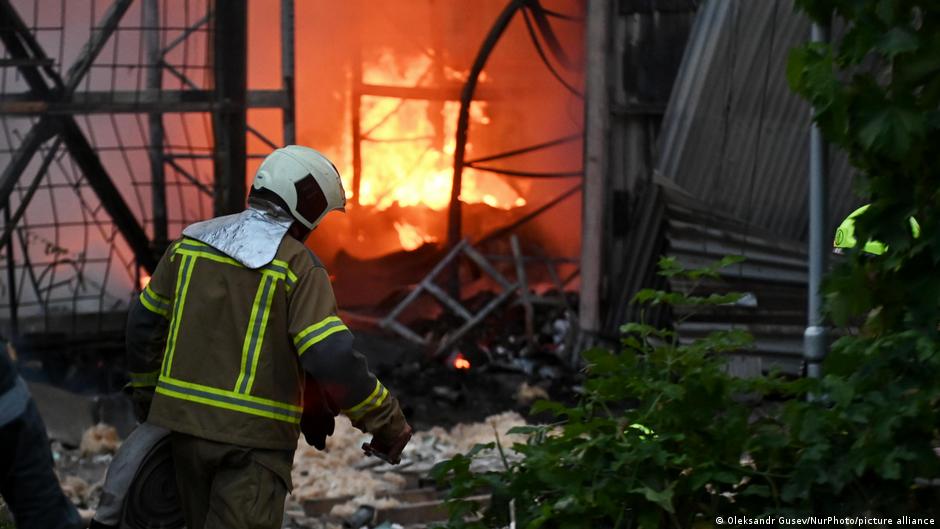
The decision reportedly aims at de-escalating tensions following a series of missile and drone attacks on the UAE, including a notable strike on the Fujairah port in early May.
From a capital markets perspective, this potential thawing of assets could reduce regional geopolitical risk premiums, affecting risk assessments for investors in Middle Eastern equities and bonds. A reduction in tensions tends to improve investor appetite, potentially lifting asset prices in affected markets.
However, the UAE Foreign Ministry promptly rejected the claims, describing them as "completely false and unfounded." This denial has led to volatility and uncertainty, with investors weighing the credibility of the reports amid ongoing diplomatic efforts.
Geopolitical Context and Investor Implications
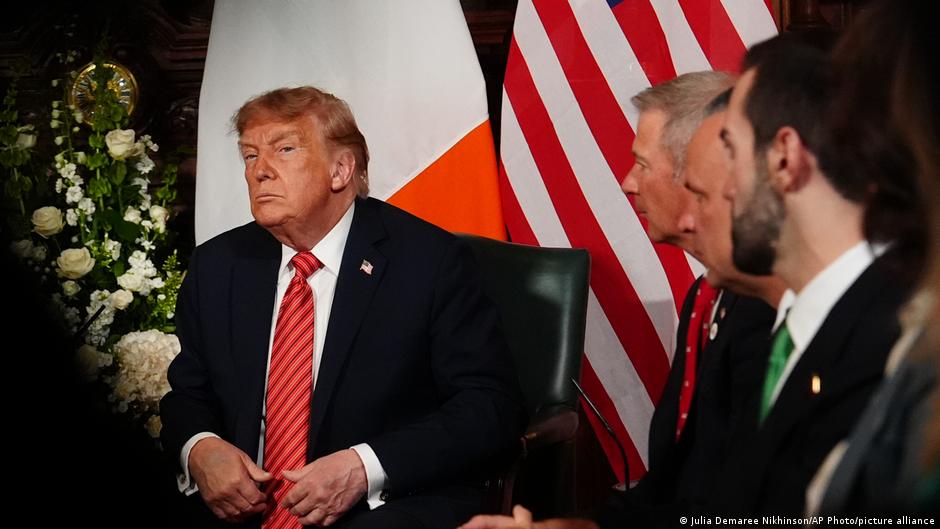
The background to these developments lies in the broader negotiations between the U.S. and Iran, with reports suggesting an 80-85% certainty of a near-term peace agreement. Pakistan’s Prime Minister, a key mediator, indicated that a final text has been agreed upon, signaling a potential breakthrough in regional stability.
If confirmed, these developments carry significant implications for capital markets. Improved relations could ease sanctions-related risks and restore Iranian oil supply flows, impacting global energy prices and related securities. Conversely, lingering uncertainty and political denials may sustain risk aversion among investors.
Market participants are advised to remain vigilant, closely monitoring official statements and further diplomatic progress, as these factors will directly influence equity valuations, sovereign bond spreads, and commodity prices in the Middle East.