US Humanitarian Aid to Cuba Amid Sanctions Raises Questions for Capital Markets
The $100 million US aid package to Cuba contrasts with sanctions and military threats, impacting investor sentiment in regional markets.
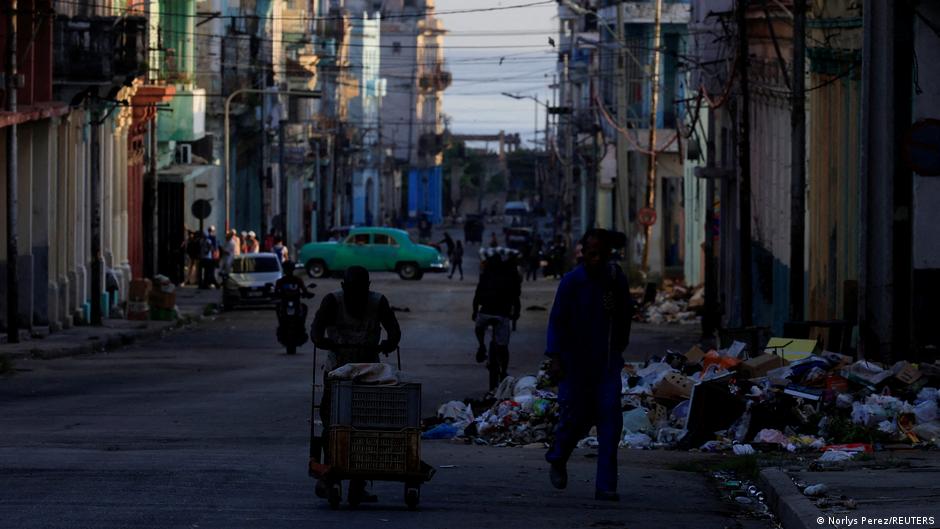
In a complex geopolitical move, the United States has dispatched its first plane carrying humanitarian aid to Cuba, marking the initial distribution of a new $100 million assistance package. This development unfolds amid heightened US sanctions targeting Cuban state-owned companies and discussions of potential military interventions, creating a nuanced environment for capital markets and investors focused on regional risk exposures.
Humanitarian Aid Amid Sanctions
The US Department of State announced on July 21 the start of delivering aid that includes food supplies and hygiene kits intended for approximately 700 Cuban families. The aid is being channeled through the Catholic Relief Services, a humanitarian organization with prior experience in delivering assistance to Cuba, including a $9 million package following Hurricane Melissa's devastation.
While the aid aims to alleviate immediate humanitarian needs, it occurs in the context of increased economic pressure. Since May, US authorities, including Secretary of State Marco Rubio, have emphasized a dual approach of aiding Cuban citizens while maintaining stringent financial sanctions against government-linked entities.
Cuba's initial skepticism regarding the aid—accusing the US of provoking electricity blackouts and artificial product shortages—gave way after negotiations with the Trump administration. This shift illustrates the delicate balance between humanitarian considerations and geopolitical strategy that investors must monitor closely.
Sanctions, Military Posturing, and Market Implications
"New US sanctions target five Cuban companies, including three linked to GAESA, which controls around 40% of Cuba’s GDP," said officials, highlighting the economic choke points under scrutiny.
Alongside humanitarian efforts, the US has intensified sanctions against Cuban companies, particularly those affiliated with the Grupo de Administración Empresarial S.A. (GAESA), a military-run conglomerate controlling an estimated 40% of Cuba's GDP and holding liquid reserves near $14.5 billion as of 2024. The sanctions also target family members of Cuba's leadership, signaling a hard line on the economic front.
Meanwhile, the US Department of Defense has reportedly considered several military scenarios, including deploying thousands of troops from the 101st Airborne Division. Although these plans have not progressed to final decisions—largely due to other global commitments like the conflict involving the US, Israel, and Iran—the mere possibility adds layers of uncertainty affecting regional stability.
From a capital markets perspective, these geopolitical tensions have complex ramifications. Investors monitoring equities and bonds linked to Cuba and broader Caribbean markets must weigh the potential for supply disruptions, economic instability, and sanctions spillover effects. The military posturing, though currently deemed unlikely to materialize imminently, underscores a risk premium embedded in asset prices.
Investor Considerations and Market Outlook
For equity investors, the sanctions against companies controlled by GAESA and its affiliates raise concerns about the valuation and liquidity of related assets. Bondholders exposed to Cuban sovereign or quasi-sovereign debt should consider the increased risk of fiscal stress stemming from restricted access to foreign capital and resources.
Moreover, the dual US strategy—combining humanitarian aid with financial sanctions—creates an atypical market narrative. While aid may temporarily ease humanitarian conditions, the broader economic constraints could undermine medium-term growth prospects, affecting investor confidence.
Capital markets participants should closely monitor forthcoming US policy adjustments, Cuban government responses, and any escalation in military rhetoric, as these factors will directly influence risk assessments and investment strategies in the region.