US Military Strike on Container Ship Reinforces Control Over Strait of Hormuz, Impacting Global Shipping Markets
US forces disabled steering of a Panama-flagged cargo vessel attempting to breach Iran blockade, underscoring geopolitical risks for investors and markets.
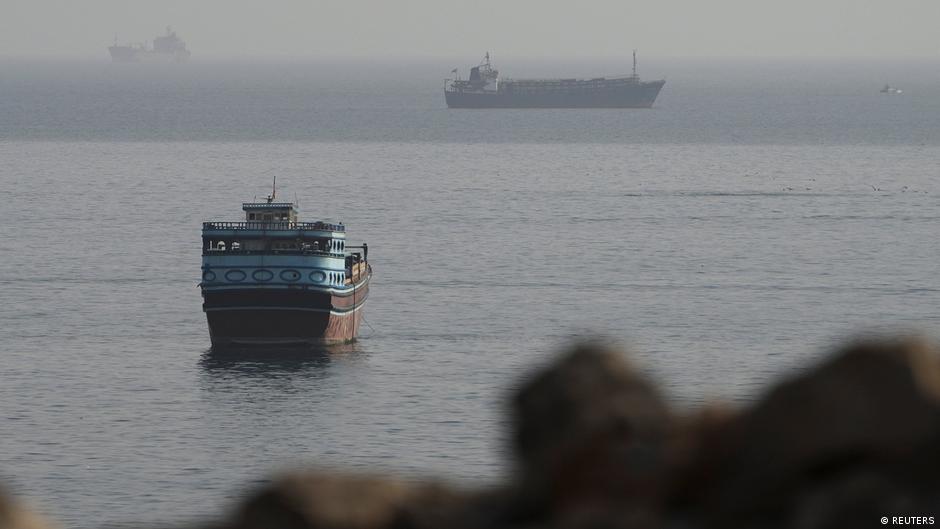
On August 11, US military forces launched a missile strike targeting the steering mechanism of the Panama-flagged container ship M/V Vela Nova, which attempted to violate the US-enforced blockade of Iran by trying to enter an Iranian port. This action highlights the ongoing tensions in the Strait of Hormuz, a critical chokepoint for global oil and cargo transport, with significant implications for markets and investors worldwide.
Heightened Maritime Tensions and Market Reactions
The US Central Command (CENTCOM) reported that after several warnings to the civilian crew were ignored, a US Navy MH-60 helicopter fired two Hellfire missiles disabling the vessel's maneuverability. This strike forms part of broader US efforts to maintain control of the Strait of Hormuz and prevent shipments from reaching Iran amidst escalating geopolitical friction.
"The situation with Iran is progressing well. We have full control over the Strait of Hormuz," affirmed President Donald Trump, emphasizing the US stance on securing this vital maritime route.
According to CENTCOM, as of August 11, the US has redirected 55 commercial ships attempting to breach the blockade, incapacitated three vessels, and boarded two others. The aggressive enforcement of the blockade sends a clear signal to global shipping companies about the risks of operating in this volatile region.
Data from maritime tracking service VesselFinder indicates that the last known position of Vela Nova was in the Indian port of Navi Mumbai on August 6, prior to the incident.
Implications for Investors and Capital Markets
The Strait of Hormuz is a strategic artery for approximately 20% of global oil trade, making any disruption a source of volatility in oil prices and related equity and bond markets. The recent military action and persistent uncertainty over Iran-US relations are likely to cause increased risk premiums on energy stocks and may prompt investors to seek safer assets.
Energy equities could experience heightened volatility, with potential for short-term price spikes in crude oil futures due to supply concerns. Similarly, sovereign and corporate bonds linked to the region or energy sector may face fluctuating yields as investors reassess geopolitical risk.
President Trump’s declaration that the US maintains full control over the strait aims to reassure markets; however, Iran’s recent demands, including war reparations and sanction relief as conditions for reopening the shipping lane, indicate persistent instability.
Investors should monitor these developments closely, as continued maritime confrontations may lead to supply chain disruptions, impacting global trade flows and adding pressure on commodity prices and market sentiment.