Strait of Hormuz to Reopen Immediately Following US-Iran Peace Memorandum, Pakistan Reports
Pakistan announces immediate reopening of Hormuz Strait after US-Iran memorandum, signaling potential easing of regional maritime tensions and impact on global markets.
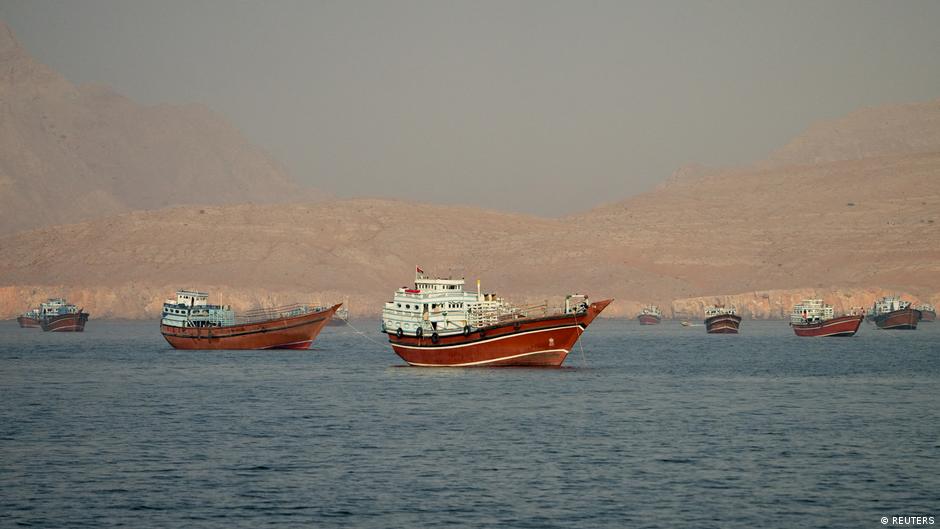
The Strait of Hormuz, a strategic maritime chokepoint for global oil shipments, is set to reopen immediately after the signing of a peace memorandum between the United States and Iran, according to Pakistan's Prime Minister Shahbaz Sharif. This development could have significant implications for global capital markets, particularly in energy equities and bond markets sensitive to geopolitical risk.
Immediate Market Implications of the US-Iran Memorandum
On June 17, the presidents of the US and Iran, Donald Trump and Masud Pezeshkian respectively, digitally signed a memorandum aimed at ending hostilities between the two countries. Pakistan, which has been mediating the negotiations, declared that the memorandum has already come into effect, prompting an immediate reopening of the Strait of Hormuz for navigation. Concurrently, the US is expected to lift the blockade on Iranian ports.
The Strait of Hormuz is critical to global oil markets, with an estimated one-fifth of the world’s petroleum passing through it daily. Any disruption traditionally spikes oil prices and causes volatility in energy stocks and related bond markets. Hence, the planned reopening could reduce geopolitical risk premiums currently priced into these assets.
Prime Minister Sharif confirmed via social media on June 18 that the corridor would open without delay. This announcement also included plans for a formal signing ceremony on June 19 in Switzerland, supported by Qatar. The ceremony aims to mark an important milestone and launch technical-level negotiations on a final peace agreement.
"This ceremony in the picturesque resort of Bürgenstock near Lucerne is designed to symbolize a crucial step forward and initiate technical negotiations on the definitive peace accord," Sharif said.
For investors, the de-escalation of tensions between the US and Iran and the guaranteed reopening of the Strait of Hormuz could translate to stabilizing oil prices and reduced volatility in related equity and fixed income markets. Energy companies, shipping firms, and emerging market funds with exposure to the region could see shifts in risk assessments and investment flows.
Bond markets may respond favorably as the risk of conflict premiums embedded in sovereign and corporate debt linked to the region dissipate. Similarly, equities in global energy sectors, particularly oil producers and maritime logistics operators, may benefit from improved supply chain certainty and potential cost reductions.
While the memorandum sets a 60-day window to finalize the terms of a comprehensive peace treaty, the immediate effects on market sentiment highlight the importance of geopolitical developments in shaping capital market dynamics.
Overall, this development is likely to be closely watched by market participants focusing on geopolitical risk and its impact on commodity prices, equity valuations, and credit risk spreads.