Zaporizhzhia Nuclear Plant Loses External Power for 23rd Time Amid Conflict
Repeated power outages at Zaporizhzhia nuclear plant raise concerns for energy markets and investor confidence amid ongoing conflict.
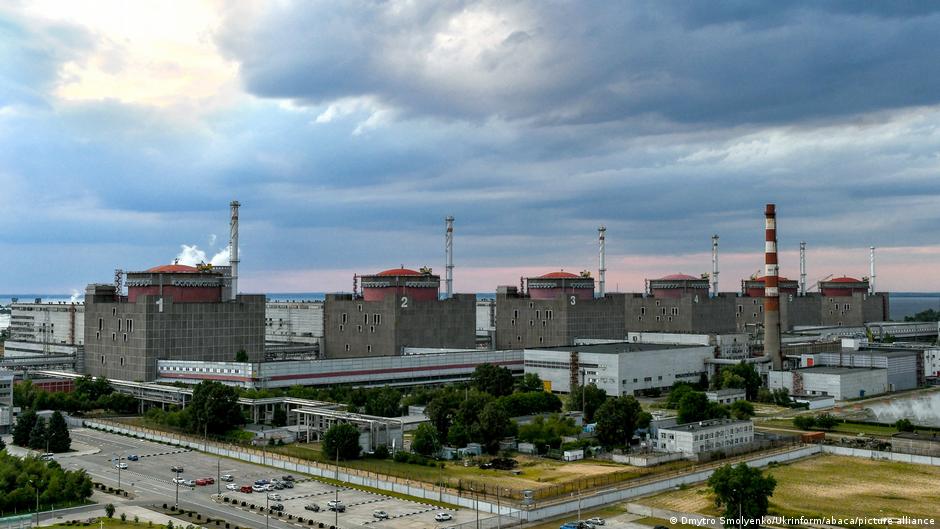
The Zaporizhzhia Nuclear Power Plant (ZNPP), the largest in Europe and currently under Russian control, experienced its 23rd loss of external electricity supply since the full-scale invasion of Ukraine began. This incident underscores ongoing operational risks at the facility and adds complexity to regional energy markets and investor sentiment.
Implications of Repeated Power Outages on Energy Security and Markets
On August 1, the International Atomic Energy Agency (IAEA) reported that the ZNPP had lost external power once again, forcing the plant to rely on emergency diesel generators for nearly two hours to maintain critical cooling systems for reactors and other key infrastructure. The IAEA’s Director General, Rafael Grossi, noted they have yet to determine the cause of the latest outage involving the final remaining external power line.
Such interruptions at a major nuclear facility not only elevate nuclear safety risks but also introduce volatility in regional electricity supply. Given that Ukraine’s electricity grid is already strained due to the ongoing conflict, disruptions at ZNPP affect the stability of power availability in southern Ukraine and adjacent markets.
"Emergency diesel generators sustained cooling systems for nearly two hours during the latest power loss, highlighting the fragility of external supply to the plant," said IAEA officials.
From a capital markets perspective, the uncertainty surrounding the plant’s operational stability has ripple effects on energy equities and bond markets. Investors weighing exposure to Ukrainian and regional energy sectors must factor in geopolitical risks that could disrupt supply chains and revenue streams.
Moreover, the increasing military activity near Zaporizhzhia and the nearby city of Enerhodar—home to many plant staff—compounds risks, with reports of internet outages and water supply issues adding to operational challenges. Any escalation could prompt further market volatility and investor caution.
Russian Infrastructure Developments and Market Considerations
Since April 2022, the plant has been under Russian military occupation. Satellite imagery analysis by Greenpeace Ukraine reveals ongoing construction of high-voltage power lines along the M18 corridor, connecting Russian-controlled cities Melitopol and Henichesk. This infrastructure appears intended to link the ZNPP to the power systems of annexed Ukrainian territories including Crimea, as well as southern Russian regions.
Greenpeace nuclear energy analyst Jan Vande Putte suggests that Russia’s state nuclear corporation, Rosatom, views the ZNPP as a cost-effective alternative to building new reactors in Russia’s Rostov and Krasnodar regions. Such a strategy could have long-term implications for energy supply dynamics in the Black Sea region and influence investor assessments of regional energy infrastructure investments.
However, Ukrainian drone strikes on a substation in Henichesk in early July 2023 temporarily disrupted Russian plans to integrate ZNPP into their grid, illustrating ongoing operational vulnerabilities rooted in the broader conflict.
For investors, these developments highlight elevated geopolitical and operational risks associated with energy assets in conflict zones. Volatility in energy supplies can trigger price swings in electricity markets, impact related equities, and affect bond valuations tied to energy infrastructure projects.
Market participants should monitor further IAEA reports and conflict developments closely, as extended outages or damage to the plant could trigger broader energy supply shocks and increase risk premiums across affected markets.