Reports of War Crimes Against Ukrainian POWs Impact Investor Confidence Amid Conflict
Allegations of Russian forces executing Ukrainian prisoners raise geopolitical risks, influencing market volatility and investor sentiment.
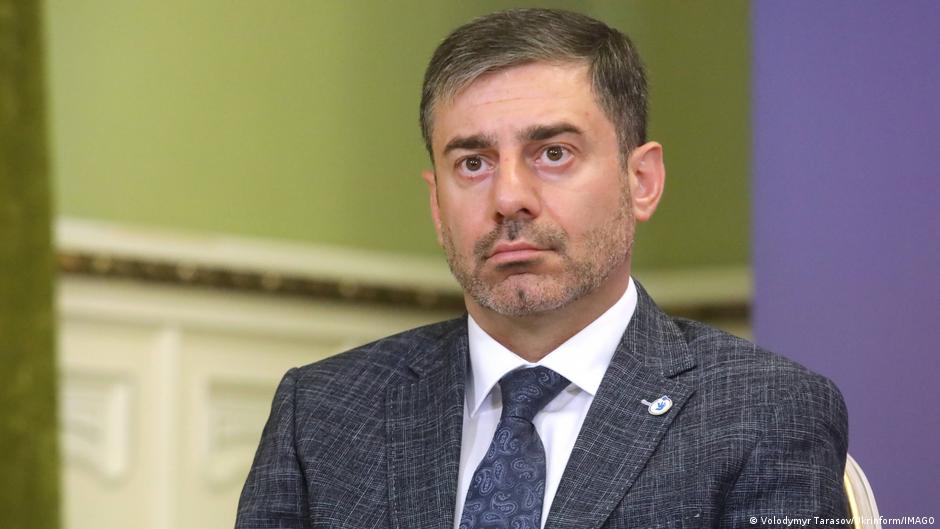
New reports from Ukraine's human rights commissioner Dmitry Lubevets allege that since February 2022, at least 345 Ukrainian soldiers who surrendered to Russian forces have been executed on the battlefield. These claims highlight serious violations of international law and add to escalating geopolitical tensions that continue to reverberate through global capital markets.
Market Implications of Escalating Conflict and Human Rights Violations
Lubevets stated that these executions were captured on video, showing surrendered Ukrainian soldiers who had laid down arms, raised hands, or otherwise indicated non-hostile intent, yet were summarily shot. The commissioner emphasized these acts constitute war crimes under the Geneva Conventions and merit legal prosecution as executions of prisoners of war.
"The killing of surrendered soldiers is a grave war crime and exacerbates the humanitarian crisis, intensifying geopolitical uncertainty," Lubevets remarked.
Such allegations contribute to heightened risk perceptions among investors, as geopolitical instability often leads to increased volatility in equities and fixed income markets. The ongoing conflict and associated human rights abuses weigh on investor appetite for risk, particularly in Eastern European markets and sectors with exposure to the region.
Moreover, Ukraine reports 375 verified deaths of prisoners of war following International Committee of the Red Cross (ICRC) verification, encompassing both military personnel and civilians. Additionally, reports cite extensive torture against Ukrainian prisoners in Russian detention facilities, including beatings, electric shocks, sexual violence, psychological pressure, and staged executions. These conditions underline the severity of the humanitarian crisis and the potential for prolonged conflict.
From a capital markets perspective, such developments can have multiple effects:
- Equity Markets: Increased geopolitical risk may deter foreign direct investment and weigh on regional equities, especially defense and infrastructure sectors sensitive to conflict outcomes.
- Bonds: Sovereign and corporate bonds from the region may face widening spreads due to heightened default risk and investor risk aversion.
- Currency Volatility: Sanctions and conflict-related uncertainty typically lead to currency depreciation and increased volatility, affecting international portfolios with regional exposure.
- Commodity Prices: Heightened conflict intensity may sustain higher prices for commodities like energy and metals, impacting global supply chains.
Investors are advised to monitor developments closely as the humanitarian and military situation evolves, adjusting risk management strategies accordingly. The intersection of human rights concerns with geopolitical conflict increasingly shapes market dynamics, underlining the complex environment for capital allocation.