Russia Quadruples Aviation Fuel Imports from Belarus Amid Domestic Production Decline
Significant increase in Belarusian jet fuel imports reflects Russian production challenges and market disruptions.
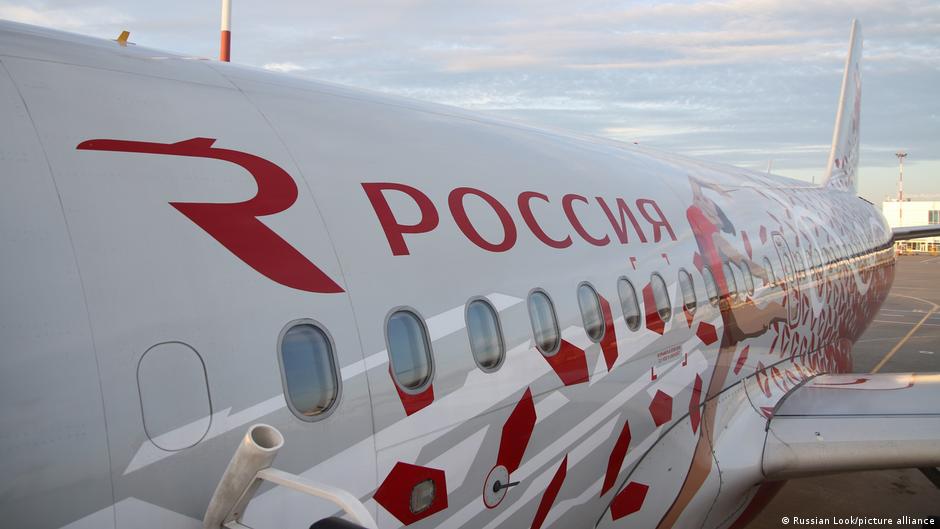
In May 2026, Russia imported 5,170 metric tons of aviation kerosene from Belarus, nearly four times the volume imported in May 2025. This surge continued into early June, with Russian imports reaching 2,600 metric tons in the first ten days alone, underscoring a significant shift in Russia's aviation fuel supply chain.
Market Impact Driven by Production Shortfalls
The steep increase in imports is attributed to a decline in domestic production of aviation fuel. Official figures on Russia's aviation fuel output have not been disclosed by authorities; however, estimates from the Center for Price Indexes (CPI) suggest that production in 2025 stood at approximately 11.4 million metric tons. A notable contributor to this output, the Moscow Oil Refinery in Kapotnya, ceased operations mid-June due to a drone attack, with Reuters reporting that the facility will remain offline until at least winter.
"The growth in aviation fuel imports is directly linked to decreased domestic production," noted market analysts.
This disruption has triggered discussions about importing JET A-1 fuel through Russian seaports and blending it with Russian fuel grades, as reported by The Bell. These measures highlight the strain on Russia's energy infrastructure and its implications for fuel supply reliability.
Regulatory and Regional Constraints Affecting Fuel Markets
In a historic move, Russia imposed a ban on the export of aviation kerosene starting June 1, effective until November 30. Concurrently, several Russian airports began issuing warnings about fuel supply constraints, which may affect airline operations.
Fuel supply issues are not confined to aviation. Over 30 Russian regions have introduced restrictions on automotive fuel sales, according to RBC. The fuel shortages initially erupted in the annexed Crimea following Ukrainian military strikes on logistics networks in occupied territories. These disruptions have since proliferated to other regions amid ongoing air assaults targeting Russian refineries.
Reuters data indicates that gasoline production in Russia plummeted by 25% year-over-year by late June. In response, Russia reportedly reached out to Kazakhstan requesting the purchase of 50,000 metric tons of gasoline, further evidencing the market pressures facing Russian fuel producers and distributors.
Investor Considerations in Energy and Capital Markets
These developments carry significant implications for investors in Russian equities and bonds, particularly those linked to the energy sector. The operational halt at a major refinery and the resultant import dependency may affect the profitability and risk profiles of fuel producers and distributors. Additionally, government-imposed export bans and regional fuel supply restrictions could influence market liquidity and price volatility.
Investors should closely monitor ongoing geopolitical and operational developments, including the potential impact of blending imported jet fuel and the sustainability of current supply chains. The heightened market uncertainty may create both risks and opportunities within Russian capital markets tied to energy commodities and logistics.