Russia Threatens to Halt Duty-Free Gas Supplies to Armenia Amid EU Integration Risks
Moscow signals possible suspension of energy and commodity agreements over Armenia’s closer ties with the European Union.
Russia has warned Armenia that its ongoing rapprochement with the European Union could jeopardize critical trade and energy agreements, potentially disrupting duty-free supplies of gas, petroleum products, and unprocessed diamonds. This development raises concerns over the stability of Armenia’s energy security and trade partnerships amid shifting geopolitical alignments.
Market Implications of Russia’s Warning
According to a letter from Russia’s Minister of Energy, Sergey Tsivilyov, sent to Armenia's Ministry of Territorial Administration and Infrastructure, Moscow may suspend or terminate the 2013 agreement that permits duty-free imports of Russian gas, oil products, and diamonds to Armenia. The letter, dated May 25, underscores Moscow’s view that Armenia’s declared intention to deepen cooperation with the EU threatens the foundational economic and investment ties between the two countries.
"The ongoing practical steps to deepen Armenia's interaction with the European Union and the declared government goal of joining the EU jeopardize the preservation and development of the fundamentally high levels of Russian-Armenian trade and economic cooperation," the letter states.
Since December 2013, Russia has exempted Armenia from export duties on these commodities, supplying volumes sufficient to meet Armenia's domestic consumption needs, with restrictions against re-export to third countries. Should the agreement be terminated, Armenia would remain liable for outstanding payments or could recognize these as state debt owed to Russia until fully settled. This contractual framework has been a pillar of Armenia’s energy security, given its near-total dependence on Russian gas and the majority of its petroleum products imports.
For investors and market participants, the potential end of duty-free gas and oil imports could translate into increased energy costs for Armenia, pressure on Armenian equities tied to energy and infrastructure sectors, and volatility in regional commodity markets. The disruption may also pressure Armenian sovereign bonds if economic growth slows amid higher input costs.
Earlier restrictions imposed by Russia on Armenian imports—including wines, spirits, vegetables, fruits, and flowers—signal a broader tightening of economic ties. Furthermore, statements by Russian officials suggest possible curtailment of favorable labor and migration conditions for Armenian citizens in Russia, hinting at deeper political and economic ramifications.
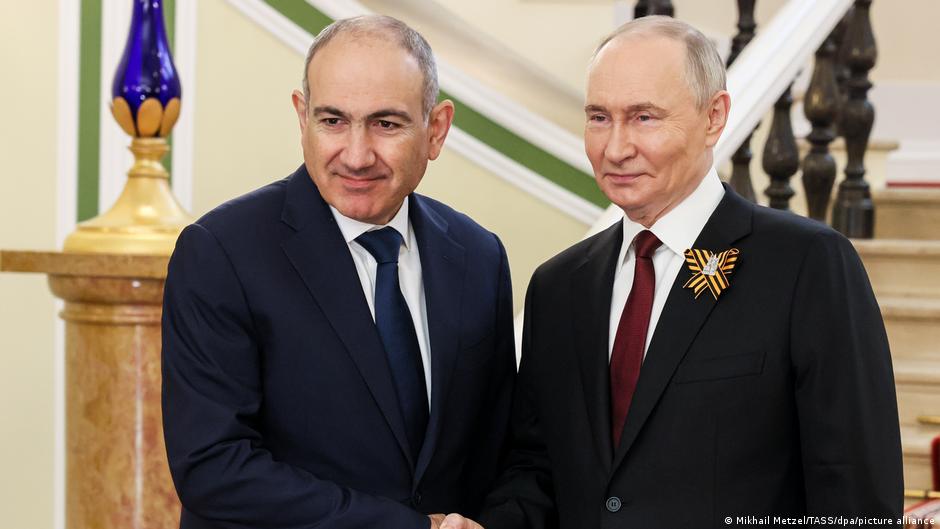
Russian President Vladimir Putin’s remarks in early May emphasized that Armenia must clarify its participation either in the EU or the Eurasian Economic Union (EAEU), warning of a "soft and mutually beneficial divorce" if Armenia chooses the EU path. This geopolitical stance is likely to weigh heavily on investor confidence given Armenia’s strategic reliance on Russia for energy and labor market access.
As of now, Armenian government bodies have not commented on the letter or on Russia’s potential actions. Market watchers will be closely monitoring developments, as any formal suspension or denunciation of the duty-free energy agreement could trigger shifts in commodity prices, currency fluctuations, and reassessments of sovereign risk in the Armenian market.
In summary, Russia’s signaling of a possible end to duty-free energy and commodity supplies to Armenia amid its EU integration efforts presents significant risks for capital markets. Investors should consider the potential for increased energy costs, supply chain disruptions, and broader geopolitical tensions that could affect Armenian equities and fixed income instruments.