US Secretly Assists 70 Commercial Vessels Through Strait of Hormuz Amid Iran Tensions
US Central Command has quietly facilitated safe passage for around 70 ships navigating the Iran-blocked Strait of Hormuz in recent weeks.
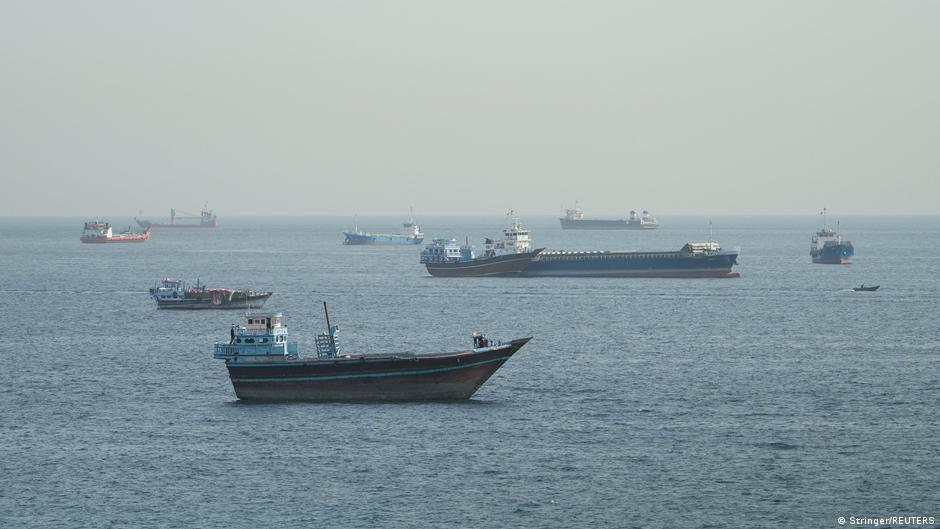
In a significant but discreet operation over the past three weeks, the United States Central Command (CENTCOM) has assisted approximately 70 commercial vessels in navigating the Strait of Hormuz, a critical maritime passage currently under blockade by Iran. This development, confirmed by unnamed US officials, highlights ongoing geopolitical tensions with direct implications for global capital markets, particularly energy commodities and shipping equities.
Market Implications of Strait of Hormuz Blockade and US Intervention
The Strait of Hormuz is a strategic chokepoint through which a large portion of the world's oil supply transits. Prior to the escalation of US-Iran hostilities on February 28, the waterway saw over 100 commercial ship transits daily. Currently, that figure has plummeted to about three per day, as vessels face increased risks from Iran’s maritime blockade and threats.
Most ships assisted by CENTCOM reportedly navigated with their transponders turned off to avoid detection, increasing operational risks and causing uncertainty in shipping logistics and supply chains. While some vessels coordinate passage with Iranian authorities, roughly 40% opt for 'dark' routes without official clearance, as cited by marine analytics firm Kpler.
"The US prefers to keep assistance discreet to minimize the risk of Iranian attacks on commercial vessels," one official noted.
This clandestine facilitation of vessel transit has broader effects on capital markets. Energy equities, shipping stocks, and related bond markets remain sensitive to disruptions in supply routes. Prolonged instability or escalation could tighten global oil supply, potentially driving prices higher and affecting investor sentiment towards risk assets in the sector.
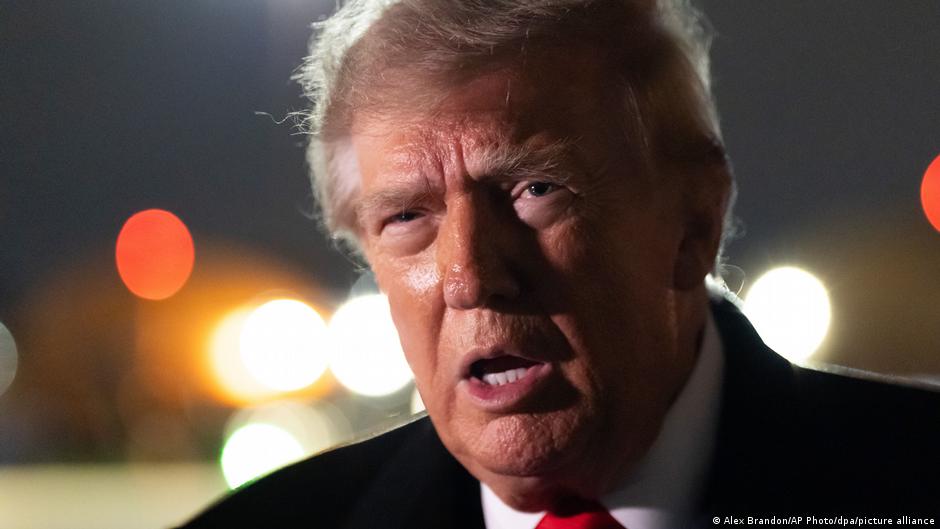
Moreover, US President Donald Trump recently paused the publicly announced "Freedom Project," which was designed to ensure safe naval escorts through the Strait. Instead, CENTCOM provides covert support without military accompaniment, reflecting a calibrated approach aimed at mitigating conflict escalation while maintaining commercial flow.
Negotiations between Washington and Tehran show tentative progress towards a framework agreement to end the conflict, but key issues remain unresolved, particularly regarding Iran's nuclear ambitions and maritime transit rights. Until a definitive deal is reached, investor caution and volatility in related markets are likely to persist.
Financial market participants should closely monitor developments in the region, as any change in Iran-US relations or further disruptions in the Strait of Hormuz could significantly impact global energy supply chains, shipping costs, and asset valuations.