Russian Northern Fleet Ship Admiral Levchenko Deploys Near German Coast, Impacting Baltic Market Security
The redeployment of a major Russian anti-submarine vessel to the Baltic Sea raises concerns about regional maritime security and potential market reactions in Europe.
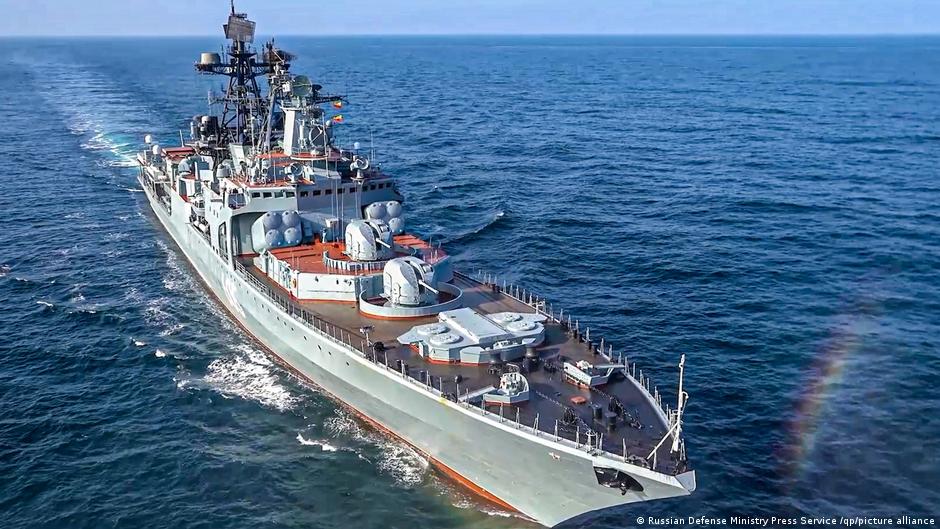
In a significant naval movement, the Russian Northern Fleet’s large anti-submarine ship Admiral Levchenko has been spotted near the German island of Fehmarn, marking its redeployment from the Barents Sea to the Baltic Sea. This maneuver, first reported by German media, is perceived as a strategic adjustment concerning the protection of Russia's so-called "shadow fleet" vessels transporting crude oil.
Market Implications of Russian Naval Movements in the Baltic
The presence of a powerful Northern Fleet vessel in the Baltic Sea is stirring unease in European maritime and energy markets. Admiral Levchenko, one of the largest anti-submarine ships in the Russian fleet, is believed to be replacing its sister ship Severomorsk, which recently ended its patrol duties in the crucial Fehmarn Belt strait between Denmark and Germany. The Severomorsk had been tasked with safeguarding the passage of Russian shadow fleet vessels — tanker ships that carry Russian crude oil, often circumventing Western sanctions.
Following the withdrawal of Severomorsk at the end of June, only the Baltic Fleet corvette Soobrazitelny remained in the area, leaving a gap now filled by the arrival of Admiral Levchenko. This shift signals an ongoing Russian effort to assert control and protection over its maritime energy shipments despite increasing geopolitical pressures.
"The redeployment of Admiral Levchenko suggests Moscow’s prioritization of securing energy transport routes in the Baltic Sea amidst tightening Western sanctions and military scrutiny."
For investors, these naval deployments could affect the trading environment for energy commodities and shipping stocks. Heightened military activity near critical transit corridors may increase insurance costs for tankers and shipping freight rates, potentially leading to increased volatility in oil markets, particularly affecting Brent crude benchmarks sensitive to supply route disruptions.
Moreover, the presence of military vessels close to German waters could prompt European governments to reassess security protocols for maritime trade, possibly influencing regulatory frameworks and port operations. This scenario could impact European equity markets, notably in sectors related to shipping, logistics, and energy infrastructure.
Additionally, this naval activity coincides with reports on the movement of the superyacht Graceful, believed linked to Russian President Vladimir Putin. The yacht's relocation from Germany to Kaliningrad and then reportedly to Murmansk, officially bound for Istanbul, illustrates heightened efforts by Russian elites to shield assets amid ongoing geopolitical tensions. This dynamic contributes to continued Western sanctions pressure, affecting investor sentiment toward Russian-linked assets.
Investors should closely monitor these developments as they reflect broader strategic Russian responses to Western sanctions and military pressures. The Baltic Sea remains a critical zone where geopolitical tensions could translate into market volatility, particularly in energy and maritime sectors.