Yaroslavl Refinery Halt Adds Pressure to Russian Fuel and Energy Markets
Damage at a major refinery serving the Moscow region has stopped processing and fuel shipments, deepening supply risks for investors tracking Russian energy assets.
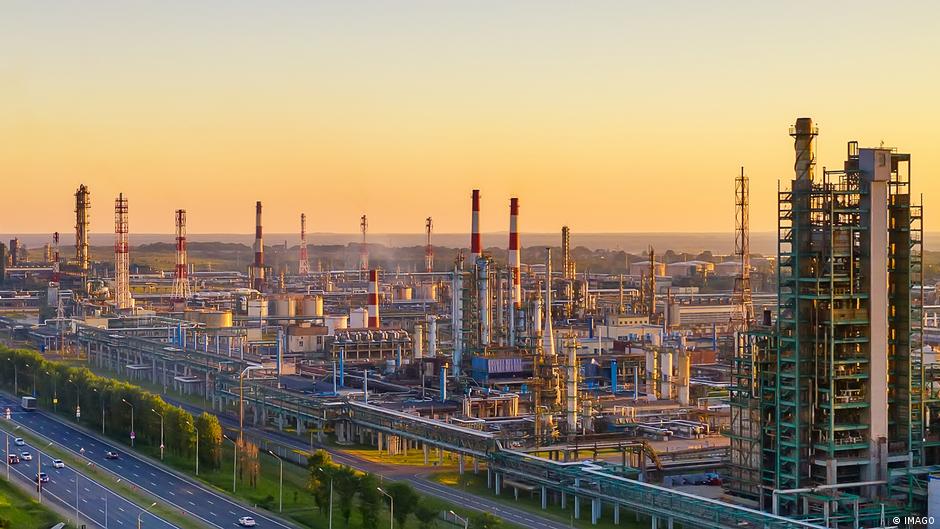
A major Russian oil refinery in Yaroslavl has stopped crude processing and fuel shipments after drone attacks damaged key production units, adding fresh strain to Russia's domestic fuel market and raising new questions for investors exposed to the country's energy infrastructure, logistics networks and sovereign risk.
The Slavneft-Yaroslavnefteorgsintez refinery, known as YANOS, is among Russia's largest refining assets and had supplied fuel to the Moscow region. Reuters reported that the plant, which is ranked among Russia's top 10 refineries, halted operations after another Ukrainian drone attack. The report cited four industry sources and was published on Thursday, September 17.
According to the sources cited by the agency, the overnight attack on September 17 damaged the AVT-3 crude processing unit, which accounted for 40 percent of the plant's capacity. Yaroslavl regional governor Mikhail Yevraev confirmed damage and a fire at the refinery. The blaze took several hours to extinguish.
The shutdown is material for markets because YANOS is not a marginal facility. Media reports place Slavneft's Yaroslavl refinery among Russia's five largest refining enterprises by crude throughput. The AVT-3 unit alone was capable of processing about 17,000 metric tons of feedstock per day. On an annual basis, the refinery supplied markets with more than 2.6 million tons of gasoline and 4 million tons of diesel, with the plant serving the Moscow region.
Refining outages widen a domestic supply shock
The September 17 damage followed an earlier disruption. Media reports said another unit at the facility, AVT-4, was knocked out during an overnight attack on August 28. That unit represented about 33 percent of YANOS capacity and had not resumed operations. After the attacks, YANOS stopped exchange-based fuel shipments.
For capital markets, the outage lands in a sector already under pressure from repeated strikes, constrained operational redundancy and signs of tightening consumer fuel availability. Since the start of Russia's full-scale war against Ukraine, the Yaroslavl plant has repeatedly been hit by Ukrainian drones. In 2026 alone, fires broke out at the facility at least eight times.
YANOS is also the second major refinery in the region to suspend work in September because of the consequences of drone attacks. Since September 6, fuel has not been shipped from Rosneft's refinery in Ryazan, whose capacity is 17 million tons of oil per year. The declared capacity of the Yaroslavl refinery is 15 million tons per year.
That combination matters for investors because refinery outages can transmit quickly into fuel prices, transport costs, regional availability and expectations around state intervention. Equity investors watching Russian energy producers and downstream-linked companies face a more complicated picture: crude output may remain one issue, but the ability to convert barrels into gasoline and diesel for domestic markets is becoming a separate operational risk.
Putin has described fuel difficulties as temporary and said attacks on refineries cannot influence events on the front.
Russian officials have been reluctant to acknowledge the full scale of the fuel problem. Strikes by Ukraine's armed forces on Russian oil refining facilities contributed to a fuel crisis in Russia over the summer. The Kremlin and President Vladimir Putin personally have described the problem in limited terms. Putin said fuel difficulties were temporary in nature and argued that attacks on refineries were not capable of affecting events on the front.
Signals for bonds, inflation and policy risk
For bond markets and macro investors, the refinery disruptions feed into a wider set of inflation and fiscal questions. A prolonged shortage of gasoline and diesel can increase pressure on household budgets and business logistics, particularly if shortages push prices higher or force rationing through market and administrative channels. It can also increase the likelihood of state measures to redirect supply, manage exports or support affected regions and companies.
Data cited from Gdebenzin, a service that aggregates Russian fuel-search websites and services, showed that in mid-September AI-92 and AI-95 gasoline was unavailable at roughly half of the country's filling stations. Those indicators fluctuated day to day, but a chart cited by Novaya Gazeta Europe showed that an acute fuel shortage had continued in Russia since mid-August.
The investor read-through is not confined to refinery owners. Persistent fuel shortages can influence inflation expectations, consumer sentiment, transport companies, agricultural supply chains and the broader pricing of Russian risk. In sovereign and quasi-sovereign debt, recurring infrastructure damage may also weigh on perceptions of operational resilience and the cost of maintaining domestic stability during wartime.
The market backdrop is further complicated by diplomacy around energy infrastructure. In mid-September, Kremlin spokesman Dmitry Peskov spoke positively about U.S. President Donald Trump's idea of an energy truce, which would involve a halt to Ukrainian attacks on Russian refineries. Asked whether Russia would be prepared in return to stop strikes on Ukrainian infrastructure, Peskov did not answer.
For investors today, the immediate issue is continuity of Russian fuel supply. YANOS had already lost a unit responsible for about one-third of its capacity in late August; the latest damage hit another unit responsible for 40 percent. With shipments halted and another regional refinery, Ryazan, already not dispatching fuel, the outage raises the probability that domestic shortages will remain a live market variable rather than a short-term operational incident.
The longer the disruptions persist, the more investors will focus on whether Moscow can stabilize refined product availability without imposing measures that distort prices, squeeze margins or shift burdens across the energy sector. The attacks have turned refining capacity, not just crude exports, into a central risk factor for anyone assessing Russian energy assets, inflation pressures and wartime financial stability.