Drone Attack on Major Russian Refinery Raises Fuel Supply Risks
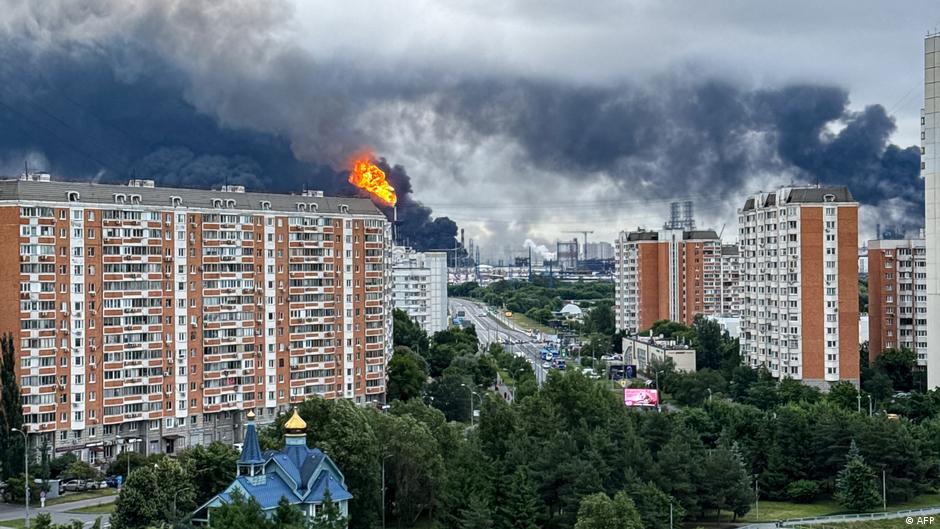
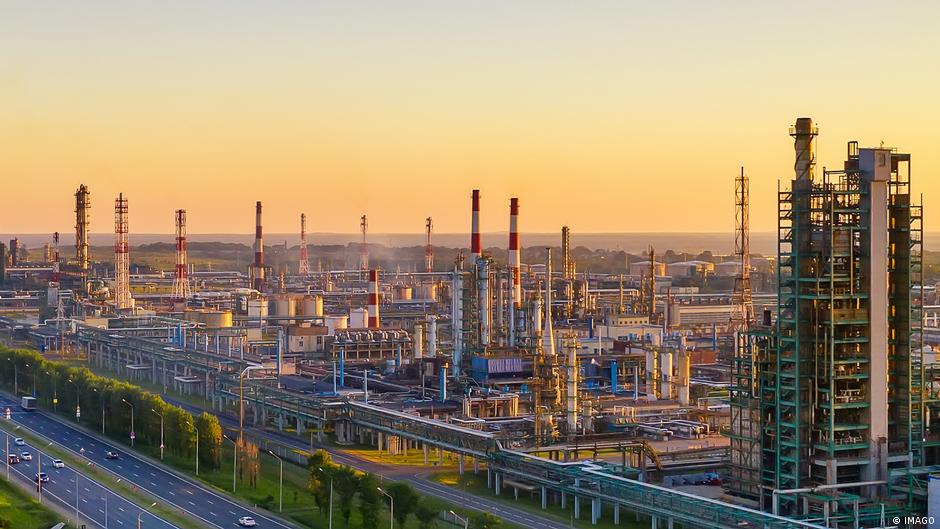
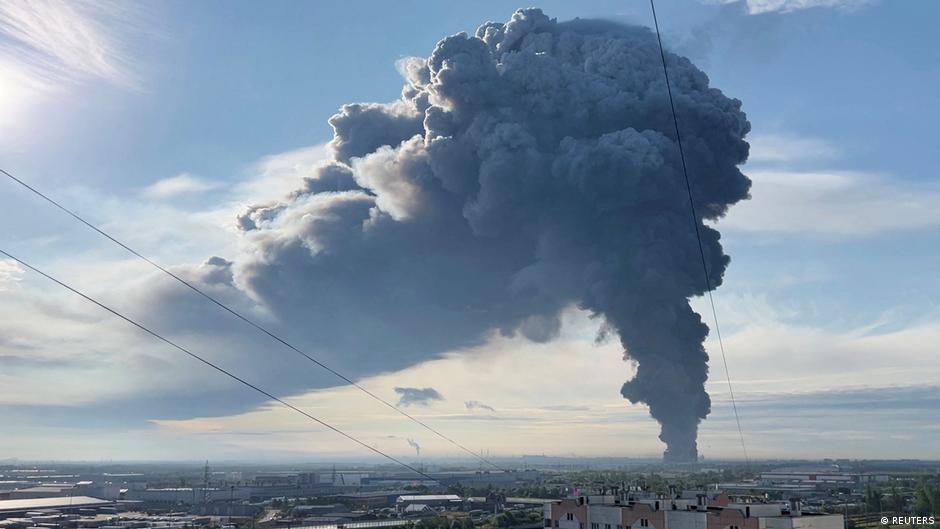
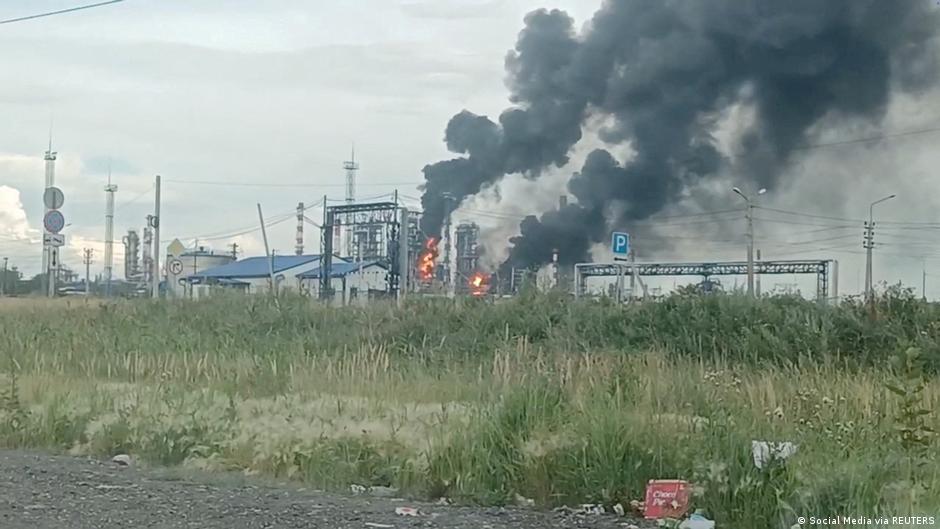
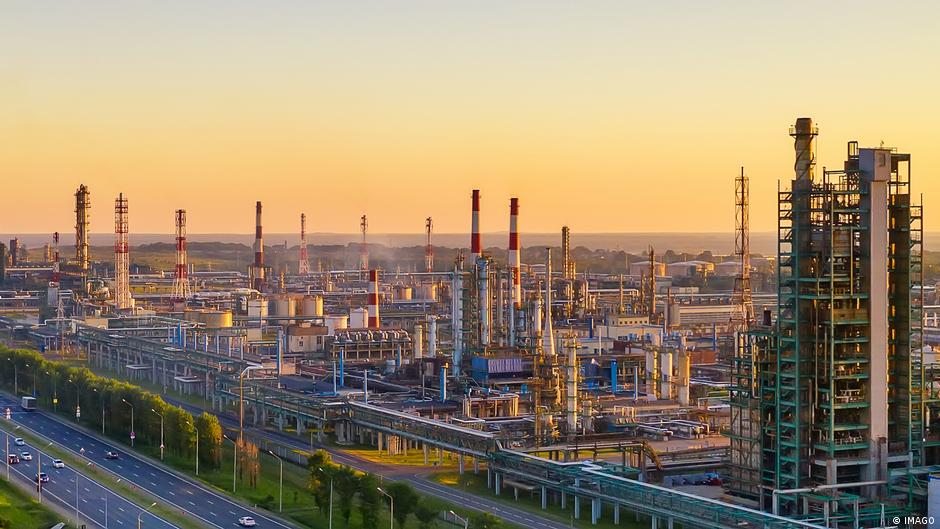
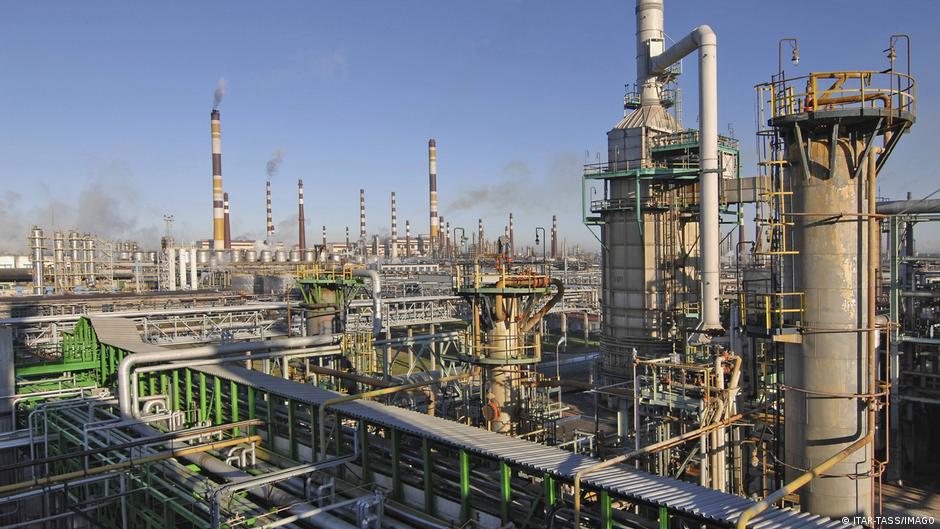
A drone attack on Surgutneftegas’ Kirishi refinery puts a facility responsible for roughly 7% of Russian oil processing under renewed investor scrutiny.

A drone attack on Surgutneftegas’ Kirishi refinery puts a facility responsible for roughly 7% of Russian oil processing under renewed investor scrutiny.

A reported Ukrainian pause in attacks on Russian refineries may ease near-term fuel supply risks, but its informal and reversible nature leaves investors exposed to renewed volatility.

Washington is considering sanctions relief for Russia’s RDIF as Moscow seeks a role for the fund in planned diesel shipments to US and global markets.

Trump postponed sweeping Russia tariffs, citing Ukraine negotiations, Iran and diesel supplies, while retaining the option to impose them later.

A bipartisan Senate group warns Trump’s Russian diesel deal may offer little fuel-price relief while weakening sanctions pressure on Moscow.

Reported U.S. pressure on Kyiv over refinery strikes adds uncertainty for oil, defense stocks and European bond markets.

Macron said a Russian mobilization of around 300,000 people is credible, adding to market concerns over Europe’s security risk premium.

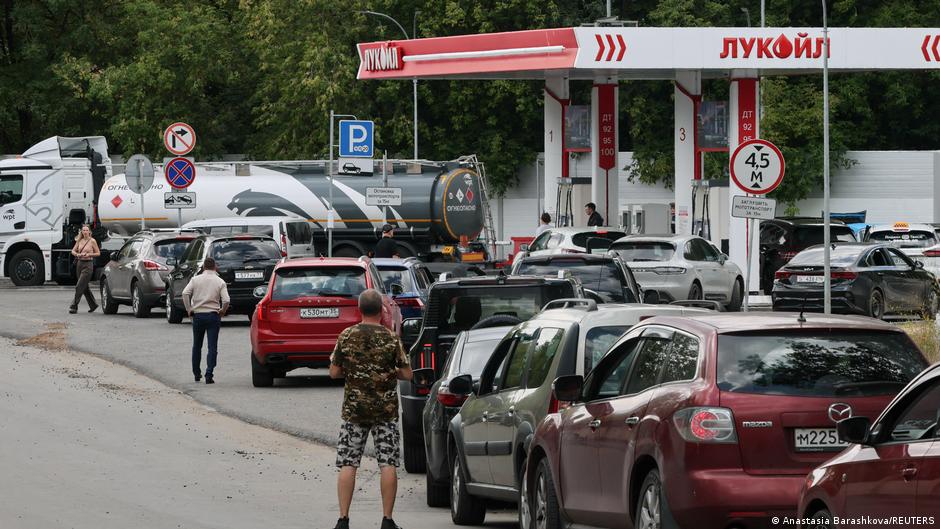
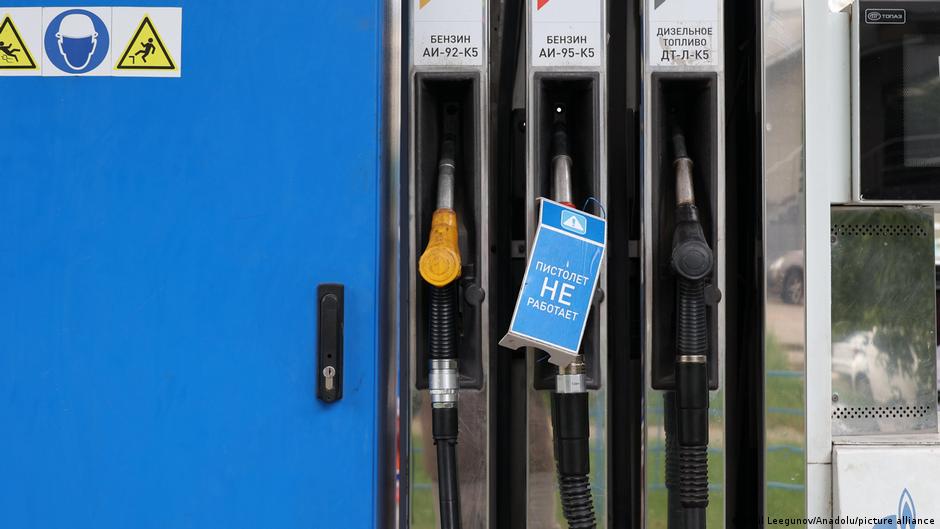
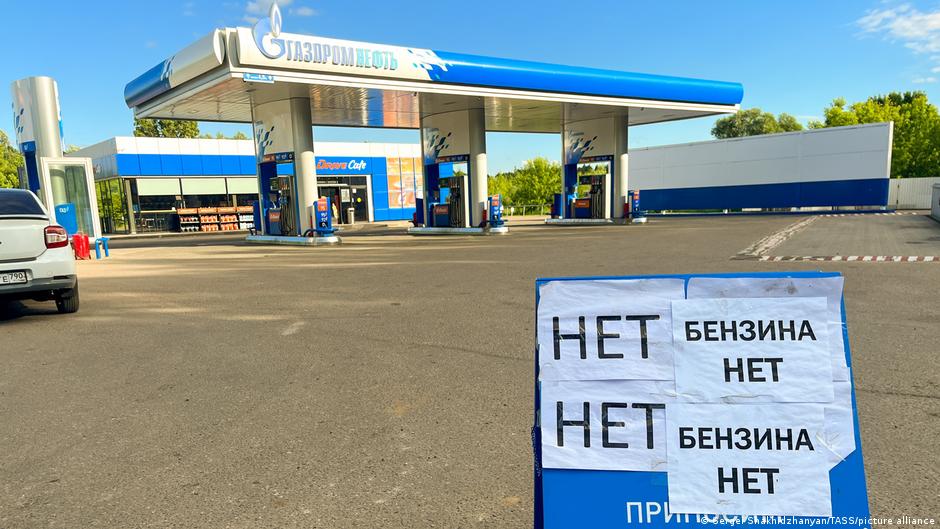
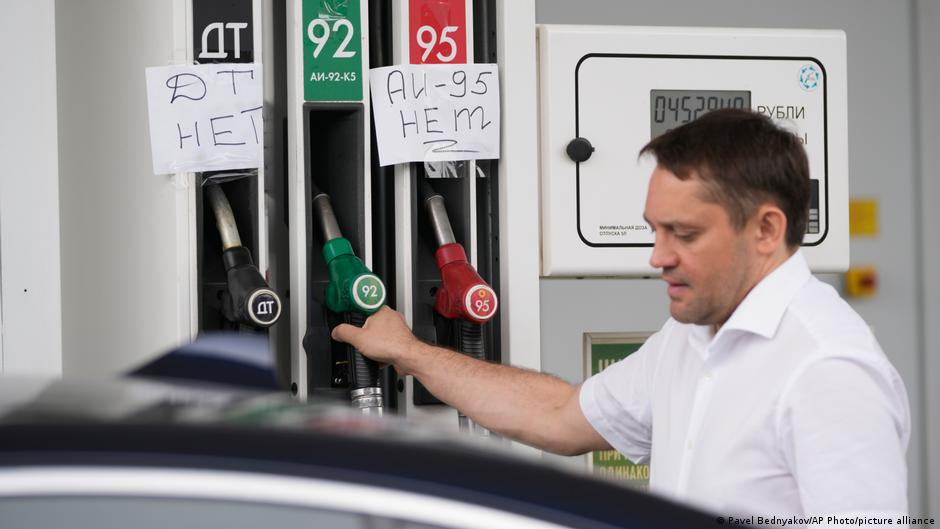
Kaluga and Zabaikalsky are restoring gasoline limits as refinery strikes renew supply stress, raising inflation and market risks.

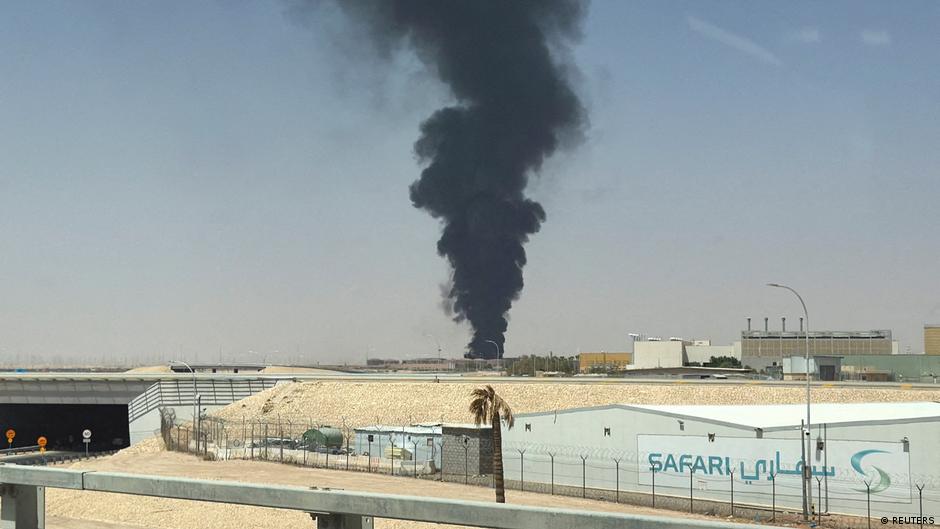
Saudi Arabia said it intercepted a Houthi missile aimed at Riyadh, heightening investor concern over Aramco assets and Red Sea oil routes.

Drone damage has halted YANOS refinery processing and fuel shipments, adding pressure to Russian fuel supply and investor risk assessments.

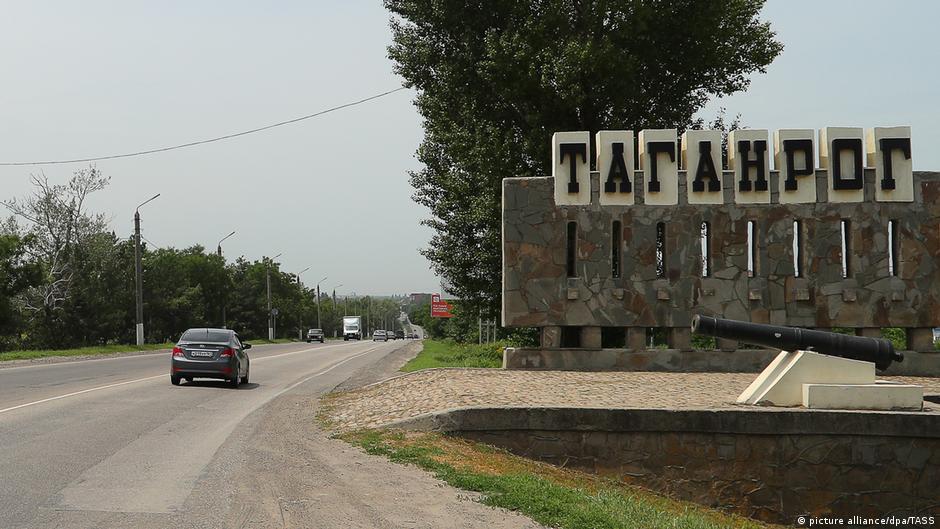
Strikes on the Syzran refinery and Taganrog facilities highlight continuing infrastructure risks for investors tracking Russian energy and industry.

Houthi forces captured Mocha, strengthening their position near Bab el-Mandeb and raising investor concerns over oil supply and market volatility.

Russia extends authorization for lower-grade fuels until mid-2027 to combat production declines caused by refinery attacks, impacting energy equities and investor outlook.

Ukraine’s 40-day operation struck over 100 Russian strategic sites, focusing on military and energy infrastructure, with implications for global energy markets and defense sectors.

Russian oil product output plunged nearly 22% year-on-year in June, pressured by infrastructure attacks and fueling market uncertainty for investors.

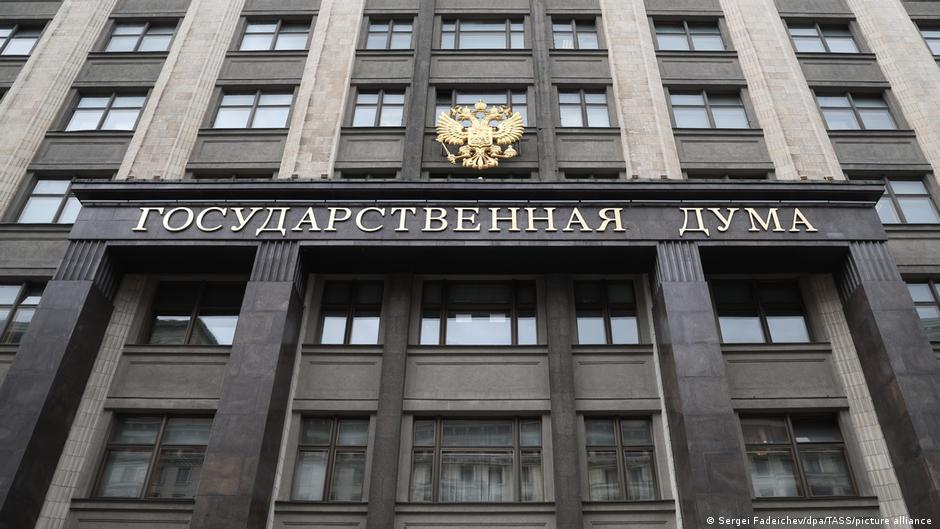
Russia’s parliament amended fuel market regulations to stabilize prices by expanding compensation schemes and adjusting import rules, impacting energy sector investments.

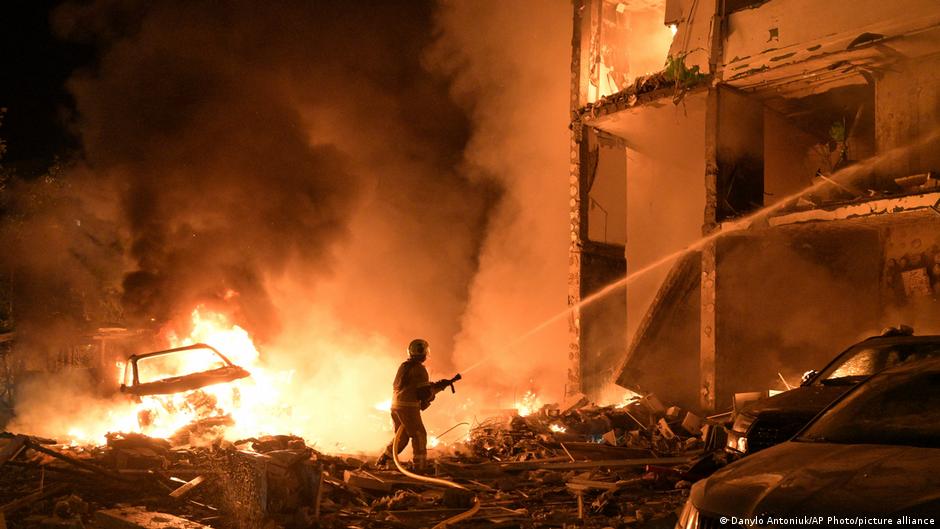
Renewed Russian ballistic missile attacks on Kyiv raise geopolitical risks, impacting Ukrainian equities and bonds amid rising civilian casualties and infrastructure damage.

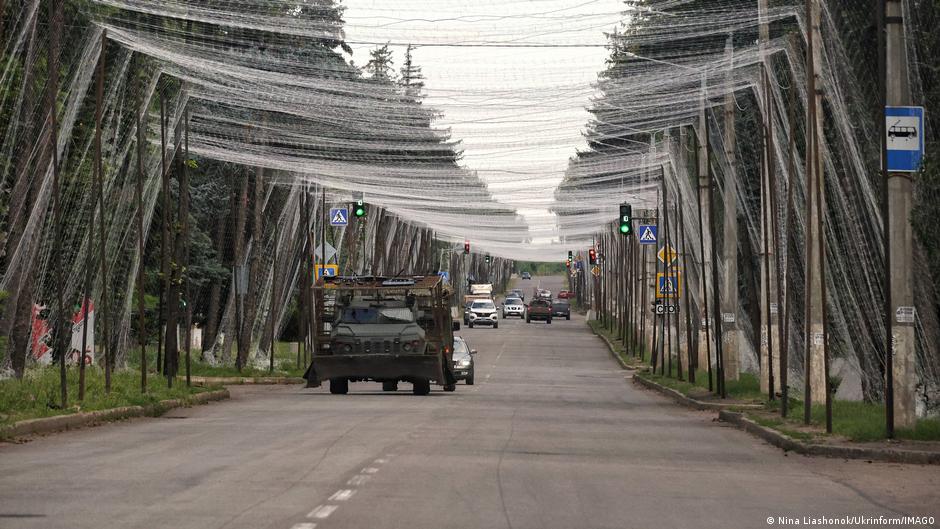
Ukrainian drone strikes have forced the Saratov refinery to halt operations, cutting refining capacity and exacerbating fuel shortages in Russia's energy market.

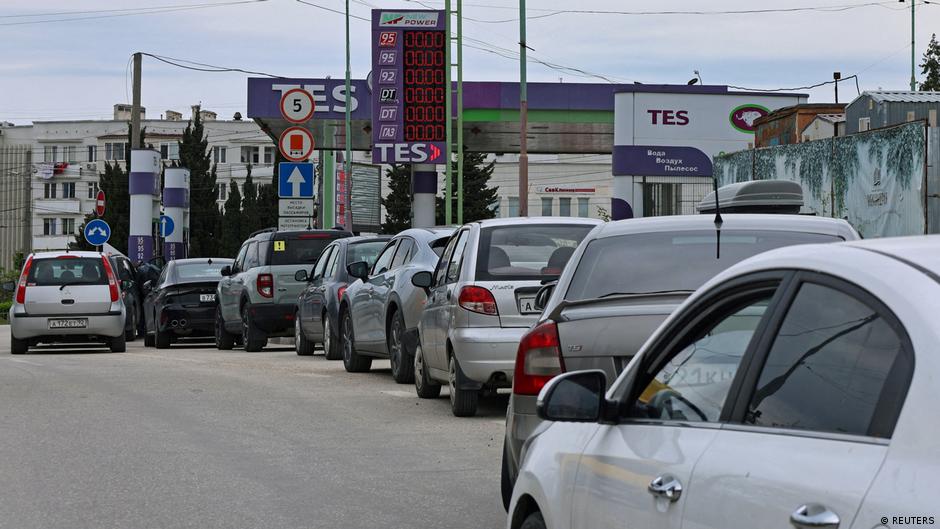
Gasoline prices in Crimea have surged nearly 80% in a week amid Russia's export restrictions and supply shortages, signaling increased market volatility for energy investors.

Russia permits Euro-3 fuel circulation until 2026 to mitigate refinery disruptions, impacting energy markets with lower fuel quality and constrained supply.

Russian drone and missile strikes on Ukraine fell significantly in June, raising cautious optimism but sustained uncertainty for investors amid ongoing conflict dynamics.

Russia's aviation fuel imports from Belarus surged nearly fourfold in May 2026 amid domestic production declines and refinery shutdowns, impacting fuel markets and investors.

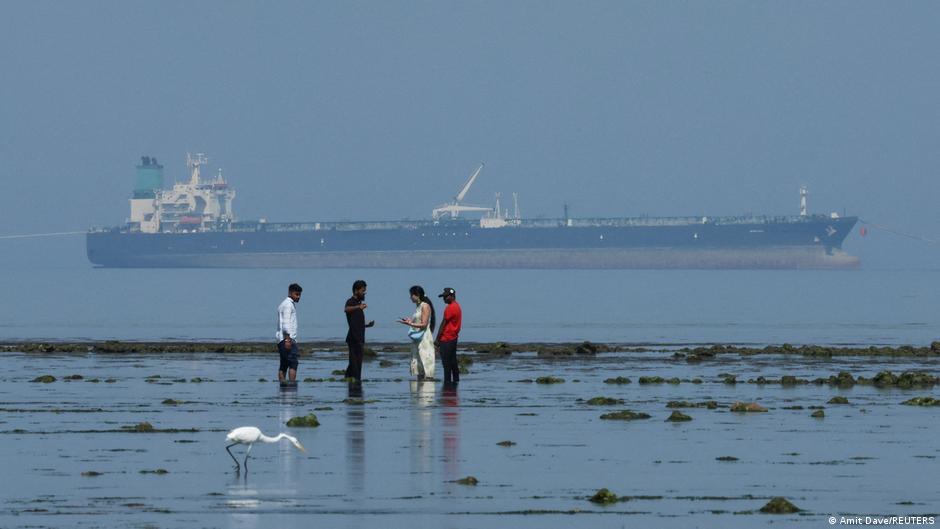
Russia’s maritime oil exports hit a 2026 peak despite falling prices amid US-Iran diplomacy, posing complex challenges for energy investors and capital markets.

The US imposed new sanctions on five major Cuban state companies controlling 40% of GDP, intensifying economic and political tensions with implications for investors.

Russian authorities impose fuel sales limits in over 50 regions amid production cuts from drone attacks, affecting oil market dynamics and investor confidence.

Germany urges that future EU-Turkey gas agreements exclude Russian supplies, signaling shifts in energy markets and investor strategies amid Europe's transition away from Russian energy.

Russia plans 1-2 month export limits on diesel and jet fuel amid drone attacks disrupting major refineries, impacting fuel supply and investor outlook in energy markets.

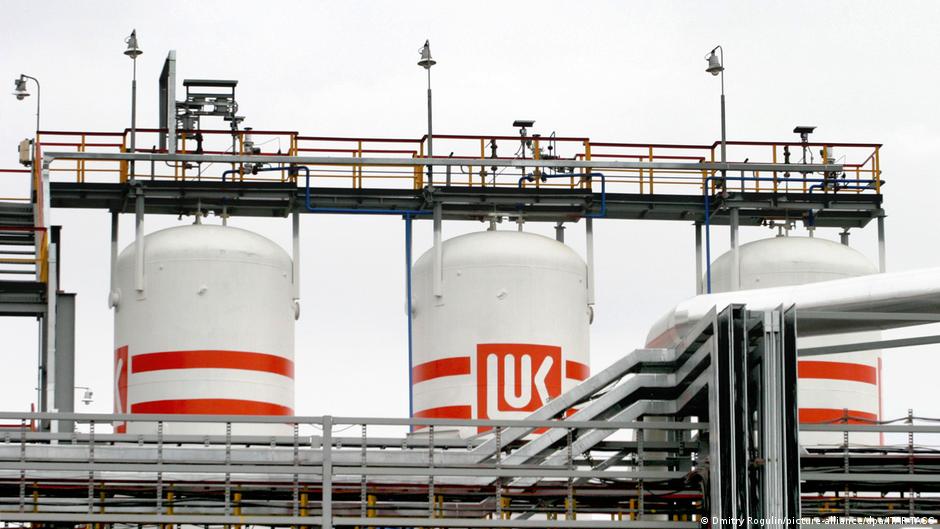
Ukrainian drone strikes have forced Lukoil's NORSI refinery to halve its capacity, affecting a quarter of Russia's refining output and tightening domestic fuel supplies.