Ukraine’s 40-Day Military Operation Targets Over 100 Russian Strategic Sites, Impacts Energy Sector
Ukraine’s security service reports extensive strikes on Russia’s military and energy infrastructure, signaling sustained pressure on Russian defense capabilities.
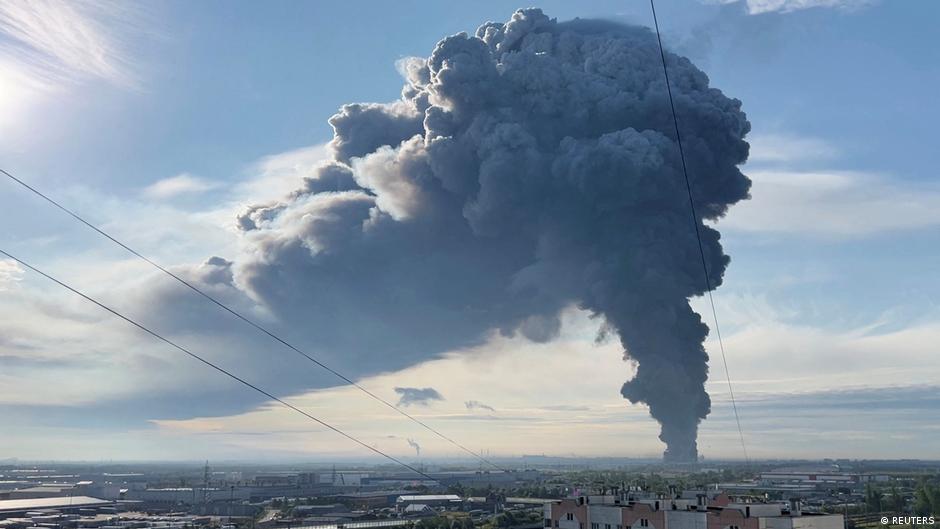
Ukraine's Security Service (SBU) conducted a 40-day military operation targeting more than 100 strategic sites within Russia and Russian-occupied Ukrainian territories, alongside over 21,000 frontline targets, according to an official SBU report released on August 4. The operation, authorized by President Volodymyr Zelensky on June 25, aims to exert continuous pressure on Russia’s military and economic infrastructure.
Impact on Russian Military and Energy Infrastructure
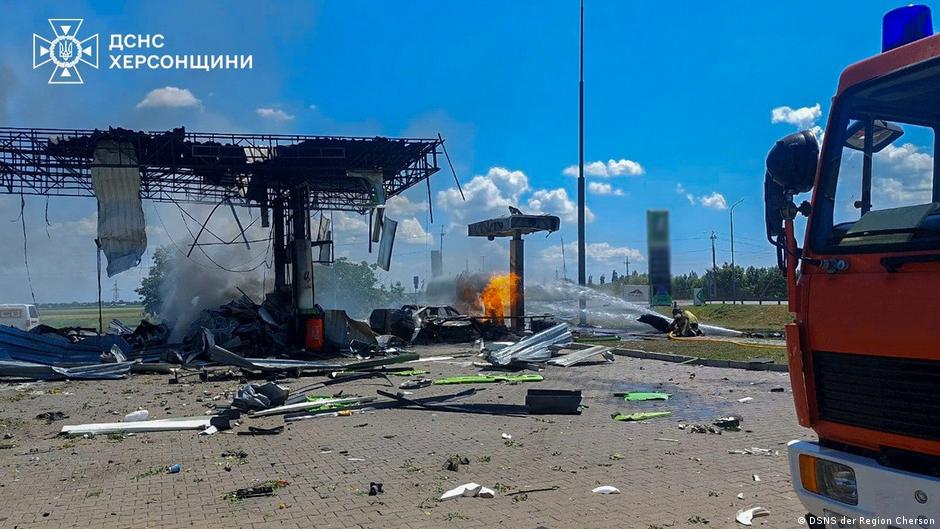
The SBU’s strikes focused on critical components of Russia’s war-making capabilities, including military-industrial enterprises, airbases, air defense systems, command centers, naval vessels, and shadow fleet tankers. Energy infrastructure was a particularly significant target: SBU forces attacked 14 oil refineries, numerous oil depots, storage terminals, pumping stations, and offshore oil platforms.
"The 40-day campaign aimed to simultaneously weaken key elements of the Russian war machine," the SBU stated, emphasizing their continued efforts to diminish Russia’s military-economic potential.
The campaign also targeted several sanctioned vessels, including tankers Blue, Louise 1, Banda, Avero, and two cargo ships, further disrupting Russia’s energy logistics and export capacities.
Market Repercussions and Investor Considerations
The SBU's operations, by damaging extensive segments of Russia’s energy and military infrastructure, could have notable repercussions for global capital markets, particularly in the energy and defense sectors. Russia’s oil refining capacity, already constrained by international sanctions and supply chain disruptions, faces additional strain from these attacks. This may tighten global oil product supplies, potentially influencing crude oil and refined product prices.
Investors in energy equities and bonds issued by companies linked to Russian oil production or refining should closely monitor developments. Heightened risks around asset security and operational continuity could weigh on valuations and creditworthiness. Conversely, energy firms outside Russia might see opportunities amid supply tightening and increased regional volatility.
Defense industry equities may experience increased volatility as well. Escalating conflict and intensified military operations could boost defense spending projections in various countries, affecting defense contractors and military suppliers. However, the unpredictability of the conflict's duration and scale remains a critical risk factor for investors.
Furthermore, the operation signals Ukraine’s intent to sustain pressure on Russia’s military-economic infrastructure, suggesting continued operational risks in the region. Market participants should maintain vigilance toward geopolitical developments and consider their potential impacts on commodity prices, currency volatility, and sovereign credit risks.