Fuel Sales Restrictions in Russia Impact Oil Market and Investor Sentiment Amid Production Disruptions
Widespread gasoline supply limits in over 50 Russian regions reflect ongoing challenges for the oil sector following drone attacks on refineries.
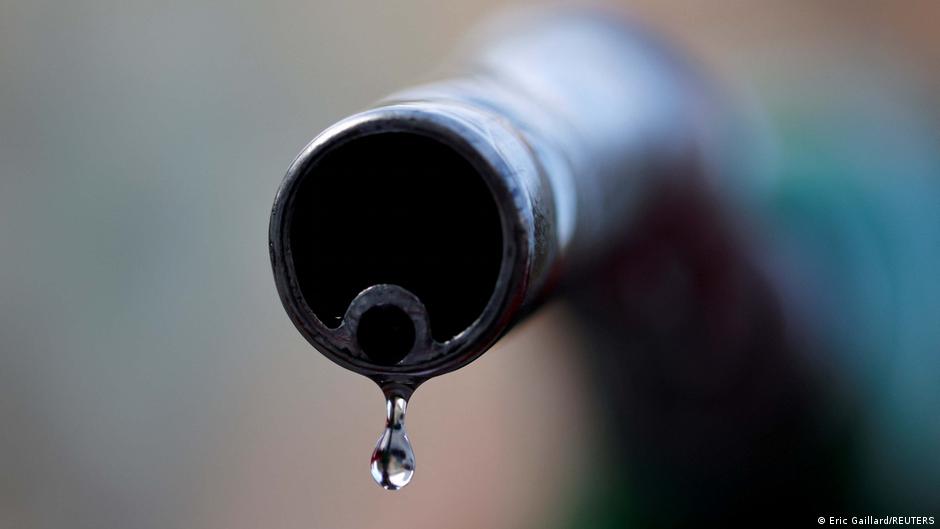
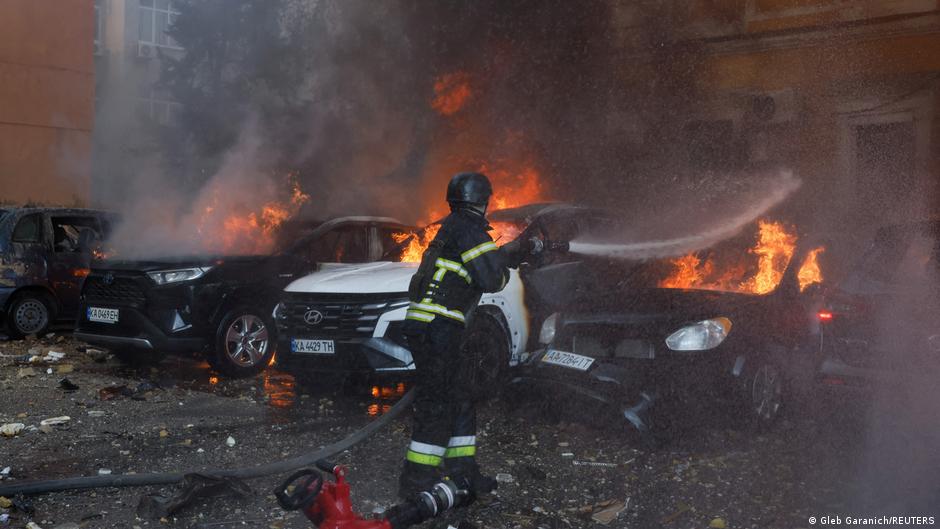
Russia is facing significant disruptions in its oil production and retail fuel market due to increased drone strikes on key oil refineries and storage facilities by Ukrainian forces. These attacks have compelled Russian authorities to impose fuel sales restrictions across more than 50 regions, creating ripples in the domestic fuel supply chain and weighing on investor confidence in related equities and bonds.
Fuel Sales Limitations Across Multiple Regions
Since late June, several Russian regions have enacted caps on retail gasoline and diesel sales to curb panic buying and speculation amid dwindling fuel availability. In Voronezh Oblast, for instance, Lukoil-operated gas stations have introduced limits allowing a maximum of 30 liters of gasoline and 60 liters of diesel per fill-up within the city, and up to 60 liters of gasoline and 200 liters of diesel on highway routes.
Other regions including Omsk, Irkutsk, Saratov, Amur, Tambov, Lipetsk, Tula, Tver, and Vladimir have announced similar restrictions. Governors have explicitly noted the need to avoid artificial demand surges and curb black market activities, with some stations ceasing service altogether in hard-hit areas. This decentralized, “manual mode” management approach underlines the severity of the ongoing fuel crisis.
"On the back of the fuel crisis, authorities have been forced to switch to a manual operational mode," stated regional leadership, emphasizing the extraordinary measures taken to stabilize supply.
Production Declines and Market Implications
According to industry estimates, Russia’s oil output in May fell to the lowest level in a year. Reuters reported that nearly all major oil facilities in central Russia were forced to reduce or halt operations following intensified drone attacks. This production slump exacerbates domestic supply constraints and raises concerns about the sustainability of Russia’s oil export revenues.
For capital markets, these developments inject additional volatility into Russian energy equities and bonds. Investors are increasingly wary of operational disruptions leading to revenue dips and possible regulatory tightening. The imposed rationing measures reflect direct supply-side pressures that could affect cash flows for oil producers and downstream fuel distributors.
While global energy markets remain influenced by geopolitical tensions, Russia’s internal supply challenges and resulting policy responses may influence trading behaviors and risk assessments among asset managers. The fuel restrictions serve as a barometer of operational risks within Russia’s oil sector, potentially prompting investors to reassess exposure to companies vulnerable to such disruptions.
In sum, the combination of targeted attacks on oil infrastructure and widespread retail fuel rationing underscores the fragile state of Russia’s oil industry. Market participants should monitor these developments closely as they bear significant implications for energy sector valuations and broader investment strategies related to Russian capital markets.