Russia Permits Sale of Lower-Grade Fuels Until 2027 Amid Production Shortfalls
Russian government extends authorization for lower environmental standard fuels as temporary crisis response to maintain supply amid refinery disruptions.
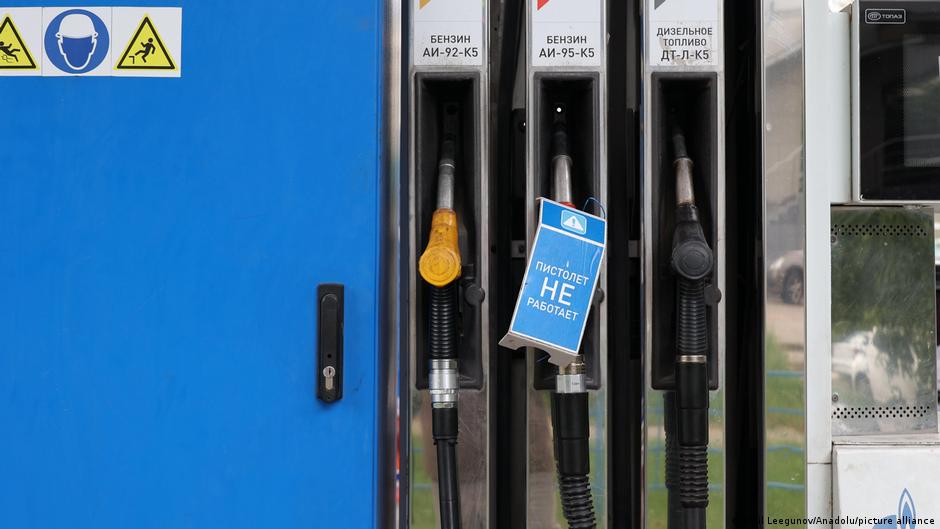
The Russian government has authorized the continued production and sale of lower environmental standard fuels classified as Euro-2, Euro-3, and Euro-4 until July 1, 2027. This decision marks a significant shift from previous policies focused on cleaner fuels and is presented as a temporary, crisis-driven measure to stabilize fuel availability.
The Ministry of Energy announced that the move aims to balance fuel quality standards with the pressing need to ensure accessibility for consumers amid ongoing supply challenges. The environmental classification of fuels will be clearly indicated at filling stations to inform consumers.
Market and Supply Chain Impact of Fuel Standard Rollback
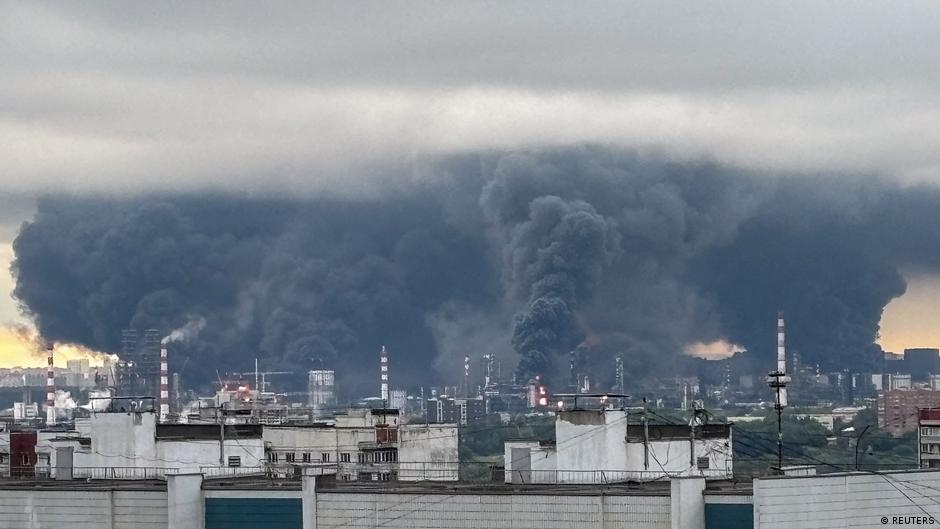
The rollback comes in response to a severe fuel crisis in Russia, primarily caused by targeted military strikes on oil refineries and energy infrastructure by Ukrainian armed forces. Notably, the Moscow-based Kapotnya refinery, responsible for about 40% of the capital's fuel supply, suffered two attacks in a single week, rendering it inoperative until late 2026 or early 2027.
According to Reuters, gasoline production in Russia dropped by 25% in June 2026 compared to the previous year, equating to 85,000 tons per day against a summer demand of 110,000 tons daily. Over 40 regions have implemented fuel sales restrictions as a result.
"The decision to allow lower-grade fuels is a stopgap measure to harness refinery capacities unable to produce higher-quality fuels and to ease fuel production pressures," said Dmitry Prokofiev, Communications Director at NEFT Research.
Allowing fuels of lower environmental classes enables the use of less refined crude oil and activates production units that otherwise could not meet stricter quality standards. This simplification in the refining process could increase gasoline output by hundreds of thousands of tons per month. However, this uplift is unlikely to fully offset the production shortfall caused by refinery outages.
From a capital markets perspective, this policy shift introduces new variables for investors in Russian energy equities and bonds. Companies operating refineries with limited upgrade capabilities may benefit from the relaxed standards, potentially improving their output and revenue streams. Conversely, firms invested in cleaner fuel technologies or higher environmental standards could face increased operational and regulatory uncertainty.
Investors should also consider the longer-term implications for demand-side dynamics. The use of lower-quality fuels poses risks to modern vehicle engines, potentially accelerating shifts in consumer behavior or fueling calls for alternative energy solutions. This may influence future fuel consumption patterns and impact sectors tied to automotive fuel usage.
Overall, the Russian fuel market faces a period of adjustment with heightened volatility as temporary measures attempt to bridge supply gaps. Market participants will need to monitor developments closely, particularly any extensions beyond 2027 or further regulatory modifications.