Lukoil Refinery Capacity Halved After Ukrainian Drone Attacks, Impacting Russian Fuel Output
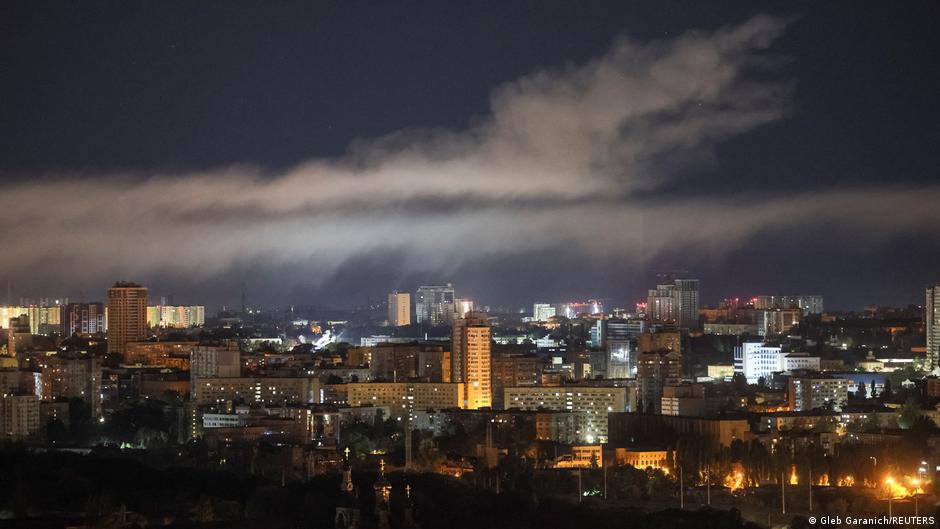
Ukrainian drone strikes have forced Lukoil's key refinery to halt over half its capacity, affecting a quarter of Russia's refining output and market fuel supplies.
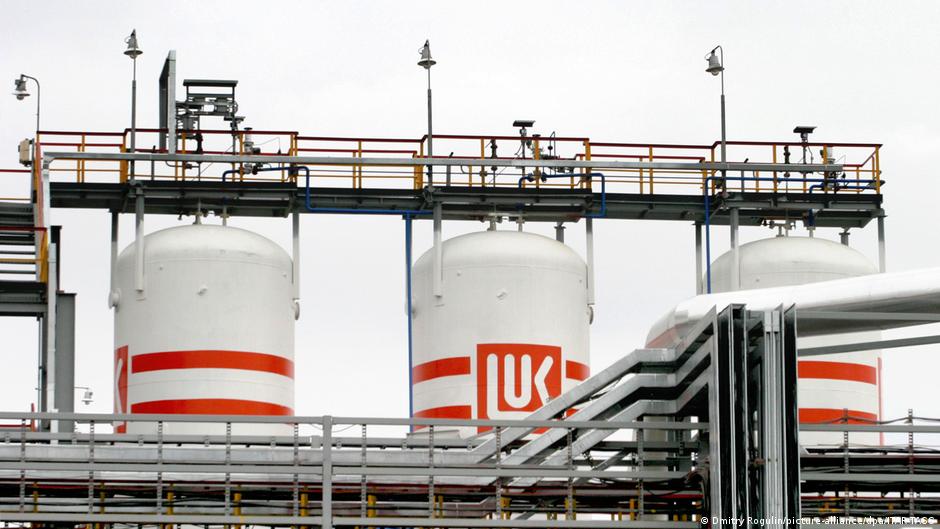
The Lukoil-operated Nizhnekamsknefteorgsintez (NORSI), one of Russia's largest oil refineries, has drastically reduced its processing capacity following a series of Ukrainian drone attacks. The primary crude distillation unit, which accounts for 53% of the plant's output, was shut down after strikes on the night of May 20, according to industry sources.
Located in Kstovo, NORSI is ranked as Russia's fourth-largest refinery and the country’s second-largest gasoline producer. Prior to the attack, it processed approximately 16 million tonnes of crude oil annually, translating to around 320,000 barrels per day. The shutdown of its AVT-6 primary distillation unit has cut refinery throughput by more than half, significantly reducing fuel production volumes.
Market Implications and Sector Impact
The strike marks the second time in two months that the refinery has been forced to suspend operations due to drone attacks, having suffered damage in early April as well. Moreover, other major refineries in central Russia have similarly scaled back or halted operations amid a wave of recent Ukrainian drone strikes. Collectively, these refinery outages represent over 83 million tonnes of refining capacity annually—approximately a quarter of Russia's total refining ability.
"Approximately 30% of gasoline and 25% of diesel fuel production in Russia is impacted by these refinery shutdowns," industry insiders revealed.
The disruption is poised to tighten domestic fuel supply in Russia, placing upward pressure on fuel prices and potentially affecting the broader commodities market. Investors should anticipate increased volatility in Russian energy equities and consider the implications for related bond markets given the operational uncertainties and geopolitical risks.
Market participants are closely monitoring Russia's Ministry of Energy response, which has so far declined to comment on these developments. The ongoing attacks underscore the vulnerability of Russian energy infrastructure, raising concerns about production stability and export capabilities. These factors contribute to an increasingly uncertain environment for investors with exposure to Russian oil and fuel sectors.
In summary, the recent drone strikes have dealt a significant blow to Russia's refining capacity, reducing Lukoil's NORSI output by more than half and affecting a substantial portion of national fuel production. The resultant supply constraints and geopolitical tensions are likely to influence market sentiment, equity valuations, and fixed income instruments tied to the Russian energy industry.