US Charges Raul Castro in 1996 Killing of Pilots, Raising Geopolitical Risks for Markets
Former Cuban leader Raul Castro indicted over 1996 shootdown of US-based pilots, potentially heightening tensions impacting investor sentiment.
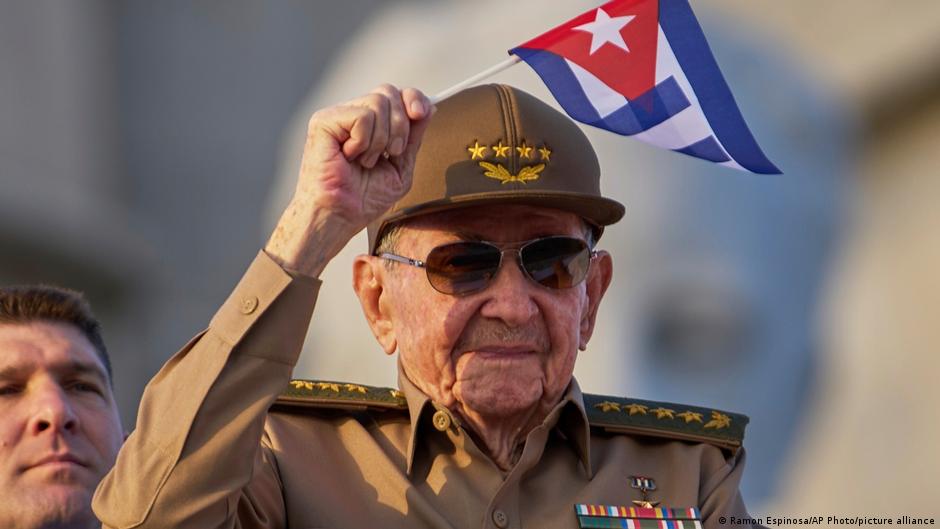
The US Department of Justice has formally charged former Cuban leader Raul Castro with conspiracy to murder US citizens, connected to a 1996 incident in which four American pilots were killed. This development introduces new geopolitical uncertainties that investors in equities and bonds linked to Latin America and emerging markets should monitor closely.
Background on the 1996 Incident and Legal Action
Raul Castro, who served as Cuba's Minister of Defense at the time, is accused of orchestrating the shootdown of two planes operated by the Miami-based group Brothers to the Rescue. The organization was involved in humanitarian efforts to assist Cuban refugees fleeing by sea. Cuban fighter jets shot down the planes over international waters, killing all four US citizens onboard.
"My message is clear. The United States and President Trump will not forget their citizens," stated acting US Attorney General Todd Blanche, signaling a firm stance on accountability despite Castro's advanced age of 94.
The US government has indicated that if Castro does not voluntarily appear to face charges, he may be forcibly brought to the United States. While largely symbolic given Castro’s age and political status, the indictment underscores ongoing tensions between Washington and Havana.
Market Implications and Investor Considerations
Raul Castro's indictment arrives amid a backdrop of escalating US-Cuba tensions, including recent US sanctions and an energy blockade following US moves against Venezuela’s regime, a key Cuban ally. Such geopolitical strains could influence US-Latin America relations, with potential spillover effects on regional markets.
Equity markets sensitive to geopolitical risk, especially those with exposure to Latin American economies or commodities linked to the Caribbean region, may see increased volatility. Fixed income investors should also watch for widening spreads on sovereign bonds of countries in the region due to perceived risks of further US sanctions or diplomatic fallout.
Moreover, the indictment could signal a broader US policy posture under the Trump administration, which has emphasized a hardline approach toward Cuba, reversing the prior era’s détente. This may impact international investors' appetite for Cuban assets or those connected through regional trade and investment networks.
Political analyst commentary suggests that despite the symbolic nature of the charges, the move reflects the US government’s intent to maintain pressure on Cuba’s ruling elite. Investors should remain cautious about potential escalations that might affect market confidence or disrupt supply chains.
A Message to the Cuban People and International Response
US Senator Marco Rubio, a son of Cuban immigrants, released a video urging Cubans to reject their socialist government. Rubio framed the indictment and US policy as part of a strategy to promote change on the island.
Despite these developments, Raul Castro was last seen publicly in early May and there are no indications he has left Cuba or will be extradited. His historical role includes overseeing the rapprochement with the US under President Obama, which was later reversed by the Trump administration.
Investors should continue to monitor US government statements and broader geopolitical developments involving Cuba and Latin America. The interplay of sanctions, diplomatic measures, and domestic political changes may influence regional economic stability and investment climates in the near term.