Russian Defense Ministry Proposes Ending Mandatory Medical Exams for Contract Soldiers Amid Recruitment Challenges
The proposal to limit medical screenings to severe cases reflects recruitment difficulties, impacting military personnel policies and investor perceptions of defense sector stability.
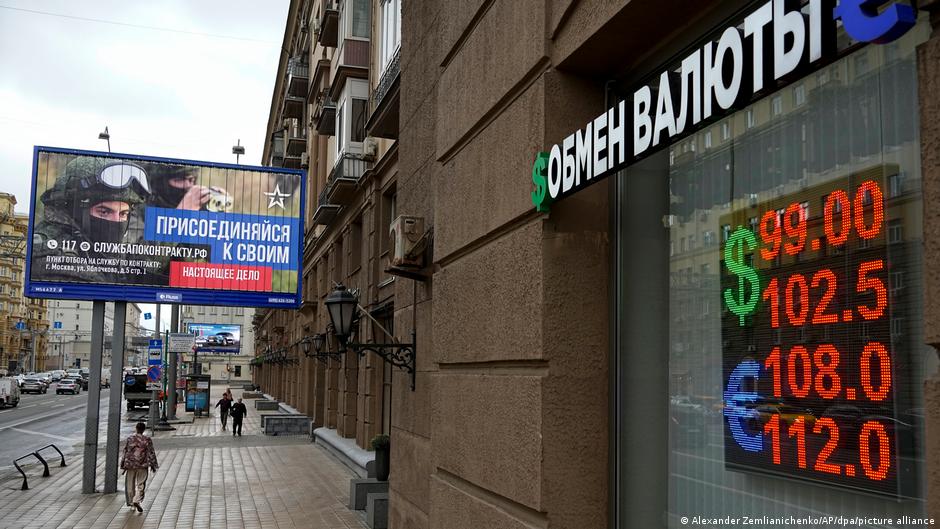
The Russian Ministry of Defense has submitted legislative amendments aimed at abolishing mandatory medical examinations for contract soldiers and mobilized personnel, except in instances of injuries or serious illnesses. This move, disclosed on July 3, 2023, signals significant challenges within Russia's military recruitment efforts amid the ongoing conflict in Ukraine.
Implications for Military Recruitment and Market Sentiment
Under the proposed legal changes, compulsory medical assessments during mobilization, martial law, or wartime would only be conducted for individuals presenting physical injuries or health conditions that might render them partially or fully unfit for service. The Defense Ministry will determine the specific procedures for these conditional medical evaluations.
Experts and rights groups interpret the proposal as indicative of mounting difficulties in attracting contract soldiers. Grigory Sverdlin, head of the "Idite Lesom" project—an organization that assists individuals in avoiding conscription—noted, "Apparently, the situation with contract recruitment is so dire that mandatory medical examinations are being considered for removal. If implemented, medical screenings would no longer be standard but reserved only for exceptional cases."
These developments come against a backdrop of intensified measures to bolster troop numbers. Recent initiatives include debt forgiveness legislation for new contract soldiers, recruitment drives extending to Belarus and China positioning "rear service" vacancies, and coercive tactics reported in Russia’s Penza region, where men were compelled to sign contracts with the Defense Ministry. Additionally, rumors of a new mobilization wave have circulated in the media.
"If the law is passed, medical evaluations will be conducted not by default but only in specific cases," said Grigory Sverdlin, highlighting recruitment strains.
From a capital markets perspective, these policy shifts reflect operational stress within Russia's defense apparatus, raising concerns about the sustainability of military human resources. For investors, particularly in defense-related equities and sovereign bonds, the moves may introduce added uncertainty regarding the Kremlin’s capacity to maintain prolonged military engagement without escalating social or economic disruptions.
Moreover, the softened medical screening requirements could potentially impact the quality and readiness of Russian military personnel, factors that may indirectly influence market perceptions of geopolitical risk and the broader investment climate in Russia.