Over 180 Drones Intercepted Near Moscow Amid Nighttime Attacks, Raising Market Concerns
More than 180 unmanned aerial vehicles were shot down near Moscow during a large-scale drone attack, disrupting logistics and prompting airspace restrictions.
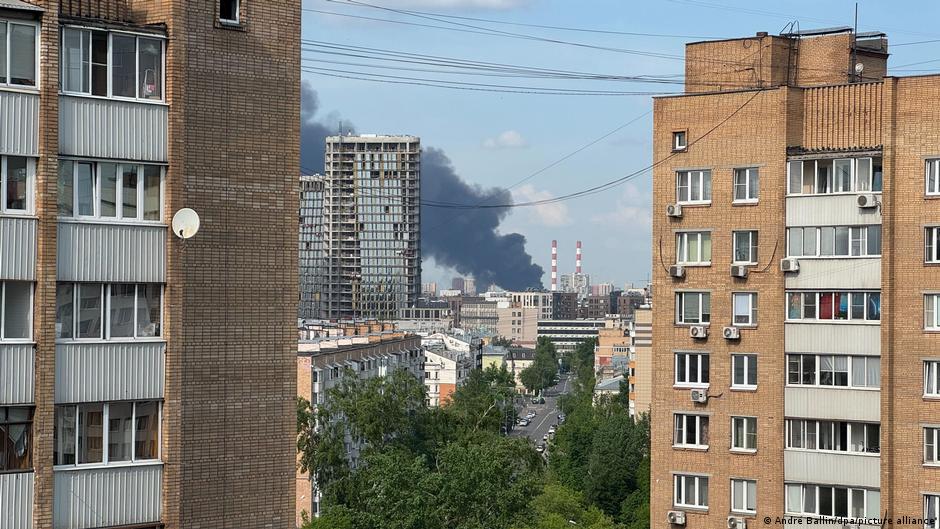
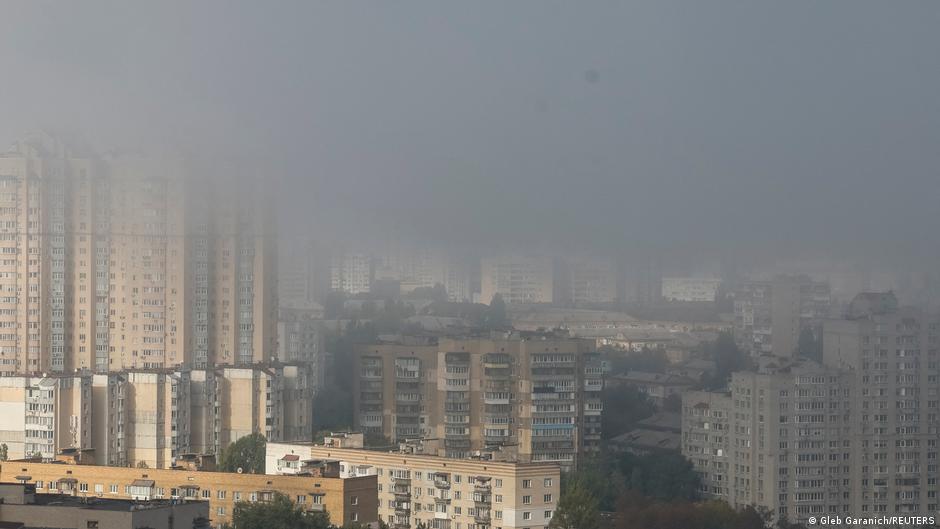
On the night spanning August 17 to August 18, Moscow and its surrounding region experienced a significant wave of drone incursions, with over 180 unmanned aerial vehicles (UAVs) intercepted and destroyed. According to the Mayor of Moscow, Sergey Sobyanin, a total of 620 drones were detected flying towards the Moscow region during the nighttime hours.
Impact on Transportation and Infrastructure Raises Investor Concerns
The drone attacks targeted multiple areas, though specific objectives remain unconfirmed. Reports indicate explosions were heard near Noginsk, Zheleznodorozhny, Elektrostal, and Pavlovsky Posad, highlighting a broad geographic spread of the incursions.
Notably, the residential complex "Duna" in Kotelniki—located near the Moscow Oil Refinery (Moscow NPP)—sustained damage during the attacks. This refinery has been previously targeted in similar drone incursions, pointing to a potential strategic focus.
Beyond property damage, the strikes caused injuries to civilians in the Moscow region. A 10-year-old girl sustained shrapnel wounds to her hand in Ramensky District, while other injuries were reported in Bogorodsky District and Kolomna. Additionally, a fire broke out at a retail pavilion near the "Globus" shopping center in Kolomna after drone debris ignited it. A Wildberries warehouse in the Bogorodsky area also suffered damage from drone strikes.
"More than 180 drones were eliminated over the Moscow region from Monday evening until early Tuesday morning," Mayor Sobyanin said.
These events led to temporary restrictions on air traffic at key Moscow airports, including Vnukovo, Domodedovo, and Zhukovsky. Sheremetyevo Airport also saw limitations on airspace usage, with flights operating only under strict coordination with aviation authorities.
Video footage circulating on social media and monitored by the Ukrainian Telegram channel Exilenova+ appears to show the drone attacks and air defense responses near Moscow. Analysts watching these developments note the potential repercussions for regional supply chains, infrastructure stability, and investor confidence.
Market Reactions and Investor Implications
From a capital markets perspective, these drone attacks have introduced fresh risk factors for investors with exposure to Russian equities and fixed income, particularly in sectors related to energy, logistics, and real estate. The repeated targeting of the Moscow Oil Refinery (NPP) highlights vulnerabilities in critical infrastructure that could disrupt oil processing and distribution, potentially impacting energy prices and company valuations.
The airspace restrictions at major airports have immediate implications for transport and logistics companies, with possible delays and increased operational costs. Additionally, damage to retail hubs and residential complexes adds to concerns about asset security and insurance liabilities.
Investors should monitor developments closely, as escalating regional conflicts and security incidents could weigh on market sentiment. While the Russian government’s swift air defense response demonstrates operational capabilities, the scale of drone activity points to persistent security challenges that may influence investment risk assessments.
Market participants are advised to consider these geopolitical risks in portfolio strategies, evaluating exposures to vulnerable sectors and companies operating in or near affected areas.