Russian Election Chief Supports Stripping Voting Rights from Emigrated Citizens Marked as Foreign Agents
Ella Pamfilova advocates voting restrictions for Russians abroad labeled as foreign agents, signaling potential impacts on investor sentiment and market stability.
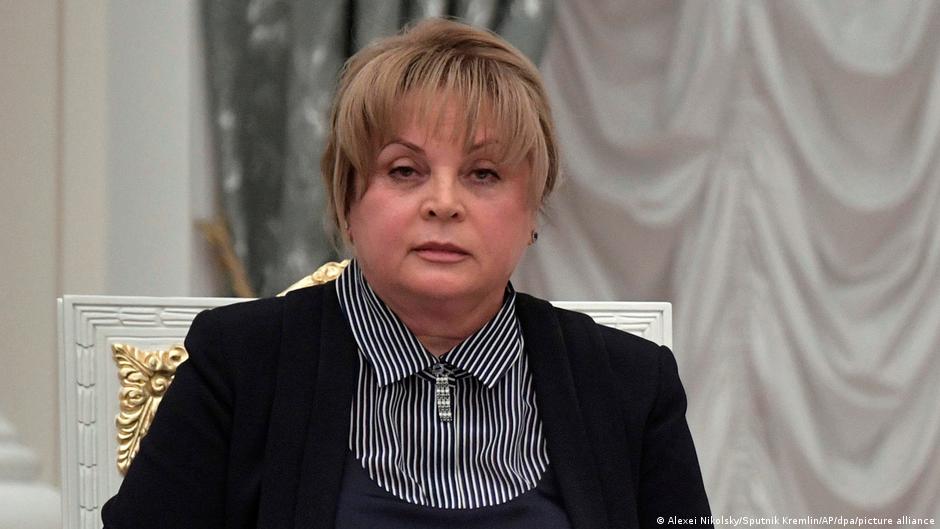
Ella Pamfilova, chair of Russia's Central Election Commission (CEC), has publicly stated that Russians who have emigrated and been designated as foreign agents should be deprived of their voting rights in future elections. This stance introduces a new dimension to political risk considerations for investors monitoring Russia’s capital markets and political environment.
Political Developments and Market Implications
In an interview with Russian media, Pamfilova expressed a firm viewpoint: "I believe that those who have left the country, having betrayed it, should be excluded from voting." She emphasized that the question of whether foreign agents can vote in future elections is ultimately a matter for the new State Duma lawmakers to decide.
The term "foreign agents" (иноагенты) in Russia refers to individuals and organizations subject to increased government oversight due to alleged foreign funding or influence. The registry began in 2012 with nonprofit organizations, expanding to media outlets in 2017 and individuals in 2020. This designation imposes strict compliance obligations and public scrutiny, complicating operations and affecting reputations.
From a capital markets perspective, such political measures contribute to uncertainty affecting Russian equities and sovereign bonds. Restrictions on voting rights for emigrants—who often include highly skilled professionals and investors—may signal deepening political isolation and tighter state control. This could have implications for foreign investment flows and risk premiums demanded by international investors.
"We have provided several measures to minimize risks, including coordination with Russian diplomatic staff in 'unfriendly' countries," Pamfilova noted on election security efforts abroad.
She acknowledged that in countries classified by Russia as "unfriendly," Russian ambassadors have been asked to confirm election security arrangements. This approach reflects concerns about electoral integrity but also points to geopolitical tensions that could influence Russia’s access to capital markets and cross-border investment partnerships.
Importantly, Pamfilova stressed that Russia’s law enforcement agencies possess the necessary expertise to determine which individuals may be disqualified from voting, indicating a legal framework that could expand restrictions. Such developments contribute to an environment where political decisions increasingly intersect with investor confidence and market dynamics.
The foreign agent label entails significant operational challenges including mandatory labeling of publications, disclosures, fines, and potential criminal charges for non-compliance. The inability to effectively challenge this status in courts underscores the regulatory risks faced by affected entities and individuals.
For investors, particularly those with exposure to Russian equities or sovereign debt, developments surrounding electoral rights and the foreign agent designation highlight the growing political risk premium embedded in asset prices. Market participants may interpret these moves as indicative of heightened government control and a constrained political landscape, which could affect capital inflows and valuations.
In summary, Pamfilova’s position on disenfranchising emigrated Russians classified as foreign agents signals increased politicization of electoral participation with potential ripple effects across Russia’s capital markets. Investors should closely monitor legislative changes and geopolitical developments as part of their risk assessment frameworks.