EU’s Kaja Kallas Warns of Geopolitical Moves by Russia, China, and US to Weaken Union
EU foreign policy chief highlights risks of bilateral deals undermining European unity amid global power competition.
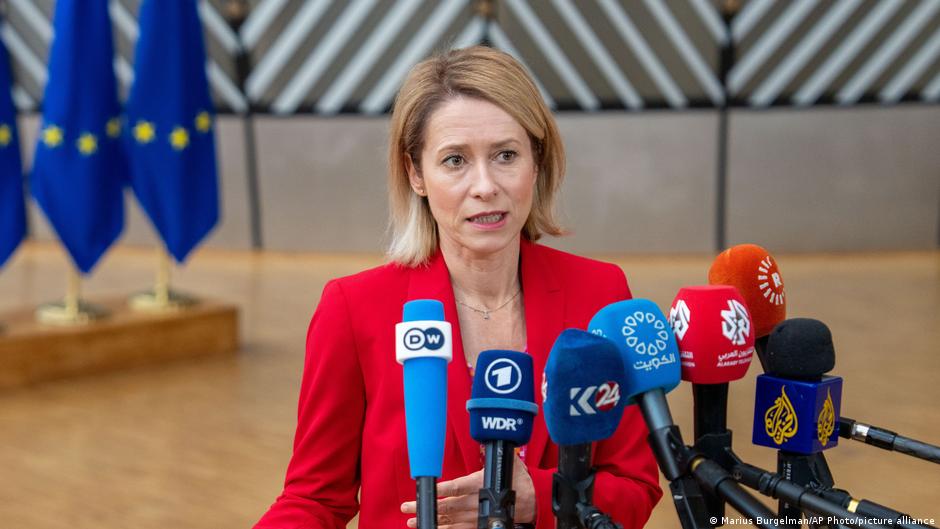
European Union High Representative for Foreign Affairs and Security Policy Kaja Kallas has expressed deep concerns over attempts by Russia, China, and the United States to destabilize the European Union by undermining its cohesion. Speaking at the Lennart Meri Conference in Tallinn on May 17, Kallas emphasized the EU’s strength lies in unity and warned that external powers are employing "divide and conquer" tactics to weaken the bloc.
Implications for EU Capital Markets and Investors
Kallas’s remarks carry important implications for capital markets within the European Union. Investors and market participants monitoring equities and sovereign bonds must be mindful of the geopolitical risks that could impact investor confidence and economic stability. The foreign policy chief’s warning that some member states are pursuing bilateral agreements with Washington, rather than reinforcing EU-wide cooperation, signals potential fragmentation that could introduce uncertainty across markets.
According to Kallas, "It is certainly easier for external powers to deal with individual smaller countries than with a united bloc acting as an equal force." This dynamic may affect the regulatory and economic environment for cross-border trade and investment in Europe, potentially weighing on the Eurozone’s bond issuances and stock market valuations amid fears of political instability.
"If we stand together, if we act collectively, then we are strong," Kallas stated, highlighting the EU’s strategic imperative to maintain cohesion in the face of external pressures.
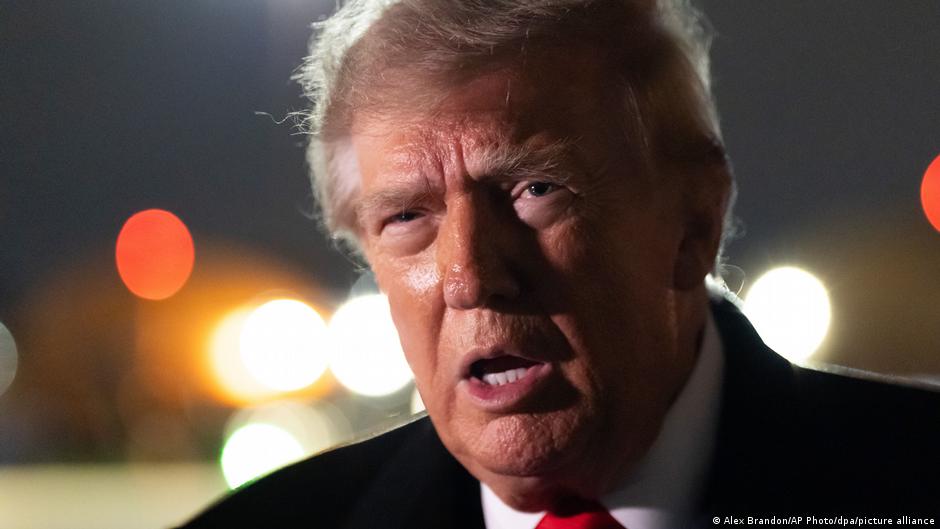
The EU has seen a series of attempts by member states to maintain direct communication channels with Washington, particularly since the second term of former U.S. President Donald Trump. For example, Italian Prime Minister Giorgia Meloni positioned herself as a potential mediator between Europe and the U.S., a strategy that ultimately faltered amid political controversies.
Capital market investors should monitor how these geopolitical tensions evolve, as fragmentation within the EU could lead to increased volatility in European equities and fluctuations in credit spreads on EU sovereign bonds. A less unified Europe risks diminished bargaining power on the global stage, potentially impacting trade agreements, foreign investment flows, and regulatory harmonization.
Kallas also rejected Russia’s proposal to appoint former German Chancellor Gerhard Schröder as the EU’s peace negotiator, citing concerns about allowing Moscow influence over the bloc’s diplomatic representation. This stance underscores the EU’s cautious approach to engagement with Russia amid ongoing geopolitical challenges.
In sum, Kallas’s statements serve as a reminder to investors and market watchers that the geopolitical landscape surrounding the EU remains complex and fluid. The interplay between political unity and external pressures will continue to shape capital market dynamics across Europe.