Trump, Putin and Xi Summit Puts Nuclear Risk on Investors’ Radar
The planned APEC meeting in Shenzhen could influence geopolitical risk premiums, although officials do not expect an immediate agreement.
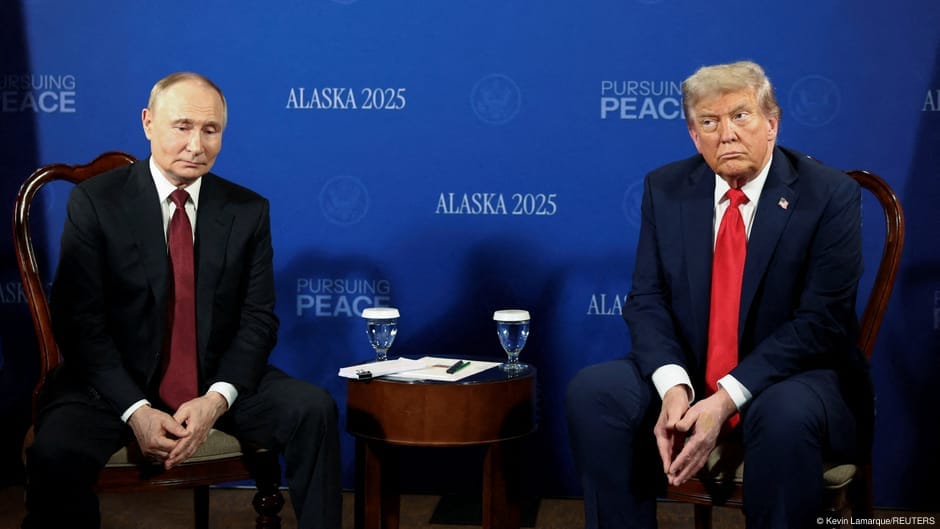
US President Donald Trump, Russian President Vladimir Putin and Chinese President Xi Jinping are set to meet on November 19 on the sidelines of the annual Asia-Pacific Economic Cooperation summit in Shenzhen, according to the White House. For investors, the first trilateral meeting of the three leaders places nuclear arms control and geopolitical risk at the center of the market agenda, even as officials caution against expecting an immediate breakthrough.
White House representative Olivia Wales confirmed the meeting after earlier media reports indicated that the three leaders would convene during the APEC gathering. The source article also describes the meeting as taking place on Thursday, October 19, creating a discrepancy with the stated November 19 date. No clarification of the conflicting dates was provided.
The principal subject is expected to be the development of a broad nuclear arms-control agreement. A senior US official told CNN that the talks should be viewed as an opening exchange among the leaders rather than a negotiating session likely to produce a signed accord.
“We do not expect any agreement to be concluded. I would characterize this as an initial stage, as a first conversation — at least at the leaders’ level — between these countries,” the official said.
Geopolitical Risk Moves Back Into Market Focus
The absence of an expected deal limits the prospect of an immediate repricing across global equities and government bonds. Nevertheless, the establishment of direct talks among Washington, Moscow and Beijing may matter to investors because nuclear tensions and great-power relations influence risk premiums, defense-sector expectations and demand for traditional havens.
Markets are likely to focus on the tone of the meeting and any indication that a longer diplomatic process will follow. A constructive outcome could modestly reduce geopolitical uncertainty, while hostile rhetoric or an abrupt breakdown could reinforce defensive positioning. The implications would potentially extend across Asian equities, European markets, US Treasuries and other sovereign bonds, although the source provides no specific market reaction or asset-price data.
The talks could also cover the US war against Iran and the situation surrounding North Korea, The New York Post reported, citing a Trump administration representative. Both issues carry potential consequences for investors through energy security, regional trade and broader risk sentiment. Any discussion affecting expectations for conflict involving Iran would be particularly relevant to markets exposed to oil supply risks, while developments concerning North Korea could shape sentiment toward Northeast Asian assets.
By contrast, officials have played down the likelihood that the leaders will discuss ending the war in Ukraine. Another US official said China was not a participant in that process and that discussing Ukraine in this setting would therefore be inappropriate. The official also said a bilateral meeting between Putin and Trump was not planned.
Ukraine Expectations Remain Constrained
The apparent exclusion of Ukraine reduces the chance that the summit will generate a direct catalyst for European assets tied to expectations of a ceasefire or settlement. Investors assessing European equities, regional sovereign bonds, defense companies and energy-sensitive industries may therefore find limited grounds to change their assumptions about the conflict solely because of the Shenzhen meeting.
The summit’s proposed agenda follows earlier reports about competing priorities among the participants. In October, The Wall Street Journal reported that Putin had proposed holding a trilateral meeting with Trump and Xi during the APEC forum in China. According to that report, the Russian leader wanted to discuss terms for ending Russia’s war against Ukraine without representatives of the European Union or Kyiv taking part.
Trump said he was prepared to attend such a meeting but wanted the discussion to address nuclear disarmament rather than the war in Ukraine. That distinction now appears to define the planned talks and reinforces the expectation that the meeting will begin a strategic dialogue rather than attempt to settle an active conflict.
China has also signaled that it is not preparing for Ukraine negotiations at the summit. German President Frank-Walter Steinmeier said in an early-November interview with public broadcaster ARD that he had discussed the possible trilateral meeting with Xi during an official visit to China.
Xi separately emphasized that Ukraine was a European conflict and that Europeans must be present at the negotiating table, Steinmeier said.
For capital markets, the key question is whether the meeting produces a durable channel for communication among the three nuclear powers. With no agreement expected and Ukraine unlikely to feature, investors may treat the summit primarily as a signal about future diplomatic engagement. The immediate market impact may depend less on formal deliverables than on whether the leaders lower tensions, establish follow-up talks or introduce new uncertainty into already elevated geopolitical risk assessments.



