EU Halves Duty-Free Steel Import Quota, Imposes Higher Tariffs to Protect Domestic Industry
The European Union reduces duty-free steel import quota by 47%, increasing tariffs on excess imports to 50%, impacting steel equities and markets.
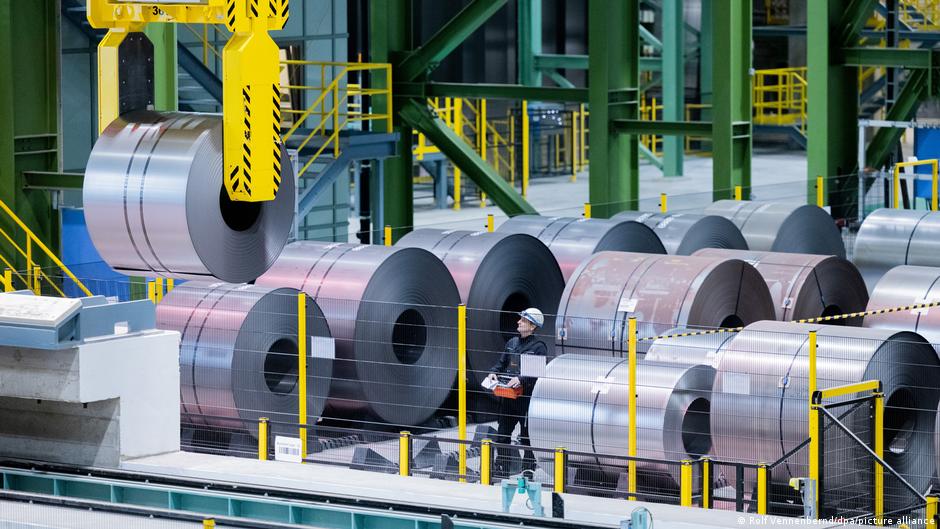
The European Union has introduced stringent new measures aimed at curbing steel imports and protecting its domestic industry. Effective July 1, the EU has cut its duty-free steel import quota by nearly half, reducing it by 47% to 18.3 million tonnes per year. Imports exceeding this quota will now be subject to a 50% tariff, double the previous rate.
Market Implications of EU’s Steel Import Restrictions
This move is designed to shield EU steel producers from a surge of low-cost imports, particularly from China, which dominates global steel production. According to the World Steel Association, China produced approximately 961 million tonnes of steel in 2023, accounting for over half of the world’s total output. By contrast, Germany—the largest steel producer within the EU—manufactured around 34 million tonnes.
The EU’s steel import quota system includes country-specific limits, and any unused quotas can be carried over to subsequent quarters. The heightened 50% tariff on steel imports exceeding the quota signals a tougher trade stance and is expected to alter supply dynamics significantly.
"The new tariff structure aims to prevent the flood of cheap steel imports that have pressured European producers and distorted global market prices."
From a capital markets perspective, these regulatory changes are likely to impact steel industry equities and related sectors. European steelmakers may benefit from reduced foreign competition, potentially improving revenue forecasts and investor sentiment. Conversely, companies reliant on imported steel or operating in steel-consuming industries might face higher input costs, influencing profit margins.
Furthermore, bond markets could experience shifts as steel producers adjust their capital structures in response to altered trade conditions. Investors should also monitor the potential for retaliatory tariffs or trade tensions that could ripple through related markets.
Overall, the EU’s revised steel import policy signifies a strategic effort to bolster domestic manufacturing amid global supply imbalances. Market participants are advised to assess sector-specific risks and opportunities arising from these trade policy changes.