Audi’s $4 Billion US Plant Sharpens Volkswagen’s Tariff Trade-Off
Audi’s $4 billion Georgia plant could curb tariff exposure, but it adds a major long-term spending commitment as Volkswagen cuts costs globally.

Audi’s $4 billion Georgia plant could curb tariff exposure, but it adds a major long-term spending commitment as Volkswagen cuts costs globally.

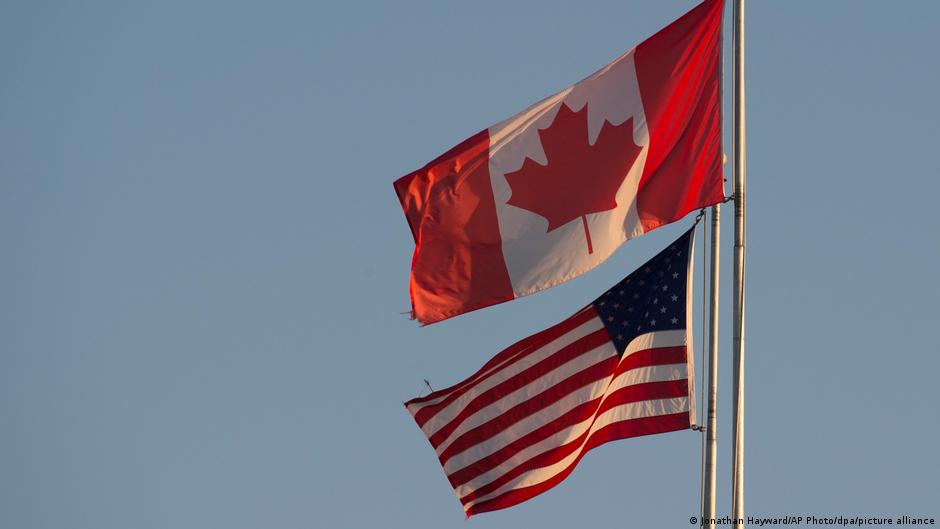
Washington will lift 50% duties on selected Canadian goods from October 30 while imposing tariffs on other products, shifting risks across exposed sectors.

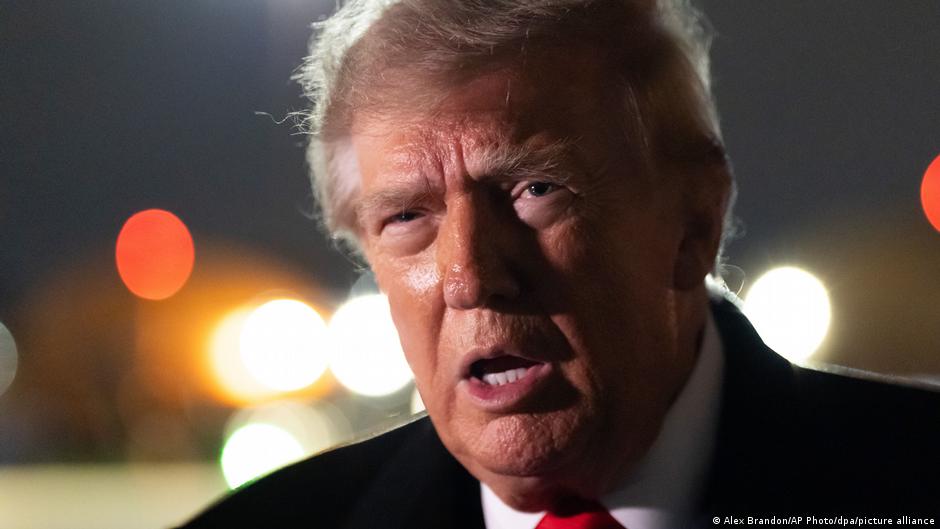
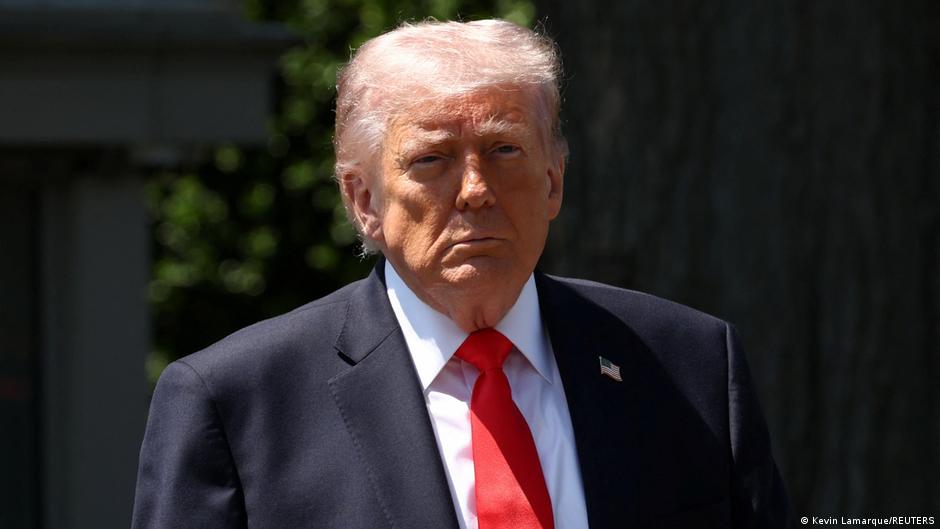
Trump postponed sweeping Russia tariffs, citing Ukraine negotiations, Iran and diesel supplies, while retaining the option to impose them later.

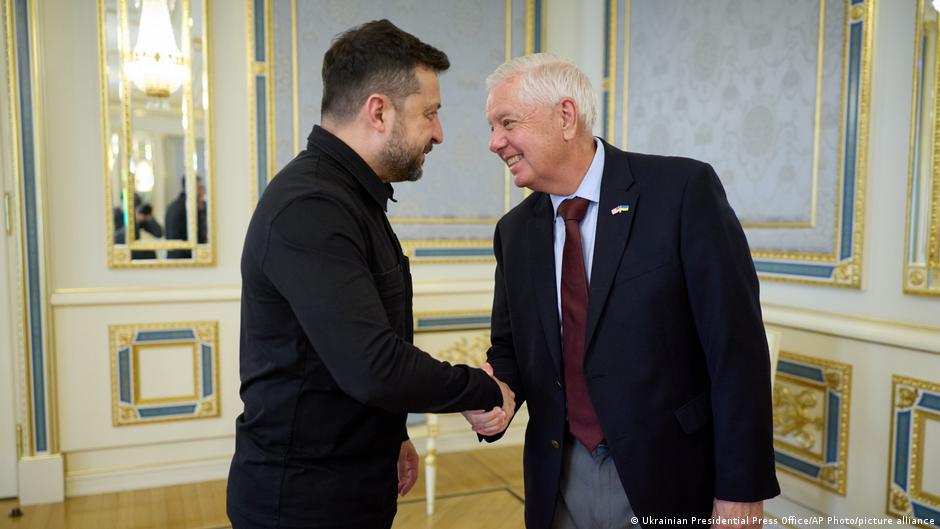
Trump signed the Graham sanctions law, giving the White House new tariff powers over Russian energy buyers and raising market uncertainty.

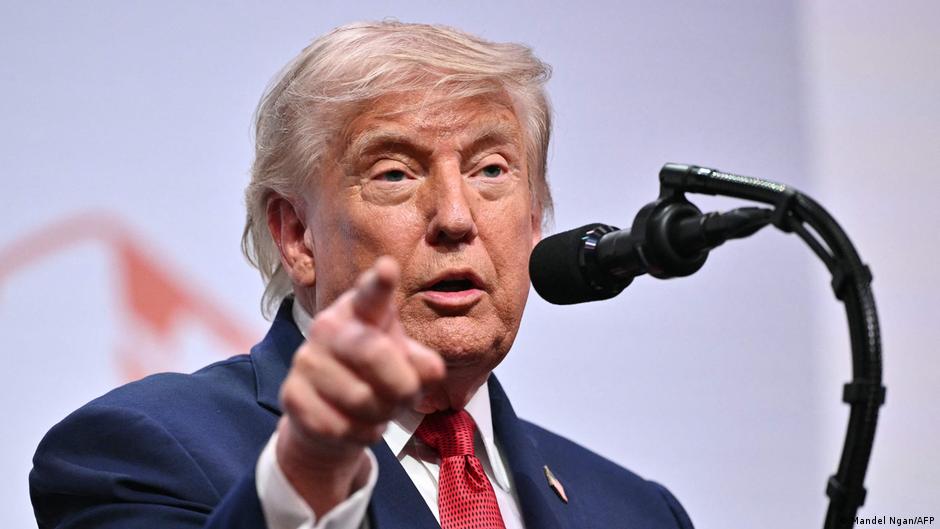
Trump’s threat to halt EU trade over closer EU-Canada ties raises tariff risks for equities, bonds and global supply-chain investors.

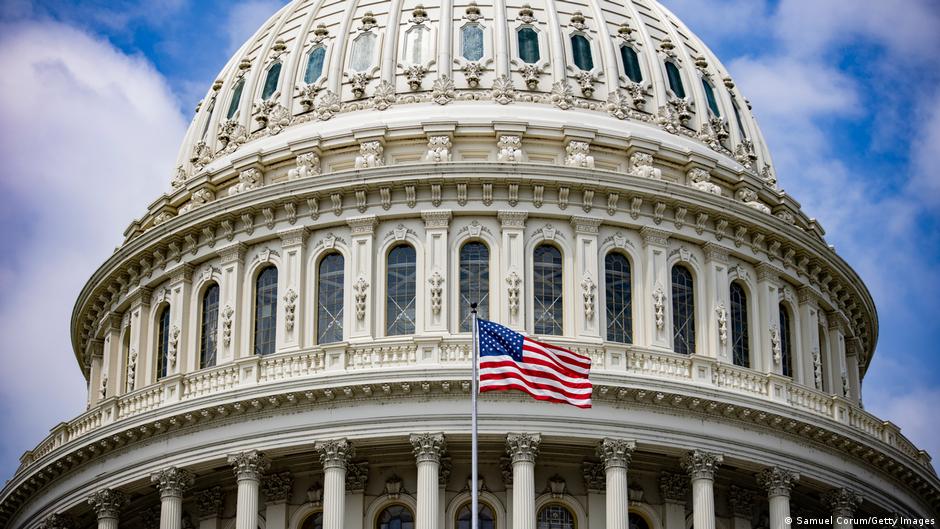
The House advanced a sanctions bill that could allow 100% tariffs on major buyers of Russian energy, adding tariff and inflation risk for investors.

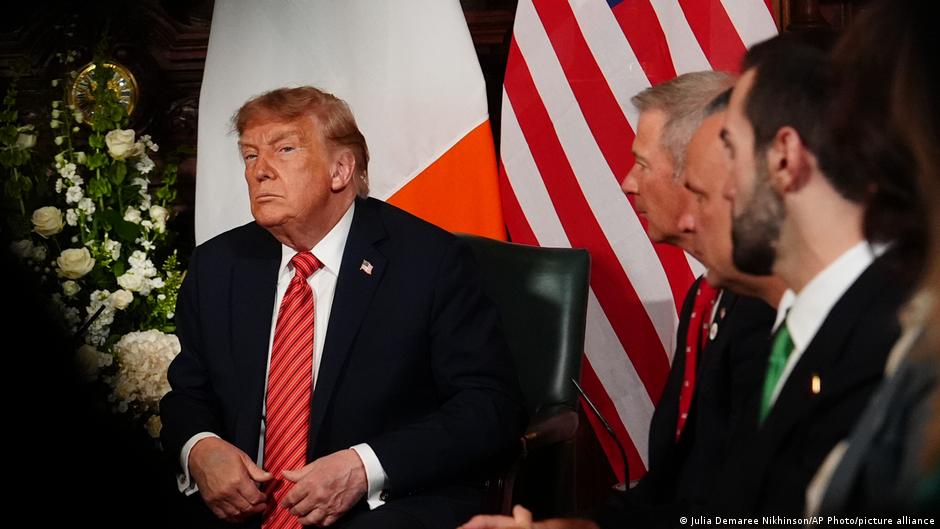
Trump said the U.S. will remove a 10% tariff on Irish whiskey imports, a narrow trade move investors will track for implementation.

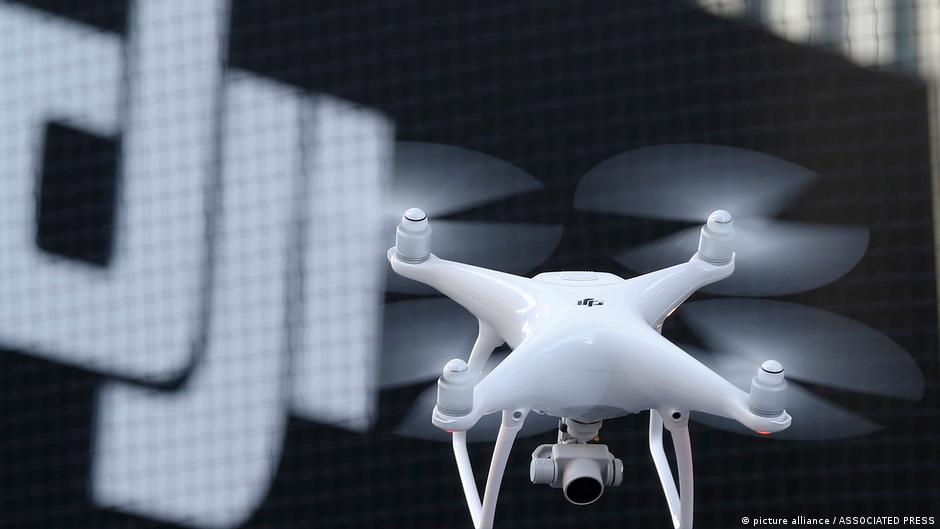
US tariffs up to 100% on drone imports introduce risks and opportunities for investors in defense and technology sectors amid supply chain realignments.

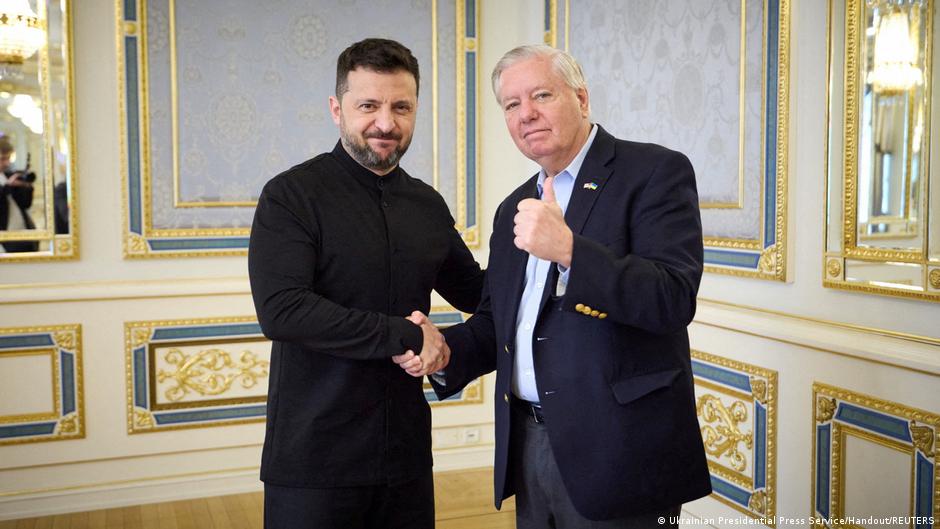
The US Senate's new sanctions against Russia targeting energy and finance sectors are welcomed by European and Ukrainian leaders, influencing markets and investor strategies.

The US Senate advances legislation imposing steep tariffs on Russia, signaling increased geopolitical risks that could affect energy markets and investor portfolios.

The US has imposed 50% tariffs on $20 billion of Canadian goods, escalating trade tensions and impacting equities and bonds across sectors including automotive and agriculture.

Trump accuses China of accessing data on 220 million US voters and interfering in the 2020 election, raising concerns about election security and political risk in markets.

The US is advancing plans to revive an Iraq-Syria oil pipeline to bypass the Strait of Hormuz, aiming to reduce Iran’s influence and alter energy market dynamics.

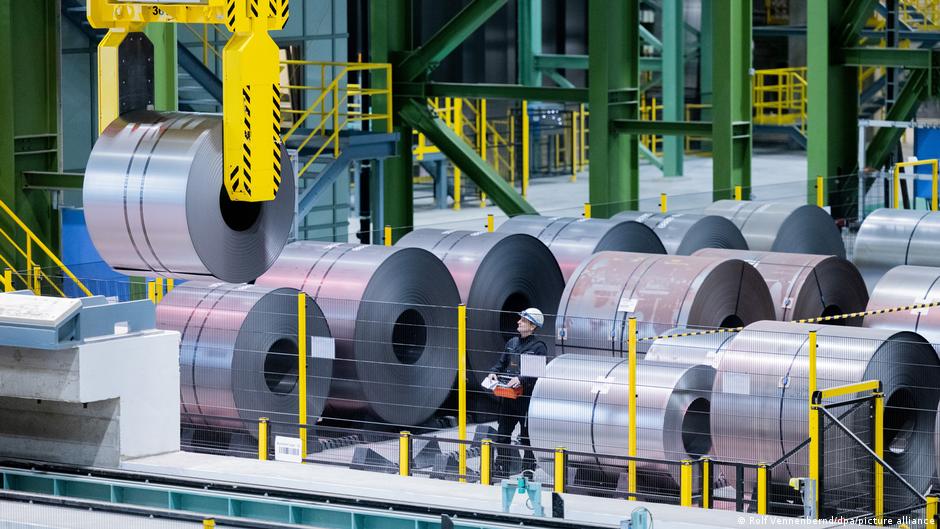
The EU cuts duty-free steel import quotas by 47% and doubles tariffs on excess imports, affecting steel equities and market dynamics.

The US House approves expanded sanctions on Russia and aid to Ukraine, with Senate approval pending, prompting market volatility and investor caution.

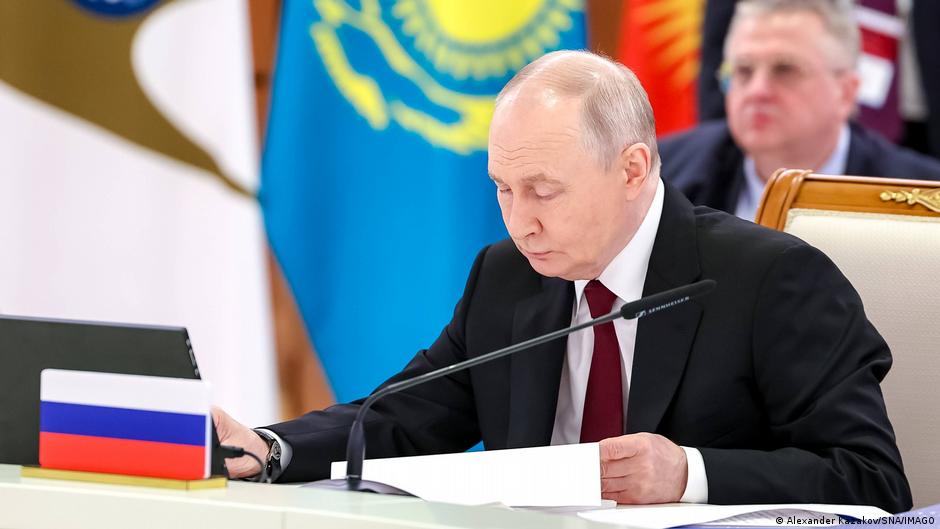
Putin threatens higher tariffs on Armenia amid its EU rapprochement, raising concerns about trade disruptions and market risks in Armenian equities and bonds.

Hungary reinstates a ban on Ukrainian agricultural imports, affecting regional trade and agricultural markets, while reversing its exit from the International Criminal Court.

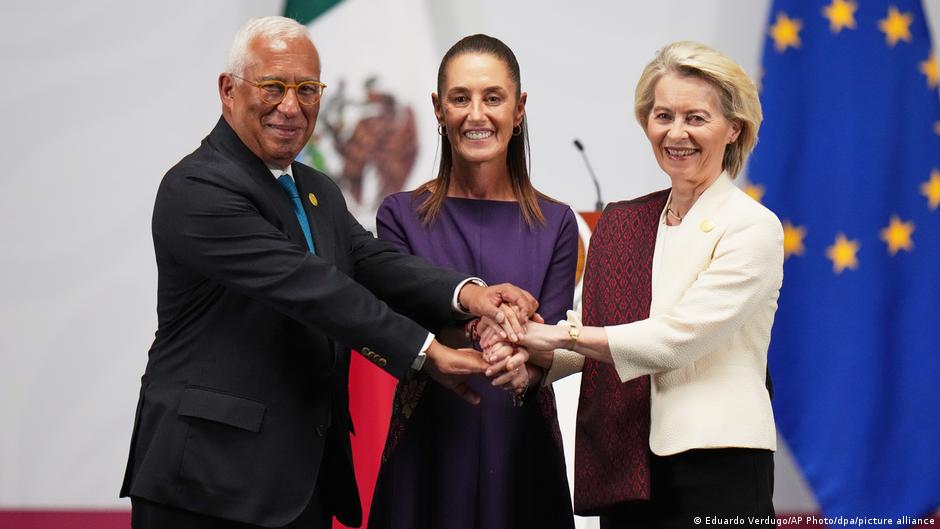
The EU-Mexico trade agreement removes tariffs and trade barriers, potentially boosting exports and investment flows, impacting equities and bonds in both regions.

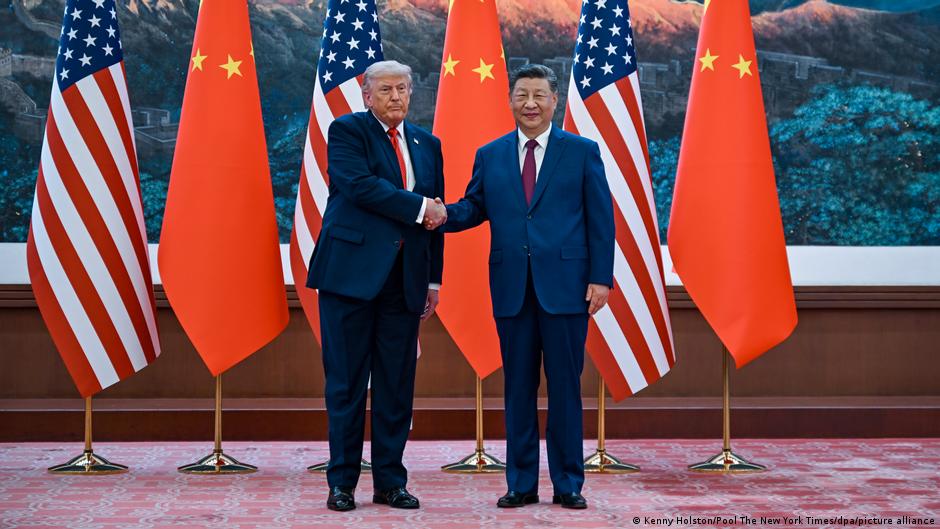
Trump and Xi Jinping meet in Beijing to discuss Iran, trade, and Taiwan, with investors closely watching for impacts on global markets and trade relations.

US President Trump delays 25% tariffs on EU autos to July 4, easing immediate market concerns but keeping investor caution high amid ongoing trade tensions.

US tariff hikes on EU autos raise fears of a German recession in 2026, unsettling capital markets and prompting investor caution amid escalating trade tensions.

The EU-Mercosur free trade agreement begins provisional application, offering new opportunities and challenges for investors in equities and bonds amid regulatory and environmental concerns.

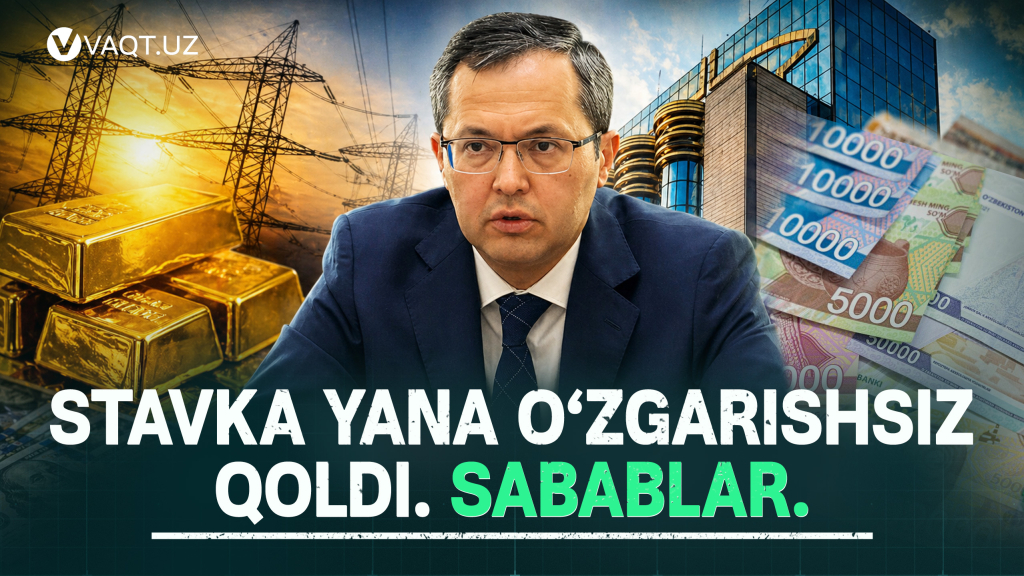
The Central Bank keeps the key rate at 14%, balancing declining inflation against rising food prices and external risks, impacting capital markets and investor outlook.