US Lifts 50% Tariffs on Select Canadian Goods, Shifts Trade Burden
The White House removed duties from several Canadian product groups while imposing tariffs on a new range of consumer and industrial goods.
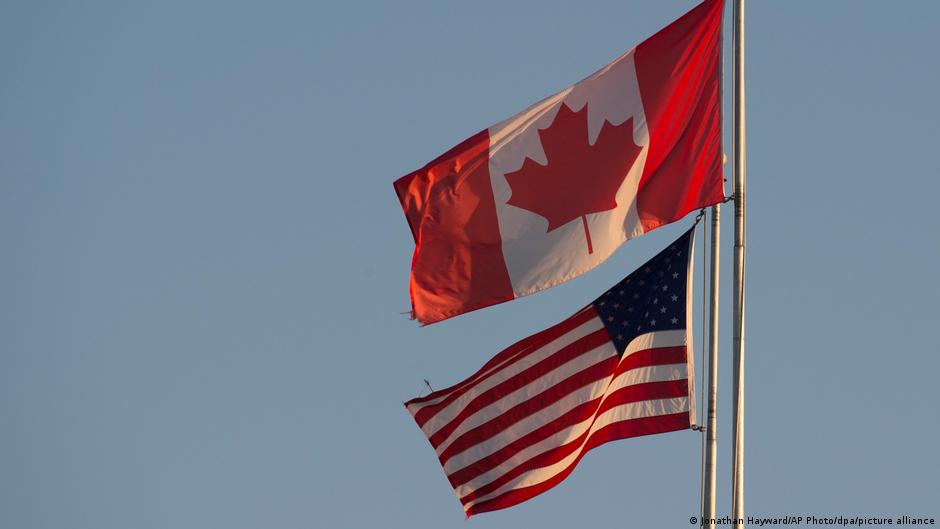
US President Donald Trump has ordered the removal of 50% customs duties on a selection of Canadian goods from October 30, while extending tariffs to other imports from the neighboring country. For capital markets, the move redistributes rather than eliminates trade risk, changing the outlook for companies exposed to cross-border supply chains without resolving the broader dispute between Washington and Ottawa.
Trump signed the executive order on Friday, October 23. The goods relieved of the elevated duties include plywood, certain paper products, machinery used by the pulp and paper industry, packing cases and cardboard boxes, as well as fresh and dried seaweed.
The decision may ease cost pressures for US businesses that import those products and for Canadian suppliers serving the American market. Plywood, packaging materials and paper-industry equipment feed into several corporate supply chains, meaning the removal of tariffs could affect input costs, margins and purchasing decisions. However, the source announcement provided no figures for the value of the affected trade and reported no specific movement in equities, bonds or currencies.
Tariff exposure moves to new industries
Alongside the exemptions, the White House added a separate group of Canadian products to the tariff list. These include carpets, paints, shampoos, cocoa powder, wooden coffins, ice-pop sticks, air conditioners, freezers, archery goods and canoes.
The mixed package presents investors with a sector-by-sector policy shift. Producers and distributors connected to the newly protected product categories may benefit from reduced Canadian competition in the US market, while importers could face higher costs. Canadian exporters in those categories may also confront weaker pricing power or demand if the tariffs make their goods more expensive for American buyers.
For equity investors, the immediate task is to identify companies with meaningful revenue or procurement exposure to the products covered by the order. The varied list reaches construction materials, consumer goods, household equipment and recreational products, limiting the usefulness of a single broad market interpretation. The absence of disclosed trade values also makes it difficult to judge the aggregate earnings impact from the announcement alone.
Bond investors may focus less on the individual products than on what the policy says about the durability of US-Canada trade tensions. Repeated tariff changes can complicate corporate investment, inventory planning and capital expenditure, potentially influencing credit assessments for issuers with concentrated cross-border operations. At the same time, easing the 50% duties on some industrial inputs could reduce pressure on costs for affected companies.
Ottawa reviews Washington’s decision
Canadian Intergovernmental Affairs Minister Dominic LeBlanc, who is also responsible for trade with the United States, said Ottawa was assessing the US action.
Ottawa is “ready to work constructively and in good faith toward building a more mutually beneficial trade relationship that takes Canada’s interests into account,” LeBlanc said.
His response signals that Canada has not yet announced a further retaliatory measure. Investors will nevertheless be watching Ottawa’s assessment for any decision that could widen the range of affected goods or prolong uncertainty for Canadian exporters and US importers.
The dispute over the US-Canada trade agreement and the two countries’ reciprocal 50% tariffs has become a prominent sign of deteriorating relations since Trump returned to the presidency. Trump has also repeatedly raised the possibility of incorporating Canada into the United States as its 51st state, adding a broader political dimension to the commercial confrontation.
Earlier restrictions remain part of the risk picture
At the end of September, the United States suspended imports of several Canadian products for an indefinite period. The restrictions covered alcoholic beverages, beer, sparkling wine and whey, certain dairy products and motorcycles.
Washington took that step after Ottawa responded in kind to higher US customs duties introduced in August. That sequence of measures underscores the risk of retaliation and policy escalation, even as the latest order offers relief to selected industries.
For investors today, the order is best viewed as a reallocation of tariff exposure rather than a broad thaw in bilateral relations. Companies linked to plywood, paper, packaging and pulp-and-paper machinery may see a more favorable cost or demand environment from October 30. Businesses tied to the newly tariffed consumer, household and leisure categories face the opposite pressure.
The next market-relevant signals will come from Canada’s review and any subsequent response, as well as from corporate disclosures about the effect on costs, sales and supply chains. Until those details emerge, the wider investment implication remains continued policy uncertainty across one of the world’s most closely integrated trading relationships.