Ukraine Talks May Return to Abu Dhabi or Switzerland in November
A possible new round of US, Ukrainian and Russian negotiations offers investors a diplomatic signal but no evidence yet of a breakthrough.

A new round of negotiations involving the United States, Ukraine and Russia could take place within weeks in Abu Dhabi or Switzerland, potentially giving capital markets a fresh diplomatic signal as investors continue to assess the economic and geopolitical consequences of the war.
Reuters reported on Friday, October 23, citing unnamed government sources, that the delegations may meet in the capital of the United Arab Emirates or in Switzerland. Russia had previously outlined plans for trilateral negotiations in November, while Kyiv has characterized the planned talks as technical preparations for a possible meeting at the leadership level.
For investors, the proposed meeting is significant primarily as an indication that diplomatic channels remain open. The available information does not establish that an agreement is close, however, and two earlier rounds of closed-door talks in Abu Dhabi failed to deliver a breakthrough toward ending Russia’s war against Ukraine.
Markets Face a Diplomatic Signal, Not Yet a Settlement
The prospective discussions would involve delegations from Ukraine, Russia and the United States. It remains unclear whether Ukrainian and Russian representatives would negotiate directly or communicate through US mediation. A Washington representative said the ultimate objective of the possible talks would be to prepare a summit.
That distinction matters for capital markets. Technical negotiations can reduce uncertainty by clarifying positions and establishing a process, but their immediate effect on the outlook for equities, sovereign bonds and risk assets depends on whether they lead to decisions by national leaders. Without a concrete agreement, investors are likely to treat the meeting as an early-stage diplomatic development rather than a decisive change in the war’s trajectory.
Ukrainian President Volodymyr Zelensky said on October 23 that an agreement had been reached to hold a trilateral meeting among Ukraine, the United States and Russia at the level of negotiating teams. Speaking by video link to the Hudson Institute, a conservative US think tank, he said the meeting was planned for the first half of November.
“We are ready to meet on any day — even tomorrow. But everything depends on the Russians,” Zelensky said.
Zelensky also argued that the process must move from technical trilateral negotiations to a meeting of leaders because the central issues can be resolved only at that level. His remarks underscore the limited mandate of negotiating teams and the gap that may remain between procedural engagement and a political settlement.
Venue and Participation Remain in Focus
Shortly before Zelensky’s statement, the Kremlin said trilateral talks would take place in Abu Dhabi during the first half of November. Kremlin spokesman Dmitry Peskov said the discussions would address security for Russia and Ukraine after the war ends. He added that representatives of the European Union would not participate.
The possible exclusion of the EU is relevant to the longer-term investment picture because European governments remain central to the region’s fiscal, defense and reconstruction outlook. The source report, however, provides no details about sanctions, reconstruction financing, energy policy or other measures that could directly alter valuations in equity or bond markets.
Switzerland remains a possible venue according to the Reuters report, while the Kremlin has publicly identified Abu Dhabi. The choice of location would not by itself resolve the substantive differences among the parties, but it could indicate the diplomatic format and the role of intermediaries in the next stage.
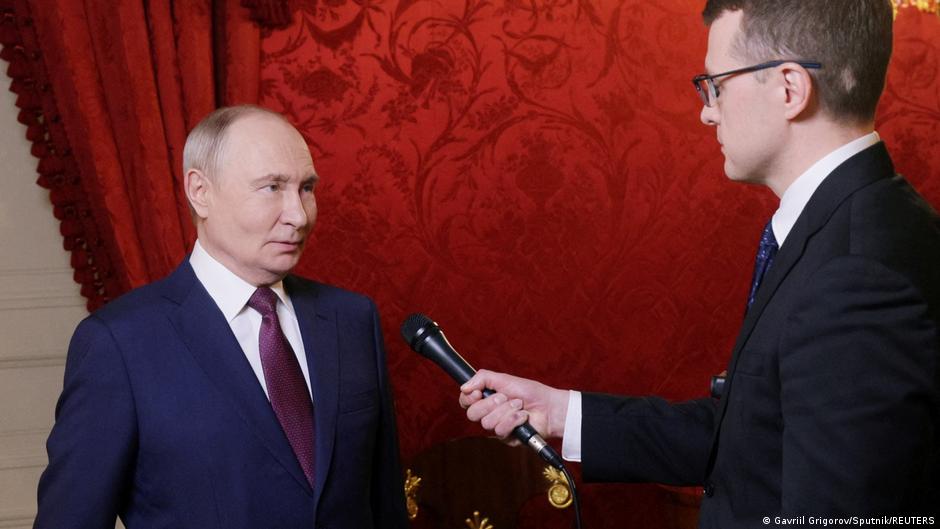
Two days before the October 23 statements, Russian President Vladimir Putin received Steven Witkoff, the US president’s special envoy, in St. Petersburg. Following that meeting, Russian presidential aide Yuri Ushakov said Moscow was prepared to resume trilateral negotiations with the United States and Ukraine.
Investors Await Evidence of Progress
Delegations from Ukraine, Russia and the United States have already held two rounds of closed negotiations in Abu Dhabi. The first took place on January 23-24 and the second on February 4-5. Neither produced a breakthrough toward ending the war in Ukraine.
That record gives investors reason to distinguish renewed contact from measurable progress. A confirmed meeting, clarity on direct negotiations and movement toward a leaders’ summit would provide stronger evidence that the process is advancing. Until then, the proposed talks remain one input among the geopolitical risks affecting market sentiment.
Any eventual progress toward ending the war could have implications across European equities, government and corporate debt, currencies, energy markets and assets exposed to reconstruction. Yet the current reports contain no ceasefire terms, timetable for a settlement or agreed economic measures. For portfolios today, the main development is the possible restoration of a trilateral diplomatic track, accompanied by substantial uncertainty over its structure and outcome.