US Imposes Up to 100% Tariffs on Drone Imports, Impacting Capital Markets and Investors
New US tariffs on drones and components raise concerns over supply chains and investment risks in defense and technology sectors.
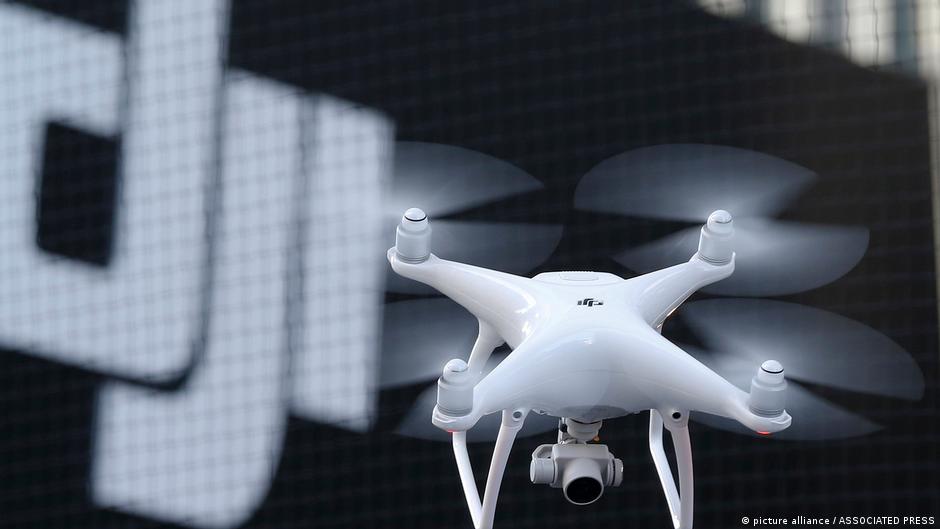
On August 13, President Donald Trump signed a proclamation imposing tariffs on imported drones and their components, marking a significant development in US trade and national security policy. This move has immediate implications for capital markets, particularly in equities and bonds tied to defense technology and drone manufacturing sectors.
Tariff Structure and Market Implications
The tariffs include a 100% duty on drones with a maximum takeoff weight exceeding 25 kilograms equipped with thermal imaging systems, as well as on docking stations and critical components deemed vital for national security. Smaller drones weighing 25 kilograms or less will face a 25% tariff. Notably, imports from the European Union, Japan, South Korea, Switzerland, Taiwan, and Liechtenstein will be subject to a reduced tariff of 15%, while those from the United Kingdom will face a 10% tariff.
These tariffs come into effect 21 days after the proclamation was signed, with less critical drone components facing a 180-day lead time before tariffs apply. This phased approach allows companies some time to adjust supply chains.
"Drones are key technologies in modern armed conflicts and vital for current and future US military operations," the White House stated. "Dependence on foreign suppliers for critical components presents significant national security and cybersecurity vulnerabilities, necessitating rapid domestic production expansion."
Capital Market Reactions and Investor Considerations
Investors should closely monitor the defense and technology sectors for potential supply disruptions and cost pressures resulting from these tariffs. Companies heavily reliant on Chinese-made drone components or those with complex global supply chains may face shrinking margins and operational challenges.
Moreover, bond markets related to aerospace and defense companies could experience volatility as investors reassess credit risks amid rising input costs and uncertain trade conditions. Equities of US-based manufacturers poised to benefit from increased domestic production might see positive investor sentiment, while those dependent on imports face headwinds.
The tariffs also reflect broader geopolitical concerns, with China’s dominance in the drone industry highlighted by recent reports of Chinese components being linked to data leaks and indirect drone exports to Russia through third countries. These factors contribute to heightened market sensitivity regarding supply chain security.
Strategically, investors may consider diversifying portfolios toward companies advancing domestic drone manufacturing or those in allied countries facing lower tariff rates. The evolving trade landscape underscores the importance of evaluating geopolitical risks in capital allocation decisions.