US Imposes 50% Tariffs on Canadian Goods, Impacting Capital Markets and Investor Sentiment
New US tariffs on Canadian imports covering $20 billion target sectors from wine to cement, triggering market uncertainties and trade tensions.
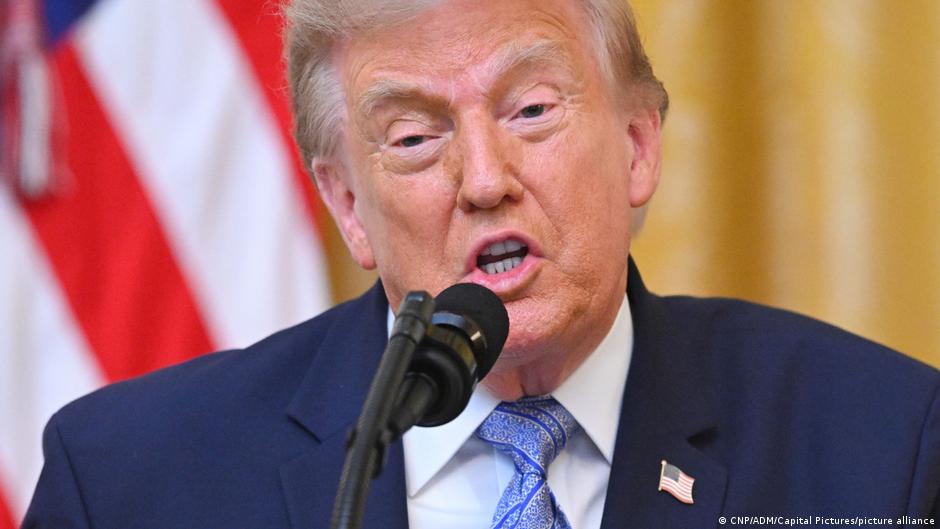
On July 20, the President of the United States signed executive orders imposing new 50% tariffs on a broad range of Canadian products, citing discriminatory trade practices against American alcoholic beverages, automobiles, and dairy goods. The tariffs, effective from August 19, cover categories including wine, hockey sticks, and cement, affecting imports valued at approximately $20 billion.
Market Reactions and Trade Tensions
This escalation marks a significant shift as these tariffs penetrate goods governed under the U.S.-Mexico-Canada Agreement (USMCA), raising concerns among investors about the stability of North American trade relations. The tariffs exclude energy products, potash, and goods already under sector-specific duties but notably disrupt key supply chains and cross-border commerce.
"Canada removed American alcoholic beverages from its shelves, expanded EU dairy access, and restricted American auto exports, prompting these tariffs," stated U.S. Trade Representative Jamison Greer.
Investors are weighing the implications of this tit-for-tat trade confrontation. Canadian Prime Minister Justin Trudeau’s government has indicated readiness to intensify negotiations and proposed dispute resolutions to modernize the USMCA, while condemning the U.S. actions as unilateral violations of the trilateral agreement. The diplomatic strain is reflected in market volatility, particularly in equities sensitive to trade policy shifts and bond yields affected by increased risk premiums.
Sectoral Impact and Investor Outlook
The tariffs disproportionately impact sectors such as automotive manufacturing, agriculture, and manufacturing supplies, which are integral to both economies. U.S. automakers may face retaliatory measures or supply disruptions, influencing stock valuations negatively. Similarly, the agricultural sector anticipates pressure from retaliatory tariffs, which could dampen export earnings and affect commodity prices.
Financial markets are responding with cautious sentiment amid fears of escalating protectionism. Equity markets in both countries have shown signs of sensitivity, with Canadian stocks in affected industries experiencing downward pressure. Bond markets reflect increased risk, with spreads widening on Canadian government and corporate debt as investors reassess the trade outlook.
Additional tensions arise from U.S. threats to revoke certification for Canadian aircraft, notably Bombardier models, citing certification refusals for American Gulfstream jets, intensifying investor concerns about the aerospace sector's cross-border dynamics.
Overall, the introduction of steep tariffs threatens to unsettle the North American economic integration, with investors closely monitoring future developments. These measures underscore the fragility of trade agreements under political pressures and prompt a reassessment of risk in portfolios exposed to the bilateral trade corridor.